Before you invest
Energy audit and solar feasibility
The most expensive mistakes in solar projects happen before installation: a system bigger than consumption, smaller than needed, or fitted on a roof that will need repair soon after. An energy audit and feasibility study prevents them because it starts from your site’s real numbers, not from roof area.
A good study answers one question honestly: is solar the right step for you now, and at what size? Sometimes the answer is to start with something else. Send one request and receive quotes from qualified installers who offer audits and feasibility studies.
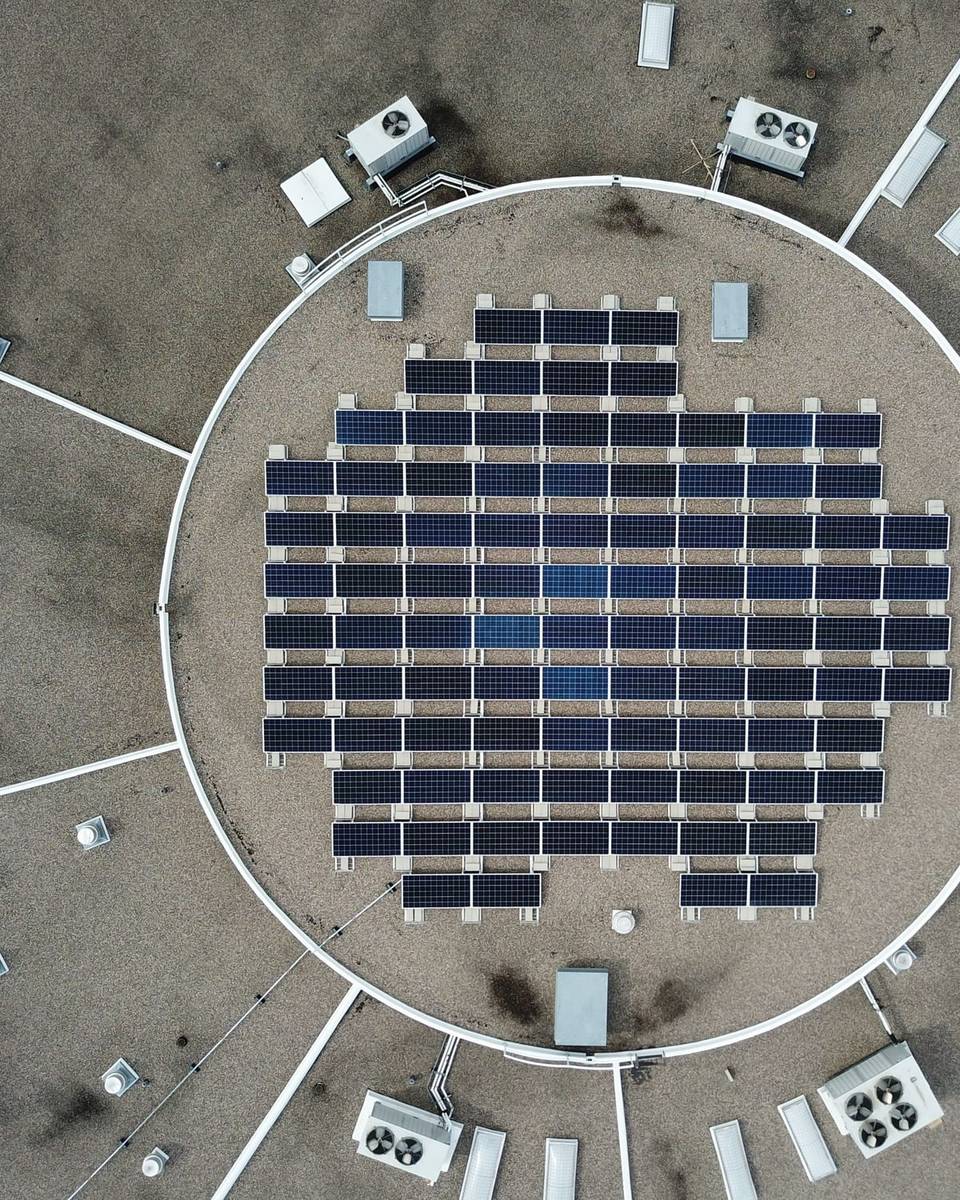
How an audit and feasibility study works
The study brings together three things: when and how much electricity the site uses, where panels can go and how much a system would produce at that location. Comparing them shows what size gets used on site, what would be exported and what stays on the grid.
Some installers include a preliminary study in their quote; others offer it as a separate service, especially for large projects. Either way, ask for it in writing so it can be checked.
Who an audit suits
Medium and large sites
Factories, warehouses, hotels and shopping centres, where the project is large and a sizing mistake is costly.
Sites on diesel generators
Farms and remote sites, where the study compares diesel use and running hours. See off-grid and hybrid systems.
May not need a detailed study
Small homes with modest consumption. The solar calculator and a simple survey as part of the quote are usually enough.
What a good feasibility report contains
Consumption summary
Monthly use across the year, the load profile, peak demand and subscription type.
Available space
Roof, land or car parks, with shading and structural condition.
Proposed size
Capacity in kWp and why that size, with a smaller and a larger alternative for comparison.
Expected production
A monthly estimate with the assumptions used: sun hours, heat and dust losses, and panel degradation.
Self-consumption and export
How much output the site will use, how much will be exported and at which official tariff.
Cost and return
Project and maintenance cost, expected savings, and how sensitive the results are to changed assumptions.
Risks and alternatives
What could change the outcome, whether efficiency steps come first and whether batteries are needed.
If a report gives you a savings figure without showing its assumptions, ask for the details. A report you can’t check is one you can’t rely on.
Reading 12 months of bills and loads
One month’s bill is not enough. In Saudi Arabia consumption swings a lot between summer and winter because of cooling, so the study starts with at least 12 months of bills, extracting monthly kWh, subscription type and capacity, and any demand-related charges.
Next comes the load profile: how consumption spreads across the day. A site using most of its power from morning to mid-afternoon is completely different from one running at night on the same bill. Short-interval meter data is best; otherwise the profile is estimated from operating hours and an inventory of major equipment.
The study also looks at peak demand: the highest load drawn at any moment, such as several machines or AC units starting together. Solar does not always lower that peak, especially if it falls after sunset, and that changes the sums.
Efficiency first: when solar isn’t the first step
The cheapest kilowatt-hour is the one you don’t use. In many sites, simple steps cut the bill before any panels: servicing AC units and setting sensible temperatures and schedules, replacing old lighting with LED, insulating roofs and doors in cold stores, and switching off unnecessary night-time loads.
An honest study tells you if those steps come first, because using less now means a smaller, cheaper system later. It also tells you if solar doesn’t suit you yet: a roof that needs repair, a building you will leave soon, or a very low bill — especially in homes, where residential electricity is relatively cheap.
The roof and site survey
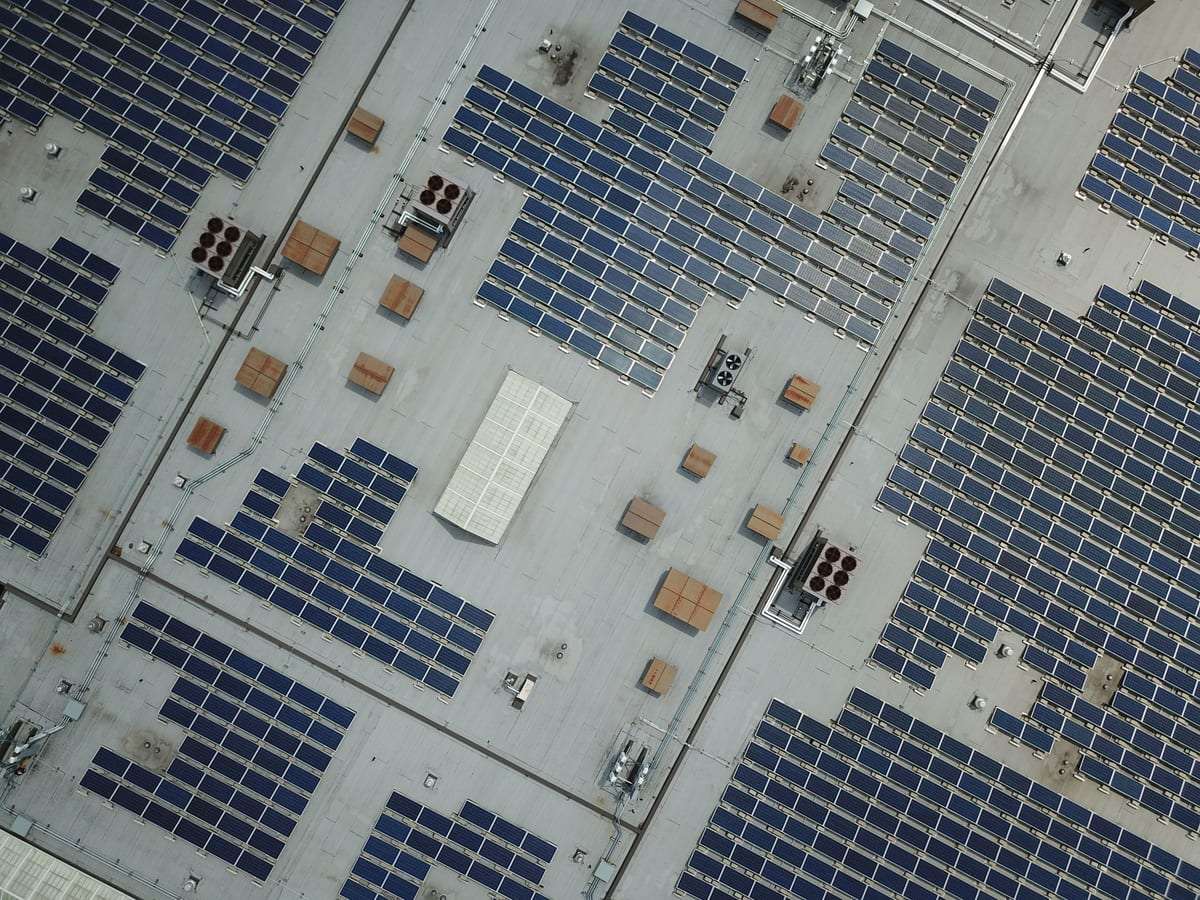
Numbers alone aren’t enough. The survey measures the space that is actually usable after AC units, tanks and maintenance paths, maps shading across the day and the seasons, and checks the roof’s condition and remaining life.
The main switchboard and subscription capacity are checked too, because they set the size that can be connected. Where the site has large car parks or spare land, those are studied as alternatives.
The study and the regulatory framework
The study must respect the grid-connection framework: allowed size limits, the published export tariff and approved-equipment requirements. A system sized beyond the limits, or sums based on an assumed tariff, make the whole report unreliable. Details on grid-connected solar.
Heat and dust in production estimates
A realistic report accounts for high temperatures lowering panel efficiency and dust building up between cleanings. If it assumes permanently clean panels and mild temperatures, it will overstate production. Read our dust, heat and cleaning guide.
Typical study steps
- 1. Data collection
12 months of bills, operating hours, a list of major equipment and any meter data.
- 2. Survey
A site visit to measure the roof and shading and review the switchboard.
- 3. Analysis
Comparing consumption with expected production for several system sizes.
- 4. Report and discussion
A written report with a clear recommendation, then a discussion of questions and alternatives.
The report and warranties
The study itself carries no warranty, but it helps you compare warranties later. Ask for the report to state the assumed equipment class and its warranties, so quotes can be compared on the same basis. More in our warranties and maintenance guide.
What affects the cost of a study?
- Site size
Number of buildings and roofs, and the site area.
- Available data
Whether load data exists or metering equipment must be installed for a period.
- Depth of study
A preliminary study or a detailed report with structural and power-quality checks.
Some installers deduct the study fee if they deliver the project. Ask in advance, and read solar costs.
Financing in the feasibility report
A good report compares payment routes in general: outright purchase, financing, or pay-for-power models. We don’t recommend lenders or quote rates, but ask for the report to show how each option affects the return.
Questions to ask about the study
- What data did you use?
How many months of bills, and real load data or estimates?
- What production assumptions?
Sun hours, losses, cleaning and degradation over the years.
- Why this size?
And what happens if the system is smaller or larger?
- Are there efficiency steps first?
And how would they change the system size?
- Who prepared the study?
Ask about the engineer’s and company’s qualifications, and check them yourself.
Feasibility studies: common questions
Is the study free?
It varies. Some installers include a preliminary study in the quote; detailed studies for large projects are often paid. Ask before starting.
What should I prepare?
12 months of bills, operating hours, building drawings if available and a list of major equipment. Read how to size a system from your bill.
Can a study conclude that solar doesn’t suit me?
Yes — and that is a sign of an honest study. Sometimes efficiency steps or roof repair come first.
Is the calculator enough instead of a study?
The calculator gives a quick first estimate. For large sites it doesn’t replace a study based on real loads and a survey.
Does a diesel-powered farm need a study?
Yes, it matters there: well depth, water volume and generator running hours. See solar water pumps.
Does SaudiSolar carry out the study?
No. We only compare offers. With your consent we pass your request to qualified installers who provide the study and the project.
Get your consumption studied before you decide
One request with your type of site, city and approximate bill brings quotes from qualified installers. Free, no obligation.