For schools and universities
Solar power for schools and universities
A school runs by day: cooling, lighting, classroom equipment and labs all operate during school hours — the same hours the panels produce. That makes schools a logical case for solar, with one point to weigh honestly: the summer holiday falls in the sunniest months of the year.
This page is mainly for private and international schools, colleges and universities that make their own decisions. Send one request with your type of institution, city and bills, and with your consent we pass it to qualified solar installers.
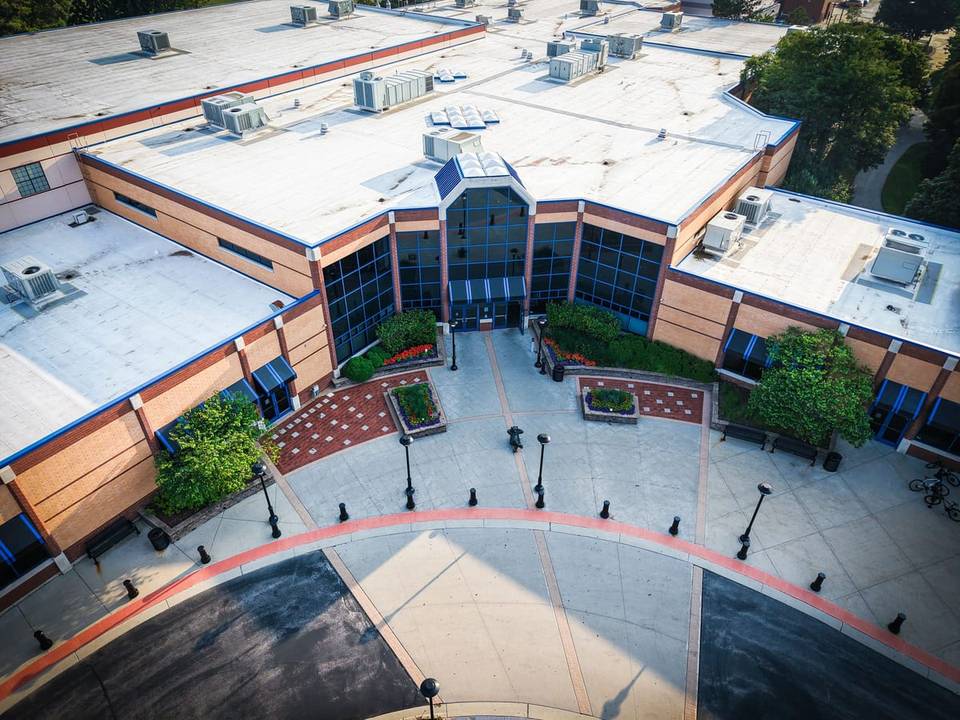
Energy profile: daytime hours, long holidays
On school days most consumption falls between morning and early afternoon: cooling for classrooms and halls, lighting, labs and computers, and sometimes the canteen and sports hall. There is almost no night load, so solar power is used in the building as it is produced.
The catch is the holidays: summer, weekends and shorter breaks. Production stays high while consumption drops, so surplus is exported to the grid and credited under net billing. That is why a school system is usually sized to term-time demand, not larger. Universities and schools with summer programmes or student housing have a stronger case, because consumption continues all year.
Roofs, courtyards and safety
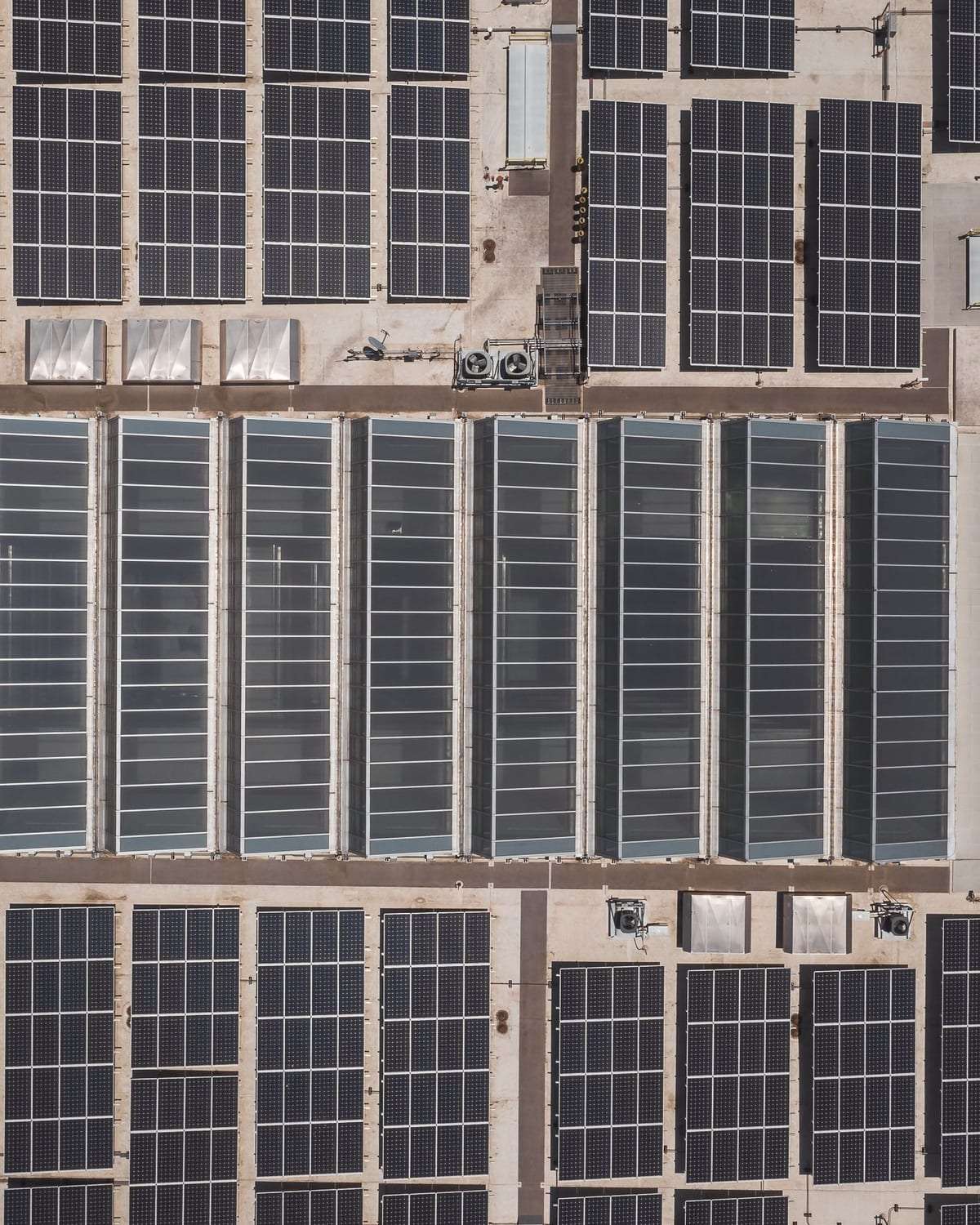
School buildings usually have flat concrete roofs across several adjoining blocks, which suits ballasted frames. Check the waterproofing and any tanks or AC units that cast shade, and make sure the panels don’t add load the roof can’t carry.
Safety first: students must not be able to reach the roof, inverters or cables. Ask for inverters and switchboards in locked rooms or cages and cables in protected routes. Electrical work and connection are for a licensed electrical contractor only, and installation is best done during the holidays.
Leases: many private schools operate in rented buildings. The owner’s written consent and the remaining lease term decide whether the project makes sense.
Courtyard and parking shades
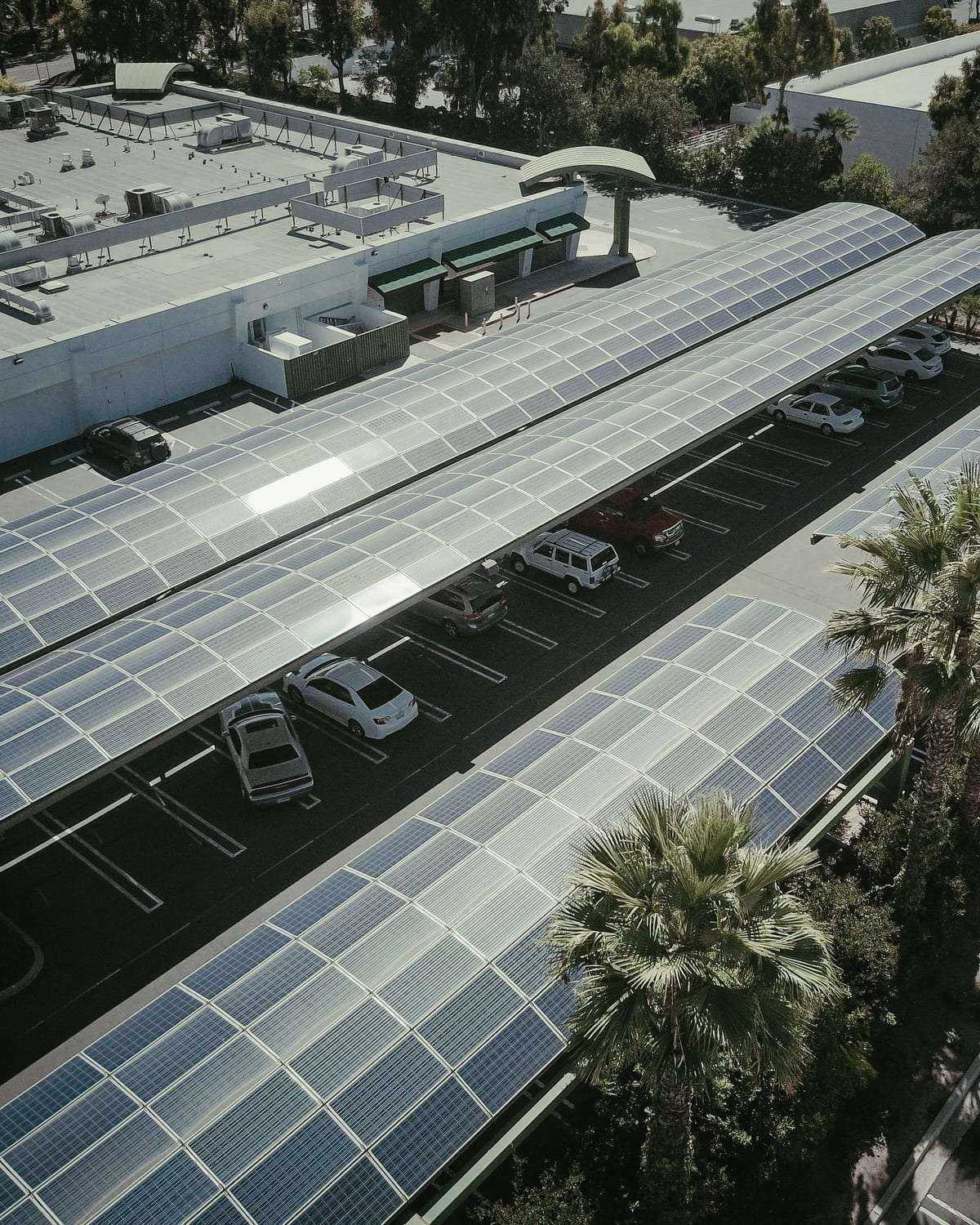
Most schools in the Kingdom need shade over the assembly yard, parent waiting areas and staff parking. Instead of an ordinary shade, the structure itself can be a solar canopy that produces electricity. It costs more than a fabric shade and needs a structural design, a safe height and protection for columns and cables from students, but it meets two needs at once. Read our guide to carports for businesses.
Does a school need batteries?
Usually not. A school doesn’t operate at night and the goal is a lower bill, so a grid-connected system without batteries is the normal choice. A small battery for the server room or alarm systems may help in specific cases, and any battery in a building with children must sit in a locked, ventilated space in line with safety requirements.
More important than batteries at a school is safety during the installation itself: ask for roof work to be done in the holidays or outside school hours, for the stairs and access routes to the roof to be locked off from students, and for cables across yards and corridors to be protected. These points belong in the offer and the schedule from the start.
What to include in your quote request
- A full 12 months of bills, so the holiday months show clearly.
- The school calendar and hours, plus any summer programmes, evening activities or housing.
- Number of buildings and roof drawings with their age, and the yards and parking that need shade.
- A single-line diagram if available, and whether each building has its own meter.
- Building status: owned or leased, and the lease term.
Try the solar calculator for a first estimate, and read about cost factors and our grid-connection guide. Check that the installer is qualified for connection and that the equipment is on the approved lists.
Related services
Solar for schools: common questions
What happens to the power produced over the summer holiday?
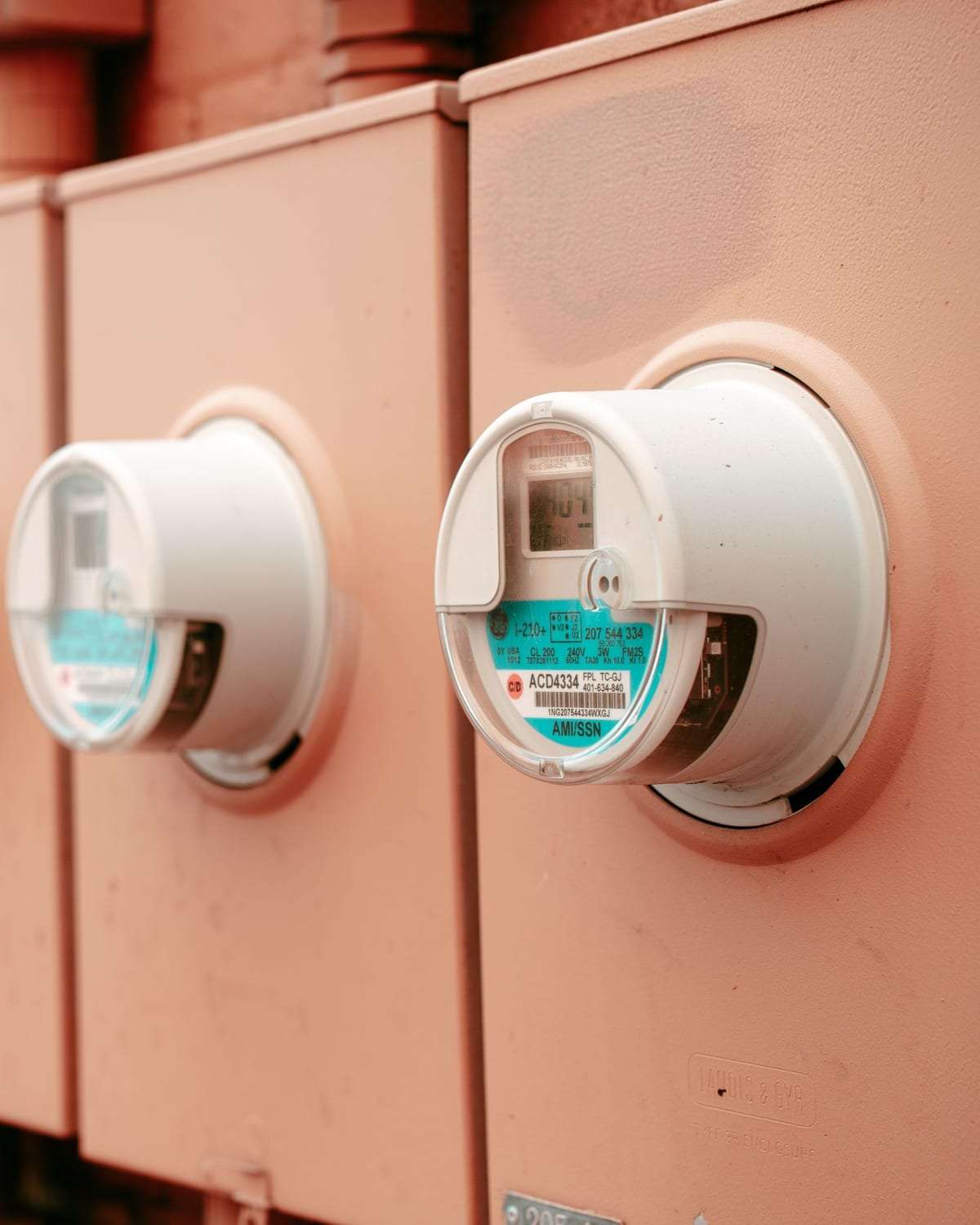
It is exported to the grid through the bidirectional meter and credited under the regulatory framework. That is why sizing the system on summer production isn’t advisable.
Is a solar system safe at a school?
Yes, if designed properly: a roof closed to students, inverters in a locked space, protected cabling and installation by a qualified installer.
Can we use it for teaching?
Many schools show production data from the monitoring system on a screen at the entrance or use it in science lessons. Ask installers whether that is possible.
Can public schools request quotes through you?
Public schools follow the procedures of the competent authorities for projects and procurement, so the service suits private schools, colleges and universities better.
Helpful guides
By business type
Available in these cities
Request solar quotes for your school
Send your type of school or university, city and approximate bill, and qualified solar installers will send quotes. Free, no obligation.