What “grid-connected” means in practice
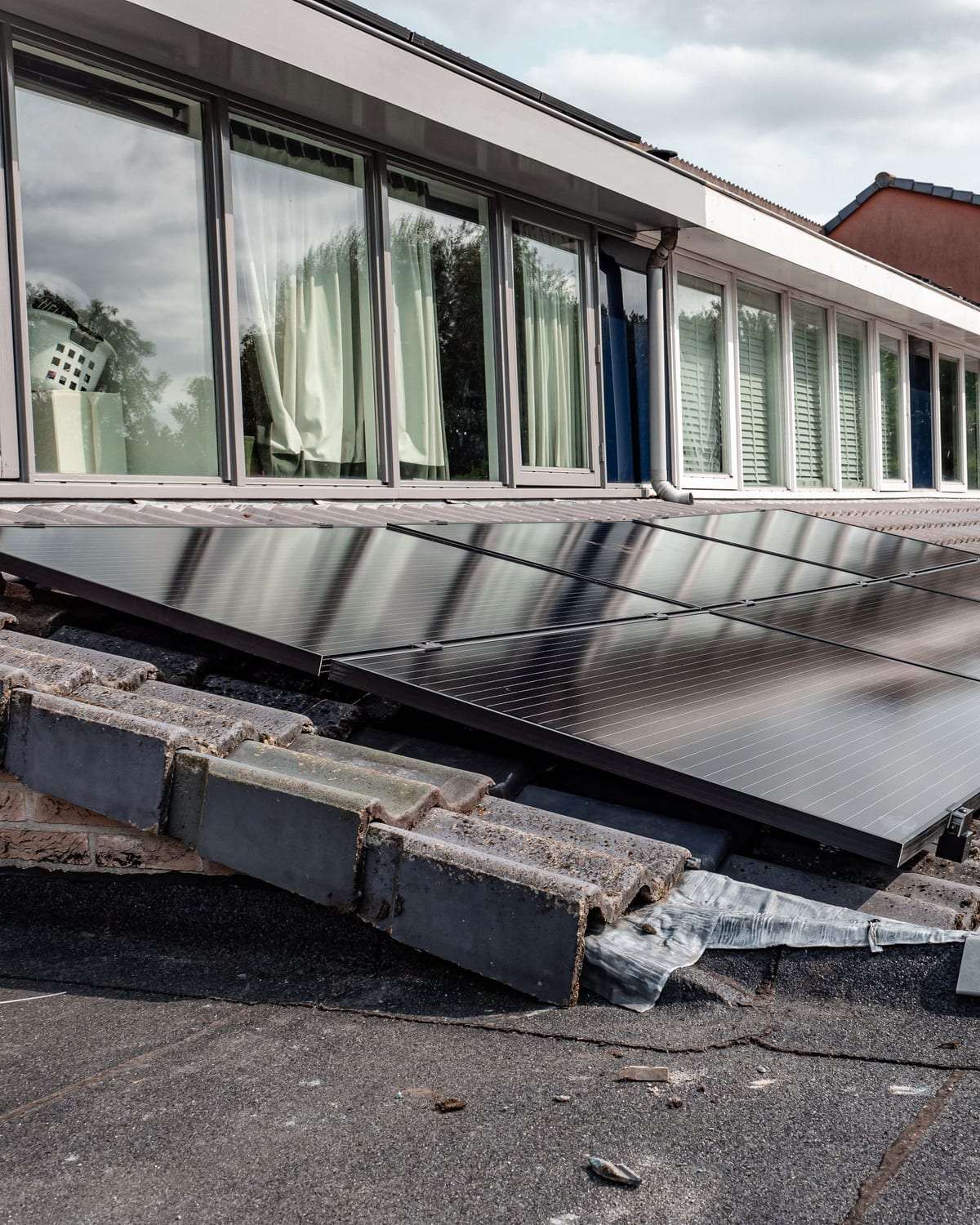
In a grid-connected system, the inverter converts the panels’ output into alternating current synchronised with the grid and feeds the building’s switchboard. Loads draw from the panels first; when consumption is higher than production, the grid makes up the difference automatically. When production exceeds consumption — a Friday noon at a closed warehouse, for example — the surplus goes out to the grid.
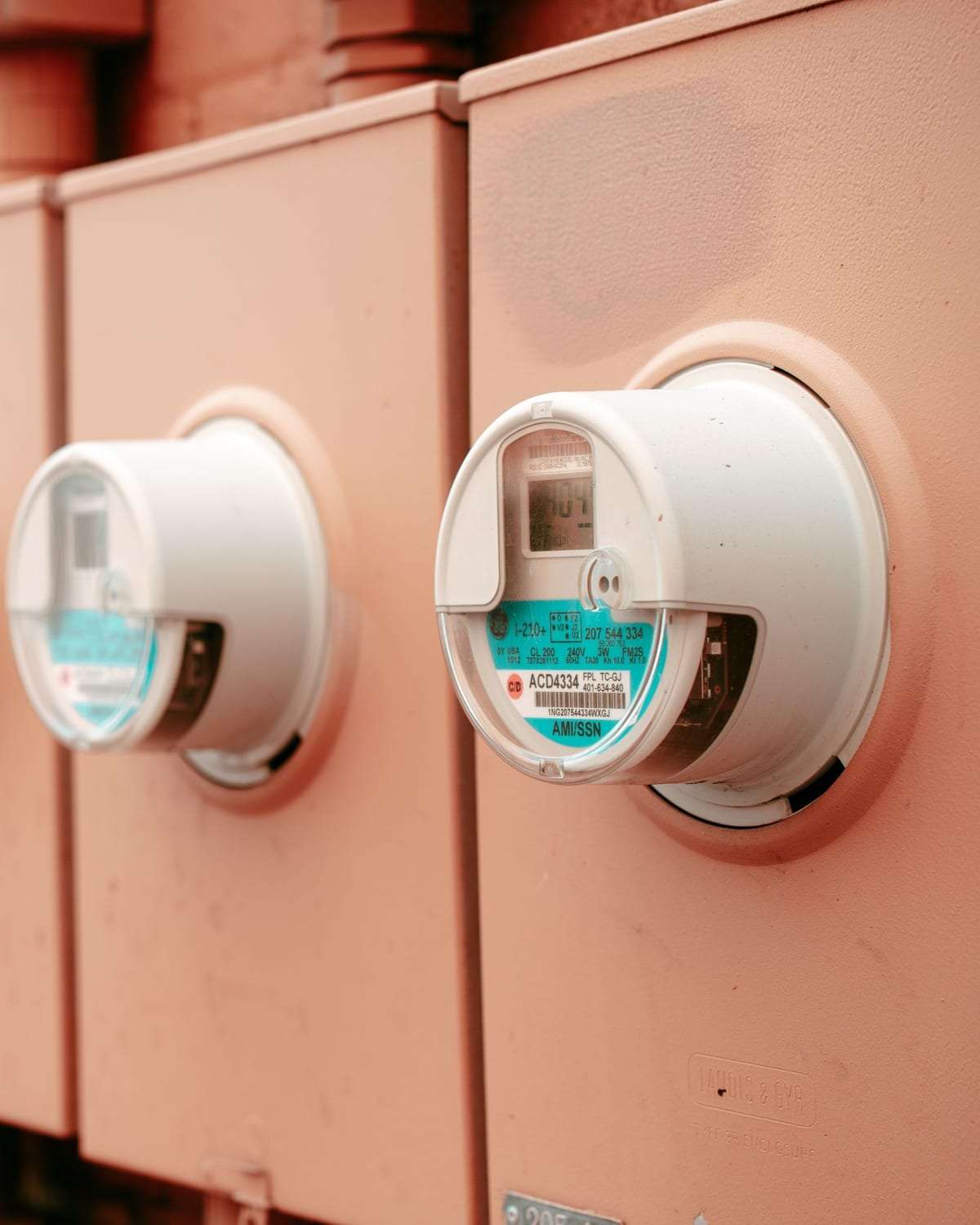
That is why the ordinary meter is replaced with a bidirectional meter that records what you import and export, with surplus credited under the applicable regulatory framework. Note that a grid-connected system normally shuts down during an outage to protect grid technicians, so it is not a backup source unless designed as a hybrid with batteries. To compare system types, read our guide to off-grid, hybrid and grid-connected systems.
Who is involved, and who does what
The overall framework is set by the electricity sector regulator through a regulation for small-scale solar systems connected to the distribution grid. It defines who may connect, the size limits, how surplus is credited and the requirements for equipment and installers.
Day-to-day execution runs through the Saudi Electricity Company: the application, technical review of the design, inspection after installation and fitting the bidirectional meter. Between you and these bodies sits the installer, who in practice handles most of the procedure on your behalf — provided they are qualified and registered for this type of work. So the first question for any installer is: are you qualified to install and connect grid-tied systems? Ask for proof and check it yourself.
Before you apply: check these first
Start with the subscription itself. The regulation links the allowed system size to the type and capacity of your subscription, so don’t design a system around roof area alone and then discover it exceeds the limit. Ask the installer to review your subscription details and bill before designing, and to size the system on your actual consumption. Our guide on sizing a system from your electricity bill explains this step.
Second, ownership. If the building is leased — a warehouse in an industrial city or a unit in a commercial complex — you will usually need the owner’s written consent before installing and connecting. Third, the building: some projects need municipal or structural approvals, particularly carports and large rooftop systems, and civil defence may have requirements for certain facilities. Raise this with the installer early rather than discovering it halfway through.
The connection steps in general
Details vary with size and subscription type, but most projects go through these stages:
- 1. Survey and design
The installer studies the bills, roof and switchboard and prepares a design with the proposed equipment.
- 2. Application
The application goes to the Saudi Electricity Company with the required documents and technical design, usually submitted by the installer.
- 3. Technical review
The design and equipment conformity are reviewed, and changes may be requested before approval.
- 4. Installation
After approval, a qualified team installs the system according to the approved design.
- 5. Inspection, meter and commissioning
The installation is inspected, the bidirectional meter is fitted and the system is officially switched on.
Don’t start installing before the design is approved, even if the installer is in a hurry. A system installed before approval may need costly changes or face a delayed start-up.
Equipment and safety: why approval matters
A grid-connected system interacts with a public network that technicians work on, so the inverter in particular must be from an approved class and meet the connection requirements: it synchronises with the grid, disconnects automatically when the grid goes down and protects against voltage and frequency swings. The same applies to panels, breakers and cables. A panel being “powerful” is not enough; it must be on the accepted equipment list with valid conformity certificates.
Most importantly, electrical work and grid connection are not a trial-and-error or do-it-yourself project. DC from the panels is dangerous even in daylight with the system isolated from the grid, and a wrong connection at the main switchboard can start a fire or endanger grid technicians. This is work for a licensed electrical contractor and qualified engineers only — and ask for the final as-built drawings at handover.
What happens to surplus power, and how it shows on the bill
In most commercial buildings with high daytime consumption, nearly all the electricity produced is used in the building and little is left over. In homes and buildings that are empty during the day, surplus can be significant on some days. It is recorded by the bidirectional meter and credited through a mechanism set out in the regulation.
Our advice as engineers: don’t build your business case on exporting surplus. The value of a kilowatt-hour you use yourself is usually clearer than the value of one you export, and the mechanism and tariff can change over time. Size the system to cover a realistic share of your daytime use, and ask the installer to state in the quote how much they expect to be used on site and how much exported, and on what basis.
Larger systems and common causes of delay
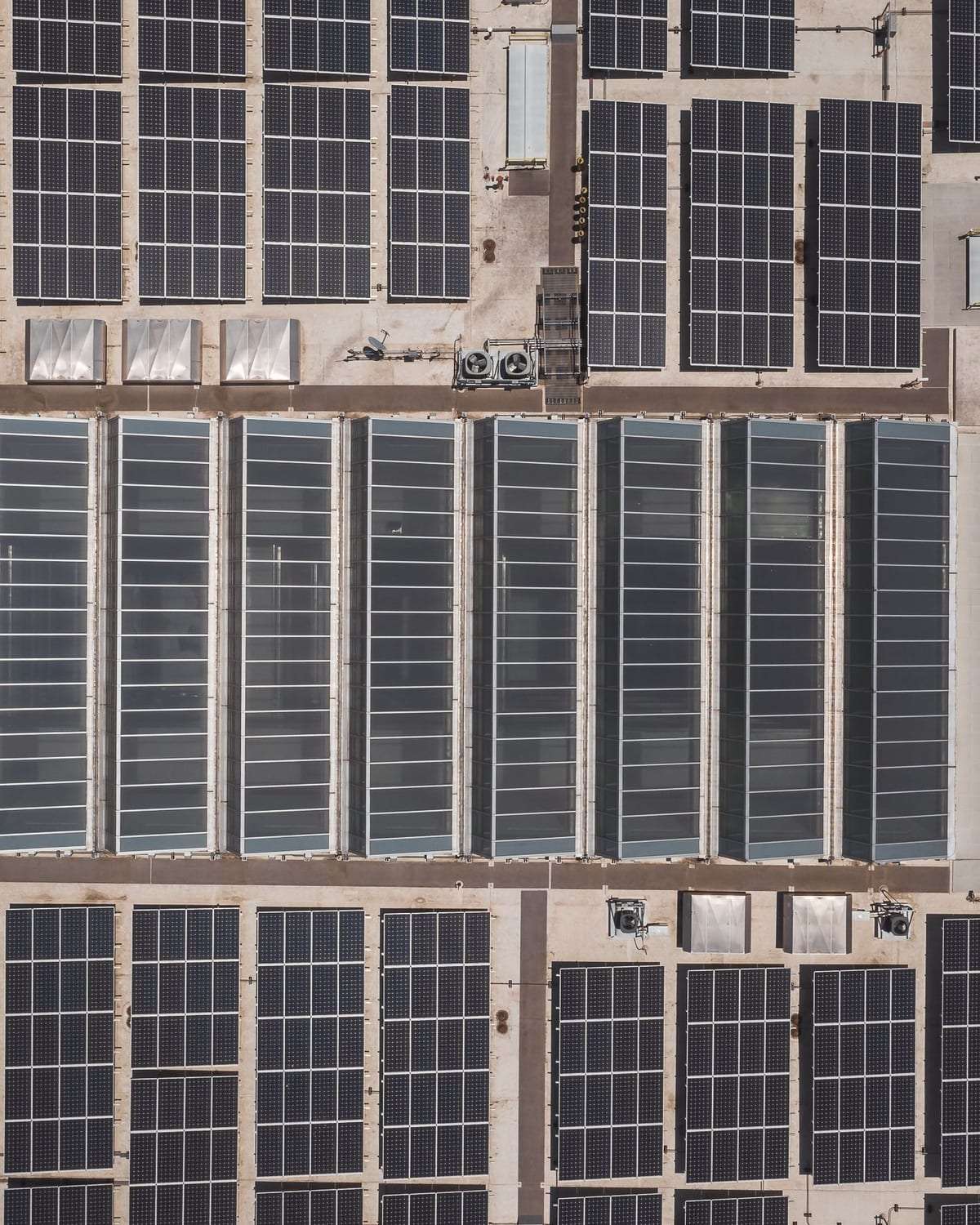
Some large factories need systems beyond the small-scale range, and then the regulatory and licensing route is different. If your facility is one of them, request industrial solar from installers with experience of that specific route, and don’t assume the procedure is the same.
The delays we see most often: missing documents, a design using equipment off the approved list, a system larger than the subscription allows, an old switchboard that needs upgrading, or an owner’s consent that wasn’t prepared. Most can be avoided before the project starts if you ask the installer for a written schedule showing who handles each step. When comparing offers, read how to compare solar quotes.
FAQ
Can I submit the connection application myself?
Applications go through the Saudi Electricity Company, but in practice the installer handles them because they need a technical design and equipment documents. Stay informed at every step and keep copies of the documents.
How long does the connection process take?
It depends on size, complete documentation and the reviews required, so we don’t state a fixed duration. Ask the installer for a realistic written schedule, and be wary of promises of very short timelines.
Will my panels work during a power cut?
A grid-connected system without batteries normally shuts down during an outage for safety reasons. If you want backup power, ask about a hybrid system with batteries.
Can any panel or inverter be connected to the grid?
No. Equipment must be accepted and meet the connection requirements. Ask the installer to prove this for every item in the quote.
Does SaudiSolar handle the connection procedure?
No. We only compare offers and, with your consent, pass your request to qualified installers. The installer you choose carries out the installation and handles the connection procedure.
This guide is general information, not technical, financial or legal advice. Rules, tariffs and requirements can change — always confirm with the competent official bodies and a qualified solar installer before deciding. Electrical work and grid connection must be done by licensed professionals only.