For factories and industry
Industrial and ground-mounted solar
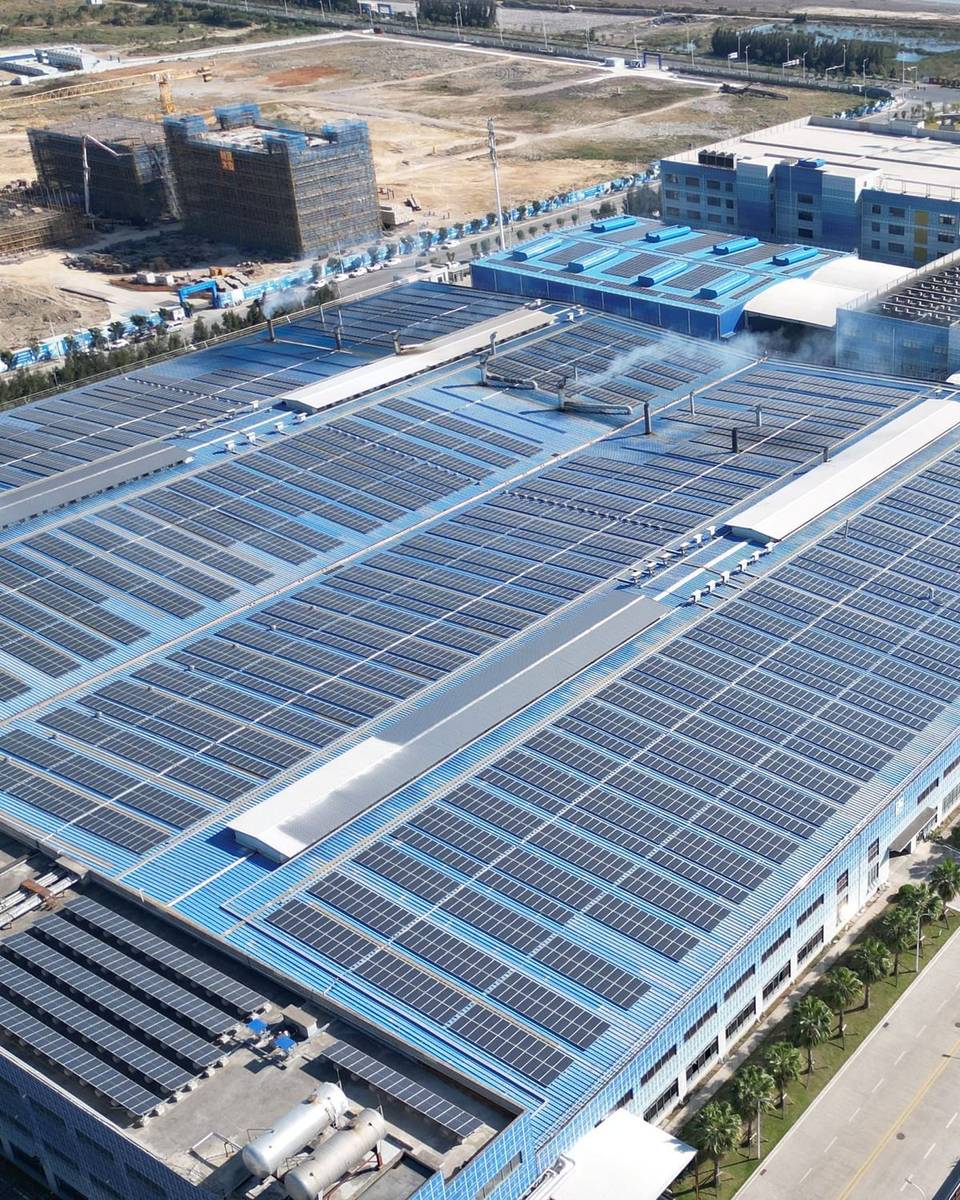
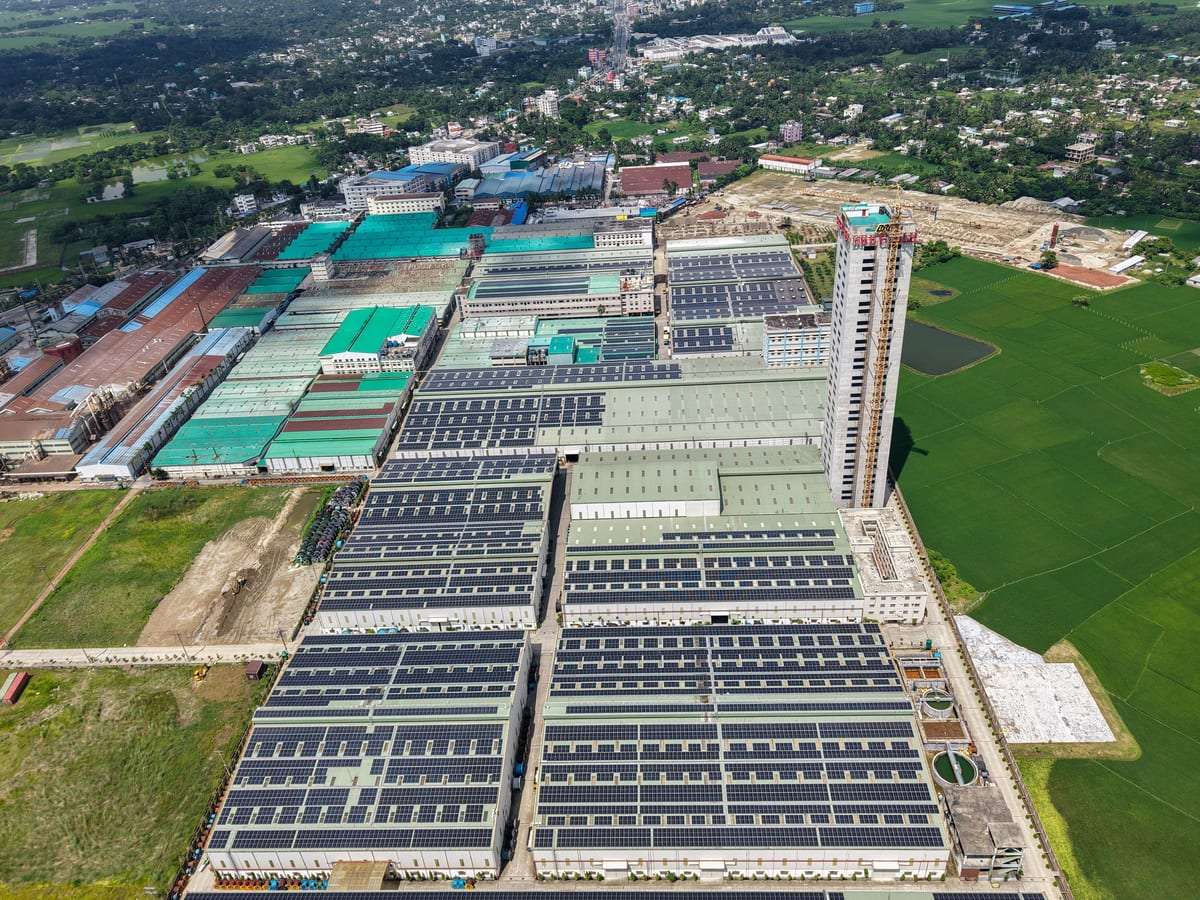
A factory uses a lot of electricity: production lines, compressors, cooling and air-conditioned storage. It also tends to have what other buildings lack — a large metal roof, or open land inside the fence that could take a ground-mounted plant.
But an industrial system is not a scaled-up villa system. Its size, how it connects and how it affects power quality inside the plant all need proper engineering. Send one request with your type of operation, location and approximate consumption, and qualified installers with large-project experience send you quotes.
How a solar system works in a factory
The principle is the same: panels produce direct current (DC), and inverters convert it to alternating current (AC) that enters the distribution boards and feeds the loads. The difference is scale. A factory usually needs several inverters or inverter stations, and a connection at low or medium voltage depending on the subscription and existing transformers.
Solar power is used inside the plant first, reducing what you draw from the grid during the day. Where the big loads run in daytime, most of the output is self-consumed, which makes the case clearer than for most building types.
Who it suits — and who it may not
The clearest cases are not necessarily the biggest factories but those whose consumption lines up with the sun:
Usually a good fit
Factories running one or two day shifts, food, packaging and plastics plants, and cold warehouses whose load peaks in the midday heat. A large roof or spare land strengthens the case.
Needs a closer look
Plants running 24 hours on a steady load. Solar covers part of the daylight hours only, and night-time use stays on the grid. Battery storage is possible but needs careful sums because it adds a lot of cost.
May not pay off yet
Factories in buildings on short leases, sites about to move or expand, or roofs due for replacement. Start with an energy audit and feasibility study before committing.
Industrial system components in general
Solar panels
High-power, usually monocrystalline modules, sometimes bifacial on ground-mounted plants. What matters is an approved class, heat tolerance and the warranty — not the brand.
Inverters
Multiple string inverters or central inverters on large projects, housed in ventilated rooms or shelters away from process dust and heat.
Structures
Dedicated rails and clamps for metal roofs, or galvanised steel ground structures on foundations suited to the soil and wind loads.
Connection and protection
Combiner boxes, breakers, lightning protection, earthing and a step-up transformer if connecting at medium voltage, with protection relays that meet grid requirements.
Monitoring and energy management
A system that tracks production and consumption in real time and can limit or block export where the connection requires it.
Rooftop or ground-mounted?
Many factories have both options. The choice depends on space, structure and expansion plans:
On the metal roof
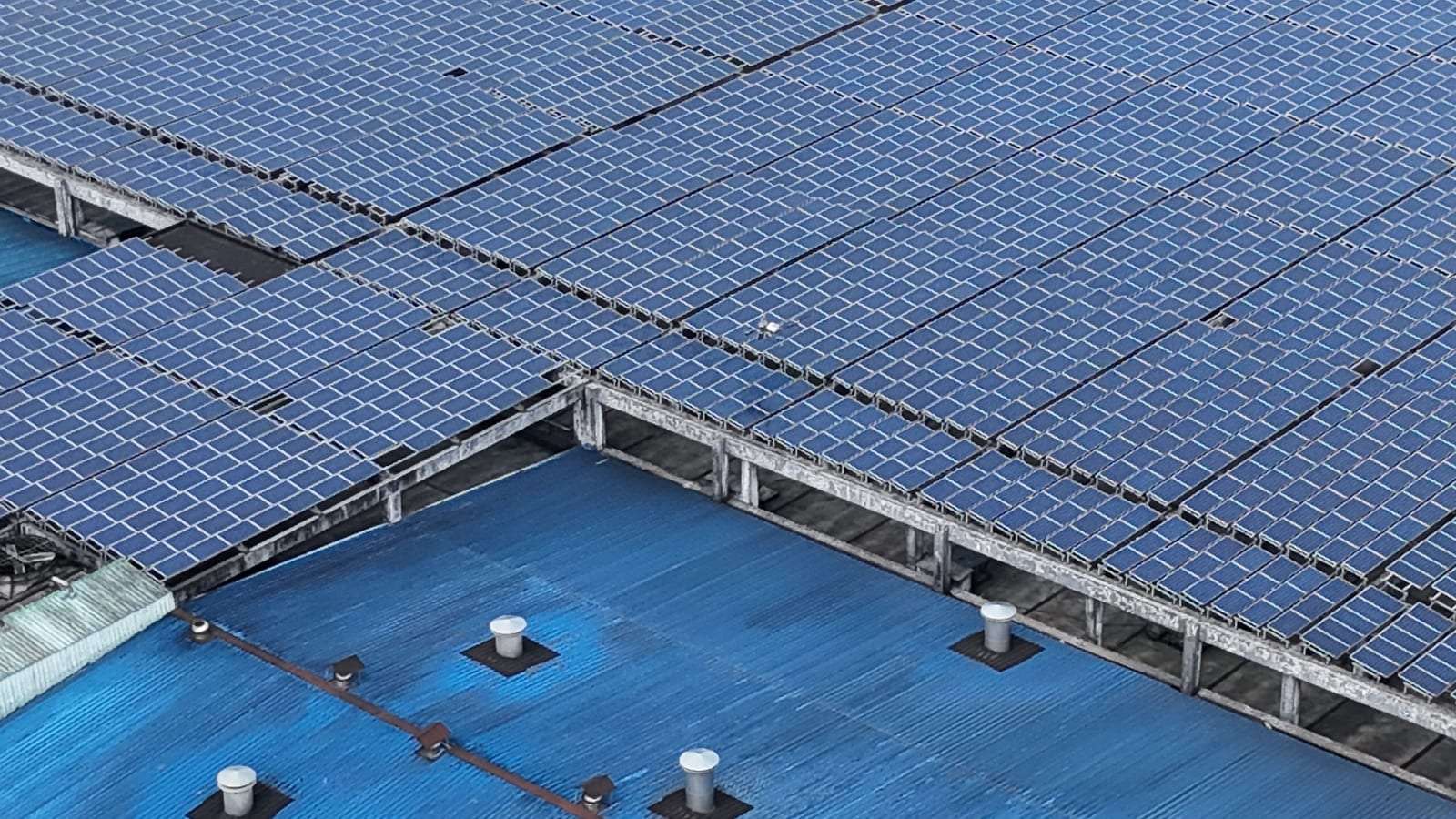
Uses space you already have, takes nothing from the site and reduces heat reaching the production halls. But it is tied to the roof’s remaining life and load capacity, and needs fixings that don’t pierce insulation or cause leaks.
Ground-mounted on site
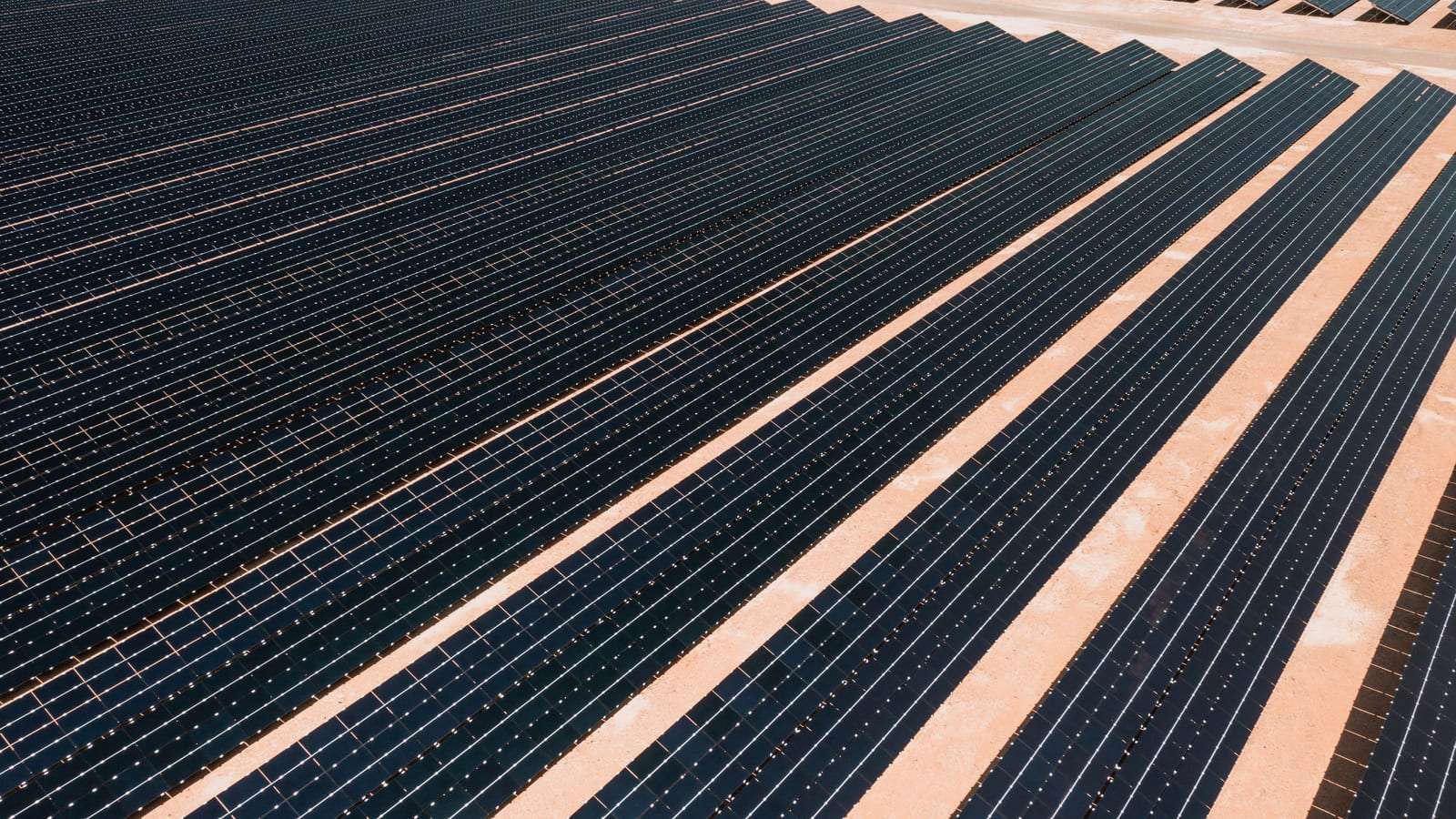
Gives freedom in orientation, tilt and spacing, and makes cleaning and maintenance easier. But it needs level land not earmarked for expansion, foundations, fencing and security, and some projects use sun-tracking systems.
A combination
Some plants start on the roof and later add a ground-mounted array or carports for staff and trucks. What matters is an electrical design that can be extended from day one.
What happens during the engineering survey
It starts with at least 12 months of bills, ideally with meter readings or short-interval load data, because an average bill hides demand peaks and the difference between shifts. The engineer needs to know when each production line runs and when it stops.
Next comes a structural check of the metal roof: sheet type and gauge, trusses, corrosion, past leaks, and whether the structure can carry the panels plus wind loads; for large roofs an independent structural engineer’s report is worth having. For ground-mounted plants, soil, levelling and the cable route are studied.
Finally, power quality is reviewed: transformers and main boards, large motors, power factor and harmonics. A solar system won’t fix existing power-quality problems, and the design must not clash with them.
Grid connection and licensing
Factory systems are usually grid-connected. Systems within the small-scale limits go through an application to the Saudi Electricity Company, a technical review, an inspection and a bidirectional meter, as described on grid-connected solar. Larger systems, or captive generation plants, may follow a different licensing route with extra requirements.
So don’t size the system on roof area alone. Ask the installer which route applies, who handles it and whether the design respects export limits. Electrical work and grid connection must only be carried out by a licensed electrical contractor and qualified engineers.
Heat and dust on industrial sites
On industrial sites, panels collect smoke or process residue on top of desert dust, so output falls faster. Metal roofs also get very hot in summer, so panels need an air gap beneath them.
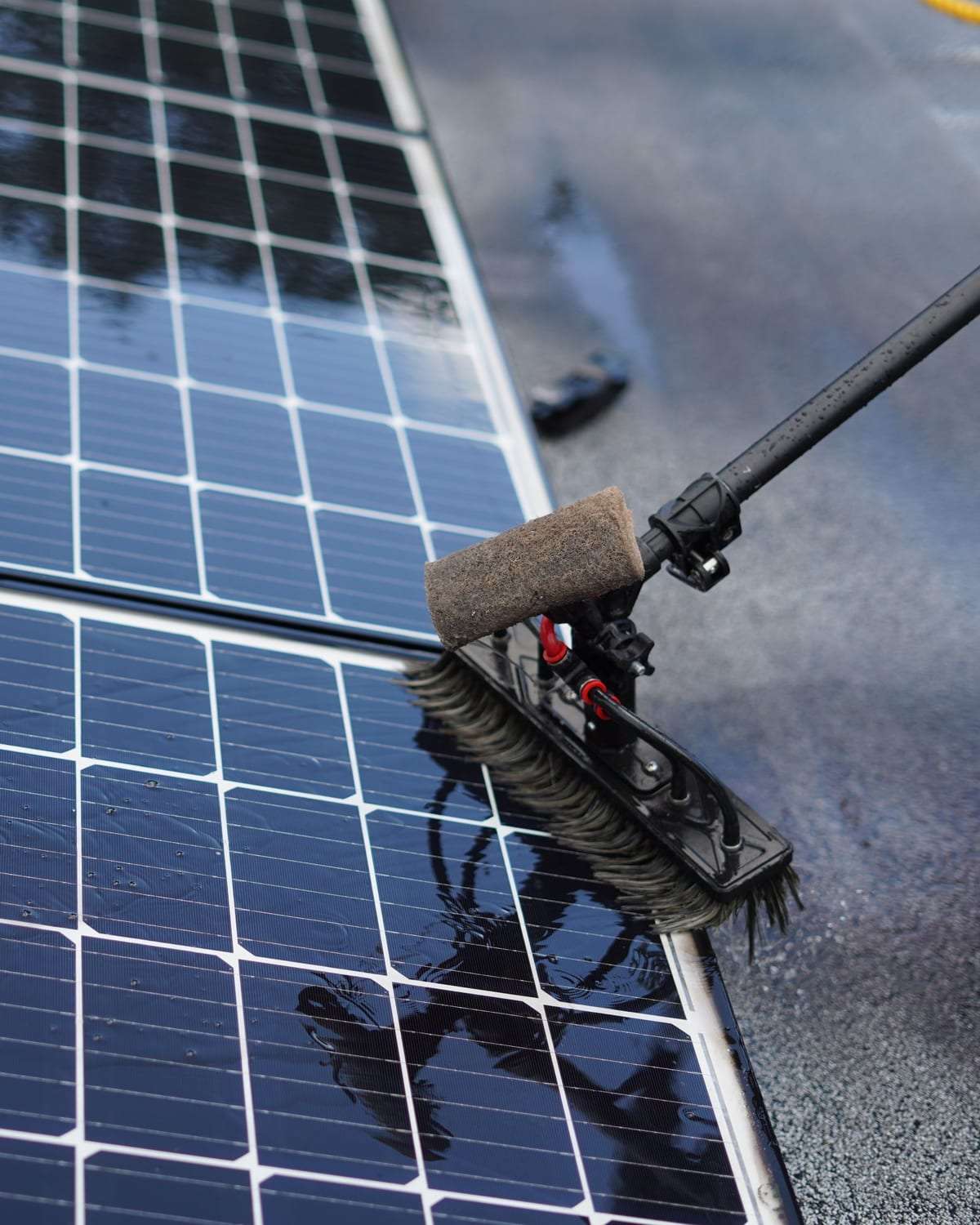
Plan cleaning from the start: safe walkways, water points and a schedule suited to the type of dirt. Read our dust, heat and cleaning guide and the maintenance and cleaning page.
Typical project steps
- 1. Data and request
You send your request with bills and any load data; qualified installers contact you.
- 2. Survey and studies
Roof or land survey, structural check, load and power-quality study.
- 3. Design and quote
A preliminary design with capacity in kWp, expected production, self-consumption share and the licensing route.
- 4. Permits and installation
Connection procedures and permits, then installation in phases that respect production and worker safety.
- 5. Testing and commissioning
Protection and connection tests, inspection, then switch-on, handover of drawings and the maintenance contract.
Warranties on industrial projects
Ask about the product and performance warranties on panels, the inverter warranty and a workmanship warranty that explicitly covers no leaks or damage to the metal roof.
Make sure each warranty is in writing with its length and who gives it, and who pays to remove and refit panels if the roof needs repair. More in our warranties and maintenance guide.
What drives the cost of a factory system?
We don’t publish prices; industrial projects vary too much. The main factors:
- Size and type
Capacity in kWp, and whether it sits on the roof or on the ground.
- Structure and foundations
Roof strengthening if needed, or foundations, levelling and fencing for a ground plant.
- Electrical connection
Voltage level, transformers, distance to the connection point and required protection.
- Licensing route
Requirements differ between small-scale and larger systems.
- Equipment and warranties
Panel and inverter class, plus any tracking or automated cleaning.
Compare quotes on the same capacity, equipment, warranties and scope. Read solar costs and our guide to solar for factories and warehouses.
Financing options in general
Factories pay outright, use financing from a lender, or choose energy-services models where they pay for the electricity produced over an agreed period. We don’t recommend lenders or quote rates, so read the terms carefully: the term, who owns the system and who maintains it.
Questions to ask before signing
- Have you delivered industrial projects of a similar size?
Ask for references, visit one if possible, and check qualification and electrical licence yourself.
- Which licensing route applies to us?
Is the design within the small-scale limits or does it need another route, and who handles it?
- How did you calculate self-consumption and production?
Ask for the workings in writing, based on the factory’s actual loads rather than the average bill.
- Who checked the roof structure?
Ask for the report, the fixing method and who is liable for any roof damage.
By business type
Industrial solar: common questions
Can solar run the whole factory?
Rarely. The realistic goal is usually part of daytime consumption, especially for plants running around the clock. Try the solar calculator for a first estimate.
Can my metal roof carry the panels?
Many can, but don’t assume it. A structural check shows whether the roof needs strengthening or whether a ground-mounted plant is the better option.
Will the system affect machinery and power quality?
A well-designed system shouldn’t cause problems, but transformers, large loads and harmonics must be studied before design, especially with big motors on site.
How does licensing differ for small and large systems?
Systems within the small-scale framework go through an application to the utility; larger projects may follow a different licensing route. A qualified installer should confirm the route before final design.
Does a factory need batteries?
Usually not. Most factory systems run without them. Storage can help with critical loads or shaving demand peaks, and needs its own study.
Do you install the system yourselves?
No. SaudiSolar only compares offers: with your consent we pass your request to qualified installers, and the contract and warranty are between you and the installer you choose.
Compare solar quotes for your factory
One request with your type of operation, location and approximate consumption brings quotes from installers qualified for industrial projects. Free, no obligation.