For businesses, farms and homes
Solar batteries and backup power
Batteries store solar power so you can use it after sunset or during an outage. But they are usually the most expensive part of a system, and many grid-connected systems work perfectly well without them. So the key question isn’t “which battery?” but “what exactly do I need it for?”
Send one request with your type of property, city and the loads you want to run from batteries, and qualified solar installers send quotes for storage sized to what you actually need.
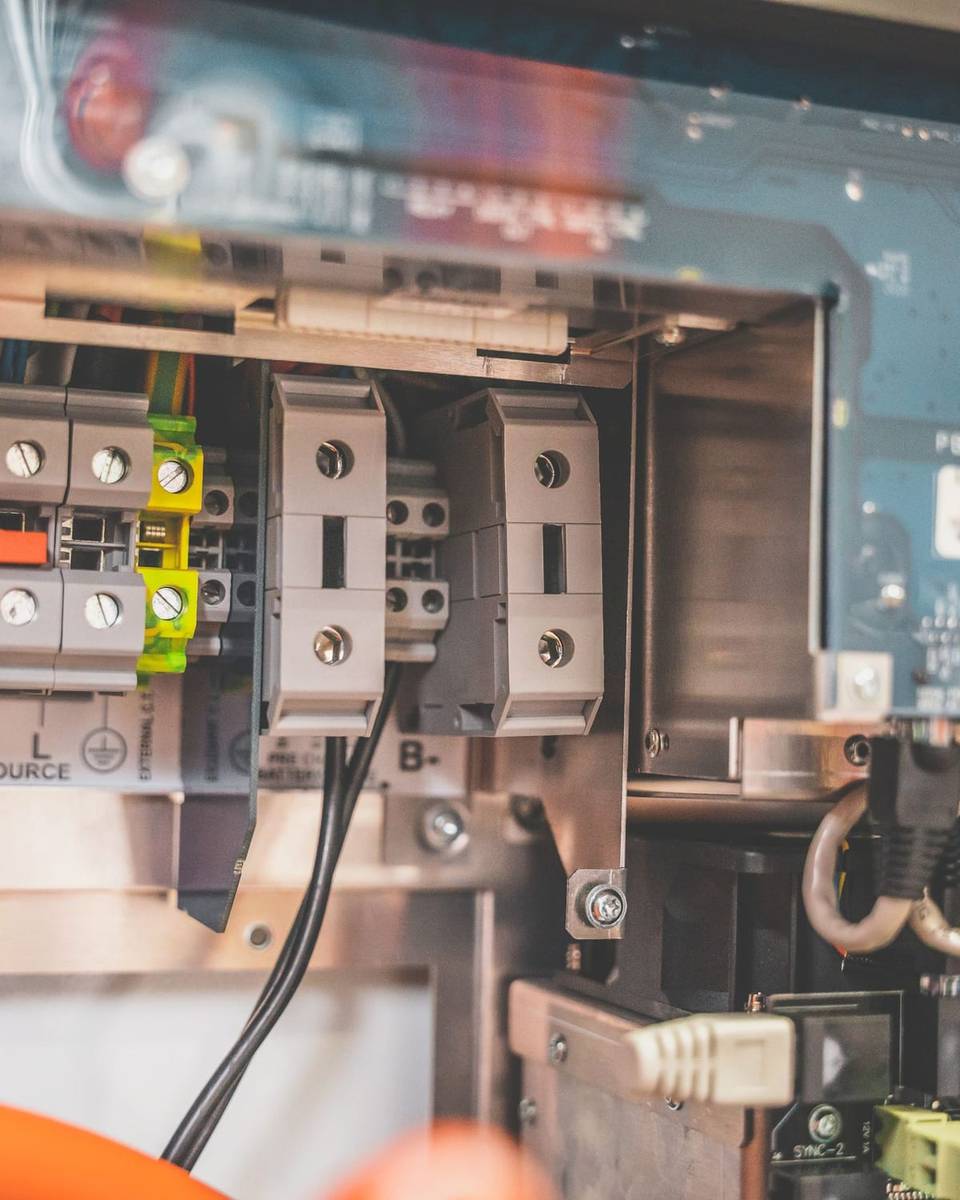
Three different uses for batteries
Backup during outages
The battery stays charged, and when the grid goes down the inverter switches essential loads over automatically: fridges, lighting, internet and communications, medical equipment or a sensitive production line. Size is based on those essential loads only, not the whole building.
More self-consumption
On a grid-connected system, the battery stores daytime surplus for use in the evening instead of exporting it. Whether that pays depends on how exported surplus is credited and on your tariff, and it is rarely enough of a reason on its own.
Off-grid or hybrid
At sites without the grid or running on a generator, batteries are the heart of the system and run every load at night. Details on off-grid and hybrid systems.
When batteries are worth it — and when they aren’t
Usually worth it for businesses where outages are costly — petrol stations, cold stores, clinics and small server rooms — for farms and istirahas that rely on a diesel generator, and for villas with frequent outages or equipment that can’t stop.
Often not worth it if the grid is stable where you are and your only goal is a lower bill, especially for homes with low consumption. Residential electricity in Saudi Arabia is relatively cheap, and batteries lengthen the payback. A grid-connected system without batteries, with an inverter ready to take them later, may be the smarter choice. Read when batteries are worth it.
Parts of a storage system
Batteries and BMS
Battery modules with capacity measured in kWh, and a management system that monitors voltage, temperature and charge.
Hybrid inverter
Manages panels, batteries and the grid or a generator in one unit, and switches loads during an outage. Its kW rating sets how much load it can run at once.
Essential-loads panel
A separate board for the loads you want running during an outage.
Protection
DC breakers and fuses rated for batteries, earthing and safe isolation for maintenance.
Monitoring
An app showing state of charge, consumption, production and grid status.
Lithium or lead-acid?
Lithium iron phosphate (LFP) batteries are the most common choice for solar today: more charge cycles, deeper usable discharge, lower weight, almost no maintenance, and a battery management system (BMS) that protects them and reports their state. They cost more upfront but usually last longer.
Lead-acid batteries (sealed or flooded) are cheaper to buy but heavier, shorter-lived and more sensitive to heat and deep discharge, and some need maintenance and special ventilation. They may suit simple, rarely used backup. The fair comparison is cost per kWh over the battery’s life, not the purchase price.
How battery size is worked out
Sizing starts with two questions: which loads you want to run from the battery, and for how many hours. The engineer goes through the essential appliances, their power and running hours to set capacity in kWh, then the inverter rating in kW to run them together, allowing for the start-up current of pumps and AC units.
Air conditioning changes the maths a lot: running it from batteries for hours needs a large bank. That is why many realistic solutions start with essential loads only. The survey also settles the battery location, cable route and panel.
Heat, location and safety
Heat is the battery’s biggest enemy: a hotter space ages it faster and shortens its life. Don’t put batteries in direct sun or in an unventilated metal annex. The best place is usually a shaded, ventilated indoor room or a dedicated, protected outdoor enclosure, away from bedrooms, emergency exits and flammable materials.
Installing and connecting batteries is electrical work for a licensed electrical contractor and may be subject to Civil Defense requirements and standards, especially in commercial and large buildings. On grid-connected systems, inverters must be from the approved class and must stop feeding the grid during an outage.
Batteries in a Saudi summer
Ask about the operating temperature range in the battery specification and the warranty terms — some warranties set conditions for the room temperature. In hot locations the battery room may need cooling or forced ventilation, and that consumption belongs in the design. Panels also need dust cleaning to keep batteries properly charged. Read our guide to dust, heat and cleaning.
Typical project steps
- 1. Request
You send the property type, essential loads and whether you already have a solar system.
- 2. Survey and design
Loads, hours, capacity, inverter rating and battery location are set.
- 3. Written quote
Capacity in kWh, usable capacity, battery and inverter type, and warranties.
- 4. Installation and testing
Installation and an outage changeover test, then handover and an app walkthrough.
Lifespan and warranties
Battery life is measured in charge cycles and in years, and depends on depth of discharge and temperature. Battery warranties usually set a period or a total energy throughput, with a minimum remaining capacity at the end. Read the conditions: temperature, depth of discharge and installation.
Add the hybrid inverter and workmanship warranties, and know who handles claims. More in our warranties and maintenance guide.
What affects the cost?
We don’t publish prices; cost depends on size and battery type. The main factors:
- Capacity
The kWh you need — the biggest factor.
- Battery type
Lithium or lead-acid, cycle life and warranty.
- Inverter
Hybrid inverter rating, and whether your current inverter accepts batteries.
- Installation space
Preparing the room, ventilation and protection.
Compare quotes on the same usable capacity, not just nominal capacity. See our solar cost guide.
Financing options in general
Batteries can be added with the system or later, paid outright or through financing or installer instalments. We don’t recommend lenders or quote rates — compare the terms carefully.
Questions to ask before signing
- Which loads will the battery run, and for how long?
Get the calculation in writing.
- What is the usable capacity?
Not just the nominal capacity.
- Where will the batteries go, and how are they kept cool?
Location, ventilation and safety requirements.
- What are the battery warranty terms?
Period, cycles, temperature and who handles claims.
- Are you licensed for electrical work?
Ask for the commercial registration and licence and check them.
Solar batteries: common questions
Do I have to install batteries with solar panels?
No. Most grid-connected systems run without batteries. Batteries help if you need backup power or your site has no grid.
Will a battery run my AC during an outage?
It can, but that takes a large battery and inverter. Running essential loads only is usually the better-value option.
Can I add batteries to my existing system?
Usually, either with a new hybrid inverter or a battery charger added to the system. The installer decides once they know your current inverter.
Are batteries safe inside the house?
Modern lithium batteries are safe when installed correctly in a suitable, ventilated space by a licensed technician with approved equipment. Don’t install them in bedrooms or hot spaces.
How long does a lithium battery last?
It depends on cycles, depth of discharge and temperature. Check the battery specification and warranty terms in the quote.
Do you sell batteries?
No. SaudiSolar only compares offers: with your consent we pass your request to qualified installers, and the contract is between you and the installer you choose.

Compare battery and backup power quotes
One request with your property type and essential loads brings quotes from qualified installers. Free, no obligation.