Four different warranties, not one
When you read a quote, look for these four separately:
- Panel product warranty
Covers manufacturing defects in the panel itself, such as frame or junction box failure or delamination. Usually given by the manufacturer.
- Panel performance warranty
Promises that output declines only slowly, within a stated limit, over the years. Proving a claim needs measurements and records, which is why monitoring and paperwork matter.
- Inverter warranty
The inverter is the part most exposed to heat-related faults, and its warranty is usually shorter than the panels’. Ask whether an extension is available and on what terms.
- Workmanship warranty
Given by the installer and covering the quality of the work: mounting, connections, cabling and any roof leaks caused by the installation.
We don’t give typical periods here, because they vary between manufacturers and installers. The rule is simple: ask for each period in writing, the name of the party giving it, and whether it has an authorised agent in the Kingdom. When comparing quotes, compare like with like, as in our guide to comparing solar quotes.
What warranties usually don’t cover
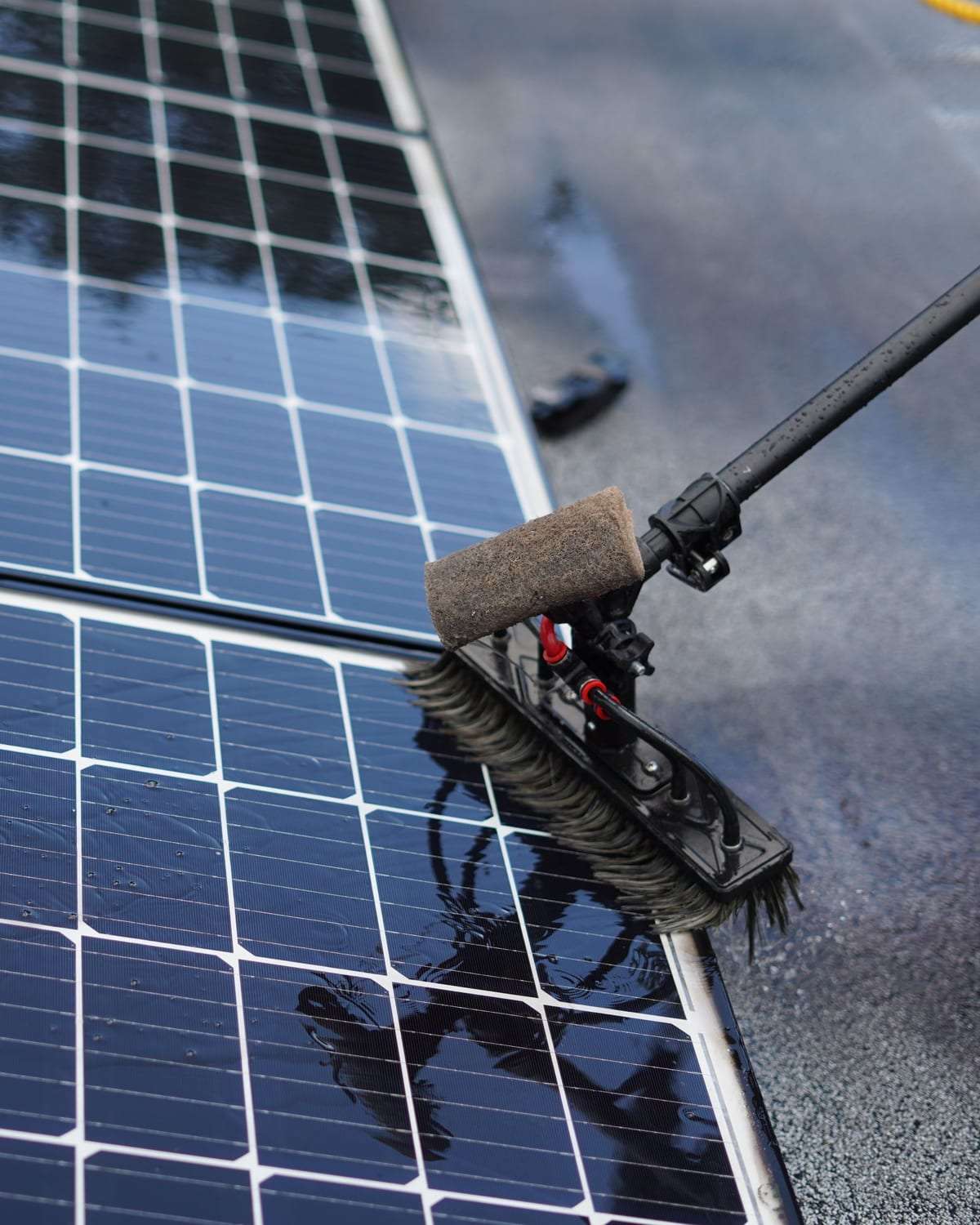
The exclusions matter more than the headline. Most warranties don’t cover output lost to accumulated dust, damage from wrong cleaning such as high-pressure water, chemicals or walking on panels, or changes made to the system by unqualified people. Some exclude lightning, grid disturbances or natural disasters, or require specific protection devices.
Read the voiding conditions too. Is the inverter warranty void if it is mounted in direct sun? Is the workmanship warranty void if another company later works on the roof or installs an AC unit next to the panels? These are practical questions on any Saudi building, because roofs are used for much more than solar. Ask for the permitted cleaning method in writing, so you don’t discover after a fault that you broke a condition you never knew about.
Who handles a claim when something fails?
This question separates a useful warranty from one that exists only on paper. In the best case, the installer is your single point of contact: they diagnose the fault, deal with the manufacturer or its agent, replace the part and restart the system. In the worst case, you find yourself writing to a manufacturer abroad and shipping the part at your own cost.
Ask plainly: who pays the technician to remove the faulty part and fit the replacement? Who pays for shipping? Is a temporary inverter provided if replacement takes a while, especially at a business that relies on the system? And what happens to the workmanship warranty if the installer stops trading? The manufacturer’s warranty remains, which is why the paperwork should be in your name and you should know the local agent.
The scope of an O&M contract
An operations and maintenance (O&M) contract is separate from the warranty and sets out what the installer does on a regular basis. In Riyadh, Al-Ahsa or Qassim, dust cleaning alone is a major item, and after sandstorms you may need extra cleaning outside the schedule. Ask for the contract to state how often and how panels are cleaned, who supplies the water, and whether extra cleaning is included or charged separately.
Preventive maintenance goes beyond cleaning: visual checks of panels, structures and bolts, checks on cable connections, breakers and distribution boards, inverter ventilation, and sometimes thermal imaging to find hot cells or connections before they cause a failure. In coastal cities such as Jeddah and Dammam, add checks for corrosion and moisture. Corrective maintenance is repairing faults when they happen — ask whether parts and labour are included or billed later. More on our solar maintenance page, and on cleaning in our guide to dust, heat and cleaning.
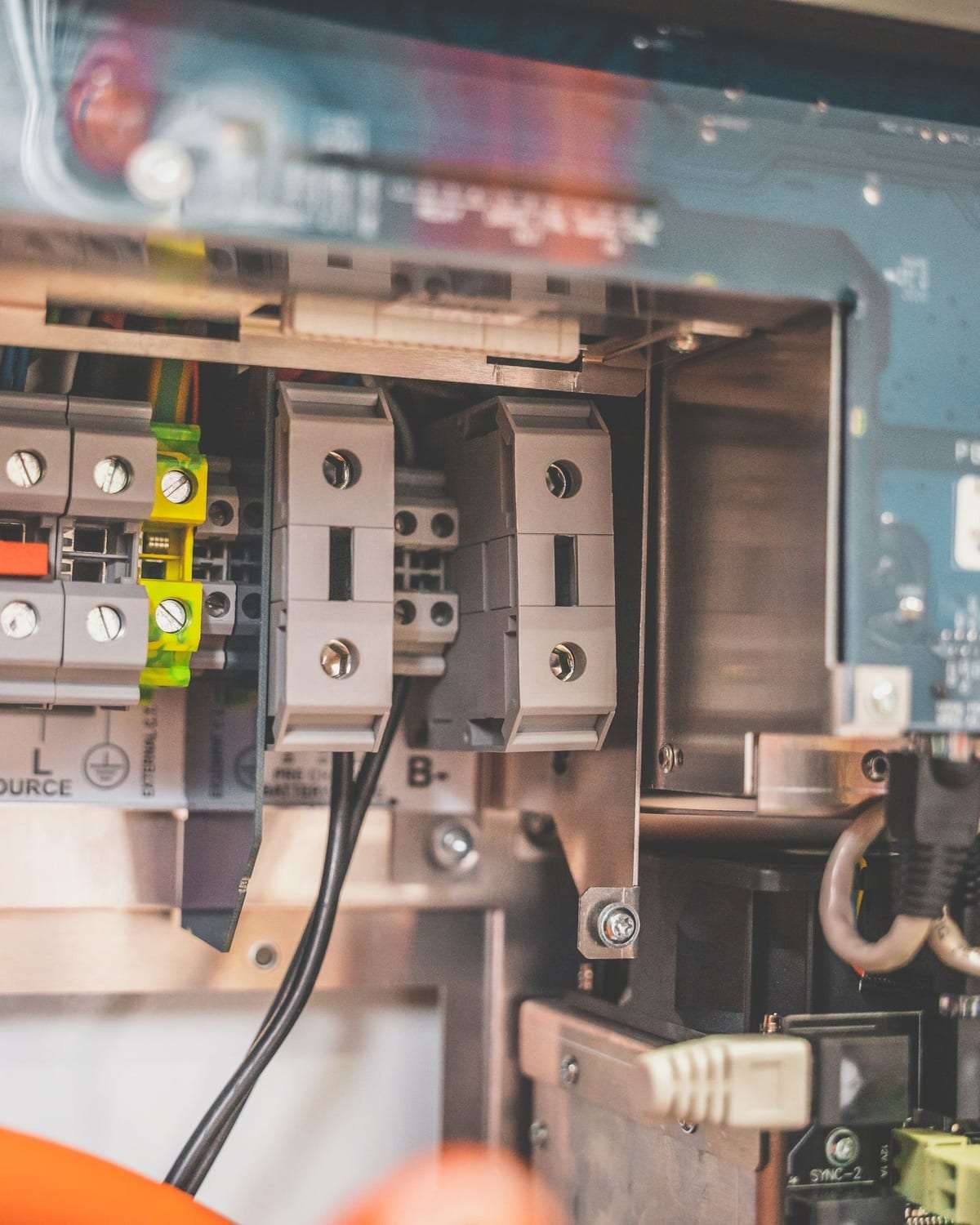
All electrical work inside boards and inverters is for a qualified electrical technician or engineer — not the cleaning crew and not the building owner.
Monitoring and response times
A monitoring system shows daily production and faults on your phone or computer, but it only helps if someone looks at it. Agree with the installer: do they follow the alerts, or do you? Do you get a message when an inverter stops or output drops abnormally? Can you access the data yourself even after the contract ends?
Response times should be written down, ideally by type of fault: a full shutdown at a factory or hotel is not the same as one dirty panel. We don’t suggest specific times, but a good contract states how quickly a technician makes contact, how quickly they reach the site, and what happens if they are late.
Records: the paperwork that protects you
At handover, ask for a complete file: as-built drawings, serial numbers for panels and inverters, named warranty certificates, the commissioning test report and monitoring login details. Keep a digital and a paper copy, because the person who accepted the system may not be around in a few years.
After commissioning, ask for a log of every maintenance and cleaning visit: the date, what was checked, any findings and parts replaced. That log is what you need for a performance warranty claim, because the manufacturer will ask about cleaning methods, fault history and production data.
Batteries have their own conditions
If the system includes lithium batteries, their warranty works differently from the panels’. It is often tied to the number of charge cycles or the energy passed through, and to operating conditions such as temperature, location and ventilation. A battery installed in a hot room without ventilation can lose its warranty and be a hazard at the same time. Ask for the warranty terms in writing and make sure the location meets safety and civil defence requirements.
FAQ
How long is a solar panel warranty?
It varies by manufacturer and type of warranty, so don’t rely on a figure you’ve heard. Ask for the product and performance warranty periods in writing in the quote, and who gives them.
Do I need a maintenance contract for a new system?
Usually yes, especially for businesses. Dust alone reduces output, and regular checks catch small problems before they grow. For a small home, periodic cleaning and a yearly check may be enough.
Can I clean the panels myself?
Cleaning the surface with water and a soft brush is possible if access is safe and the warranty allows it. Don’t open boards or the inverter — that is work for a qualified electrician.
What should I do if output suddenly drops?
Check the monitoring first: is the drop across all panels, pointing to dust, or on one inverter? Then report it to the installer in writing and keep the date and photos.
Is the warranty with you or the installer?
With the installer you contract and the manufacturer. SaudiSolar only compares offers and gives no warranty or maintenance. You can request quotes from qualified installers and compare their warranties.
This guide is general information, not technical, financial or legal advice. Rules, tariffs and requirements can change — always confirm with the competent official bodies and a qualified solar installer before deciding. Electrical work and grid connection must be done by licensed professionals only.