Start from kilowatt-hours, not riyals
The bill has two important figures: the amount in riyals and the consumption in kilowatt-hours. A solar system produces kilowatt-hours; it knows nothing about riyals. Size it on the amount and your calculation gets distorted by tariff tiers, fees, VAT and any change in tariffs.
Find the consumption or meter-reading field on the bill and note the figure for every month. Ideally, collect a full year of bills, from the Saudi Electricity Company app or the text messages you receive on your phone. If the site has more than one meter — a factory with a separate office building, or a villa with an annex — record each meter separately, because the system is usually connected to one of them.
A full year: why the seasonal pattern matters
Consumption in Saudi Arabia changes a lot with the seasons. In Riyadh or Al-Ahsa, the July and August bills can be far higher than the January bill because of air conditioning. In Jeddah and Dammam, humidity keeps the AC running for more of the year. Take a single month and you will design a system that is far too big if it was a summer month, or too small if it was a winter one.
The right approach is to add up the whole year, work out the monthly average and look at the gap between the highest and lowest months. Panels also produce more in the long sunny months, but their output doesn’t rise as steeply as cooling demand, and high heat lowers their efficiency slightly. That is why most installers design on the annual average and accept that the system covers more of the bill in winter and less in summer.
The daytime share: how much of your use falls in sun hours?
A monthly bill doesn’t tell you when you used the electricity, and that question matters a great deal. A warehouse working from morning to late afternoon uses most of its power while the panels produce, while a villa whose family comes home in the evening and runs bedroom AC all night uses much of its power after sunset. That difference also shapes the business case, as explained in is solar worth it?
With a grid-connected system, daytime surplus is exported and credited under the regulatory framework, but its value may not match that of a kilowatt-hour you use directly. A good engineer therefore asks about operating hours, shifts and days off, or requests smart-meter data where available, before deciding on size. For larger sites, an energy audit is worth doing before design, because it measures loads instead of guessing. Connection details are in our grid connection guide.
The calculation, in words
The basic calculation is simple in principle. Take the amount of electricity you want the system to produce per month in kilowatt-hours, and divide it by the product of three things: the daily peak sun hours in your city, the number of days in the month, and an efficiency factor that represents the system’s losses. The result is the approximate capacity needed in kilowatts-peak.
“Peak sun hours” are not the hours of daylight; they express the amount of solar radiation as if the sun shone at full strength for a certain number of hours. They vary by region and season, and the values used are usually planning estimates from reliable irradiation sources. The efficiency factor, or losses, bundles many things together: panel temperature, dust between cleanings, inverter and cable losses, and any partial shading. In our hot, dusty climate these losses are not a minor detail — see our guide to dust, heat and cleaning.
Notice that every part of this formula contains an assumption. If an installer assumes more sun hours or fewer losses than reality, you end up with a system smaller than you need and an optimistic production forecast. That is why you should ask for these assumptions in writing.
Why the calculator is only a first estimate
Our solar calculator applies the logic above with approximate sun-hour values per city and an example tariff. It helps you get the scale right: a small system for a house, a medium one for a shop, or a large one for a warehouse.
But it doesn’t know your roof or its shading, the timing of your consumption, the state of your switchboard or your subscription limits. So don’t treat its result as a quote or a production promise. If a quote is far from the calculator’s figure, that doesn’t make it wrong — but it is a good reason to ask the installer how they calculated it.
The roof sets the ceiling: area and shading
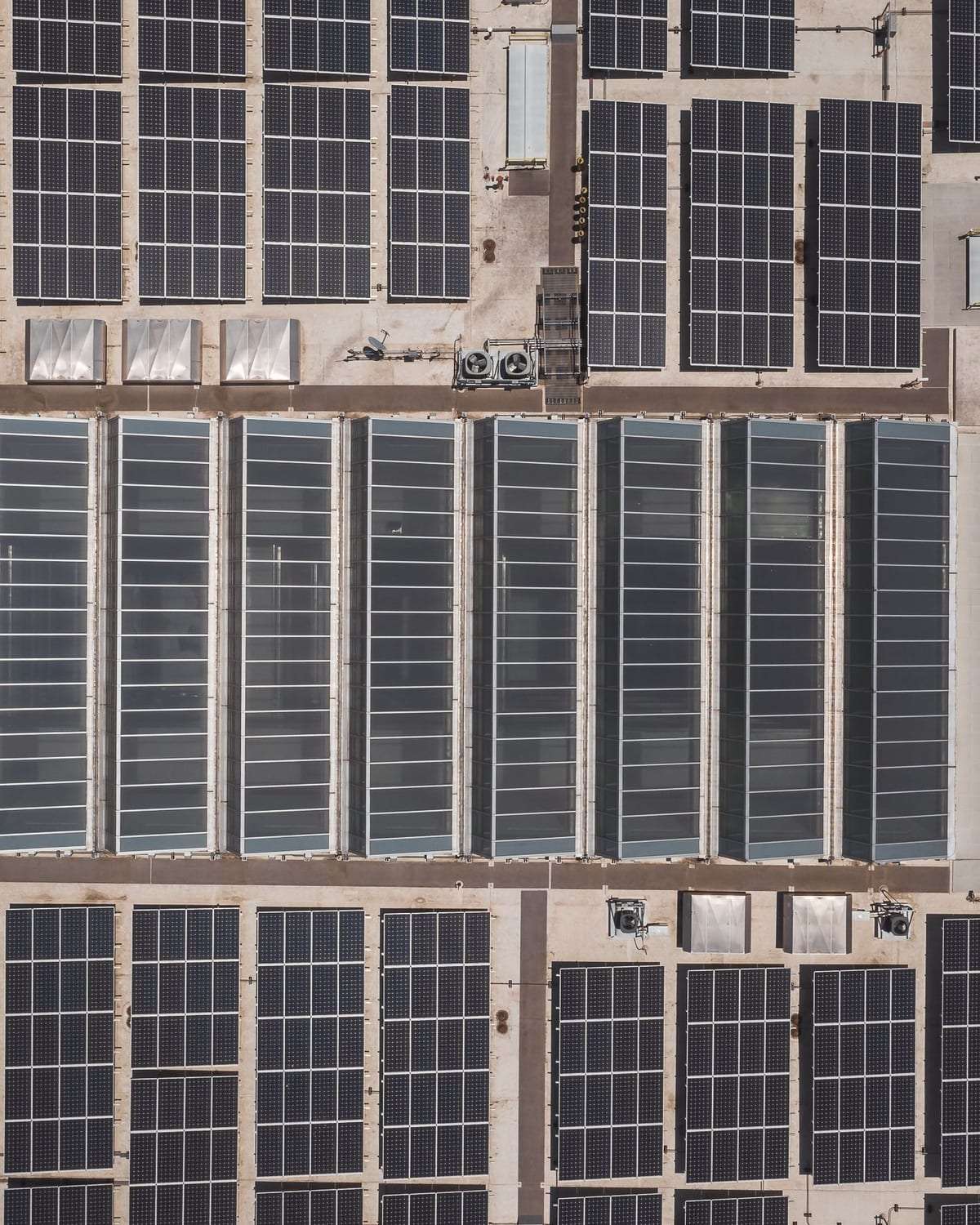
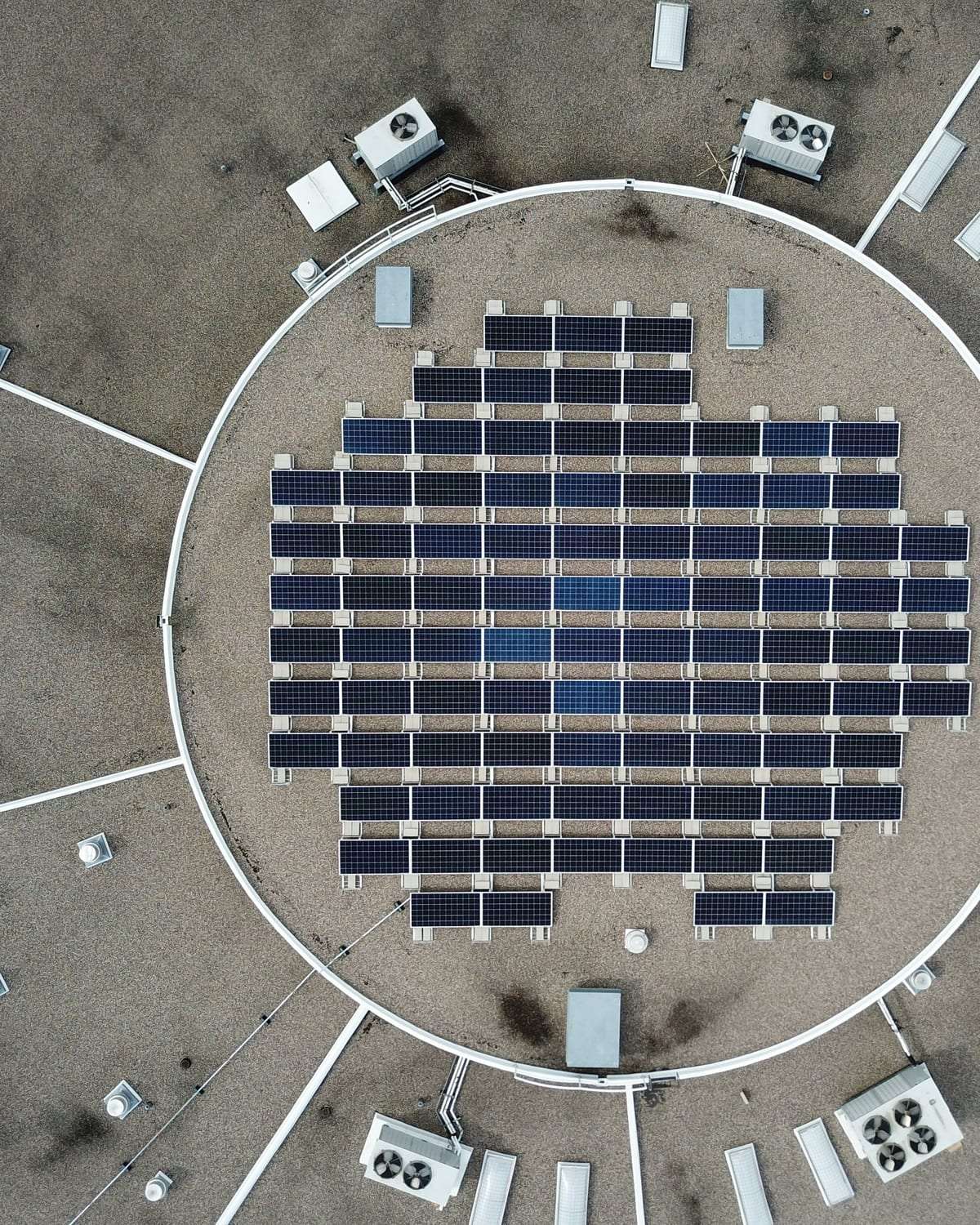
Your bill may call for a large system that the roof can’t fit. On many villas the roof is taken up by water tanks, AC units and stairwell rooms; on commercial buildings, equipment and walkways use a lot of space. Rows must be spaced so they don’t shade each other, with safe paths for cleaning and maintenance.
The final size is the smaller of two figures: what your consumption calls for, and what the roof can actually hold — while respecting the regulatory limits tied to your subscription for grid-connected systems. If the roof isn’t enough, alternatives include solar carports for sites with open parking, or ground-mounted arrays on farms and large plots.
From estimate to quote: what to send installers
The clearer your information, the closer the quote will be to reality. Prepare the following before you ask:
- A full year of consumption in kWh for each meter, not just the bill amount.
- Operating hours and days off, and any large loads that run at night.
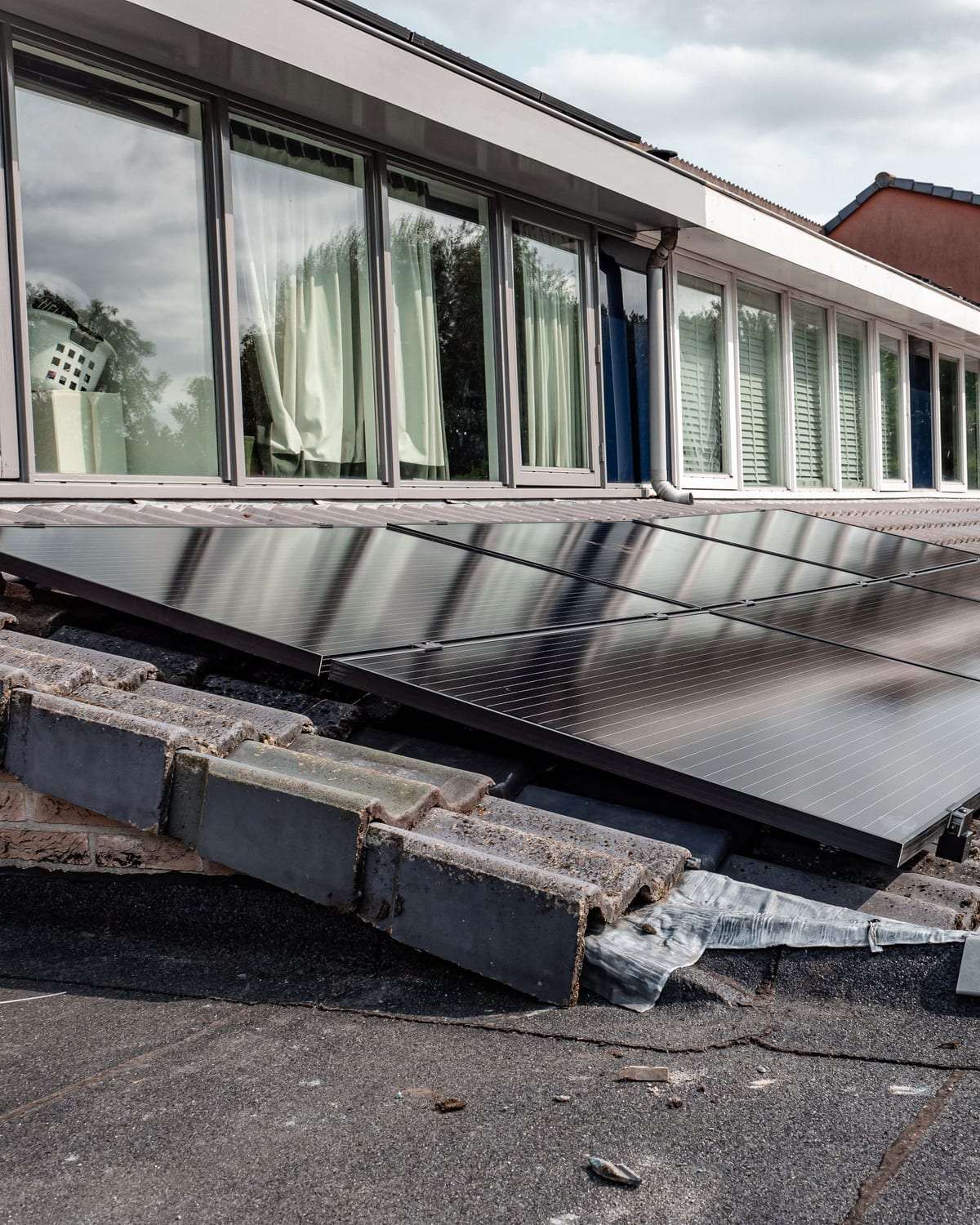
- Photos and rough measurements of the roof, noting tanks, AC units and neighbouring buildings.
- Any expansion plans, such as a new production line, a pool or an electric car.
Then ask each installer to state in the quote the consumption they sized on, the sun hours and losses assumed, and the expected annual production. To understand what drives cost, read our solar cost guide.
FAQ
Can I rely on a single month’s bill?
It isn’t recommended. Consumption changes a lot between summer and winter, and one month can give you a size that is too big or too small. Collect a full year of bills if you can.
Should the system cover my whole bill?
Not necessarily. For grid-connected systems, covering daytime use is usually more important than covering the whole bill, and there are regulatory size limits. A good installer explains why they chose the size proposed.
What is the difference between kW and kWh?
Kilowatts (or kilowatts-peak) describe the system’s capacity; kilowatt-hours are the amount of electricity produced or used. Your bill measures kWh, and a quote states system capacity in kWp.
Why do quotes for the same building differ in size?
Each installer assumes different sun hours, losses and coverage, and sometimes uses panels of different power. Ask for the assumptions in writing and compare them — not just the kilowatts.
Can the calculator replace a site survey?
No. The calculator gives you a sense of scale; the survey determines the actual space, shading and condition of the switchboard.
This guide is general information, not technical, financial or legal advice. Rules, tariffs and requirements can change — always confirm with the competent official bodies and a qualified solar installer before deciding. Electrical work and grid connection must be done by licensed professionals only.