What actually decides whether it pays
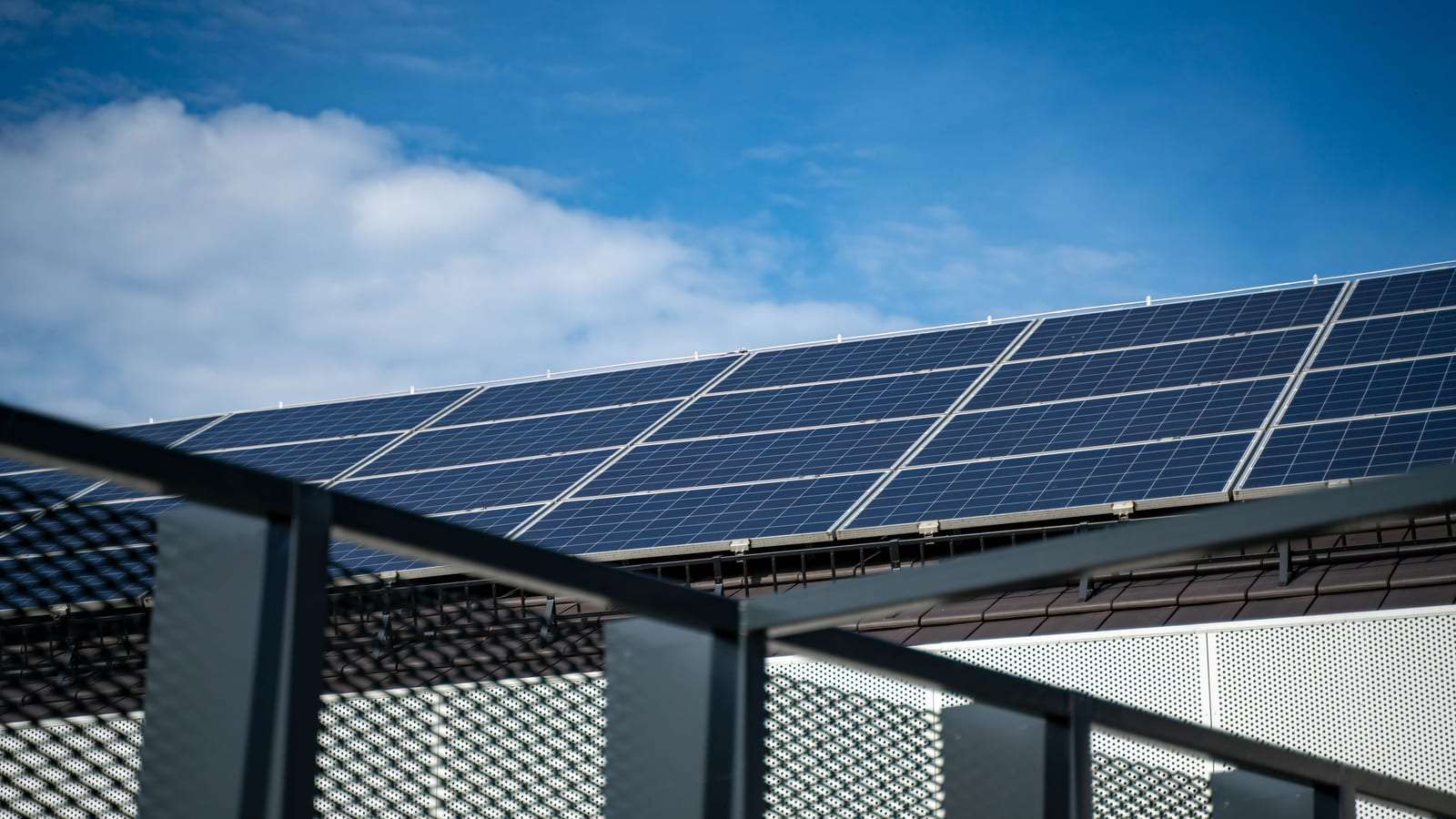
A solar system is an investment you pay for up front and recover as electricity you no longer buy. So the more expensive the energy you replace, and the more of the panels’ output you use at the moment it is produced, the clearer the case. That is why the same system can be an excellent decision for a warehouse and only an average one for a small house.
The second factor is timing. Panels produce during the day, peaking around noon. A business running cooling and equipment from morning to late afternoon uses almost every kilowatt-hour, while a house that uses most of its power at night relies on exporting surplus to the grid or on batteries — and both change the numbers.
Some factors don’t show up on the bill: the condition of the roof and the space available, how long you will stay in the building, whether you need backup during outages, and whether a client or authority expects sustainability targets. Sometimes these settle the decision more than the savings do.
Factories, warehouses and other daytime consumers
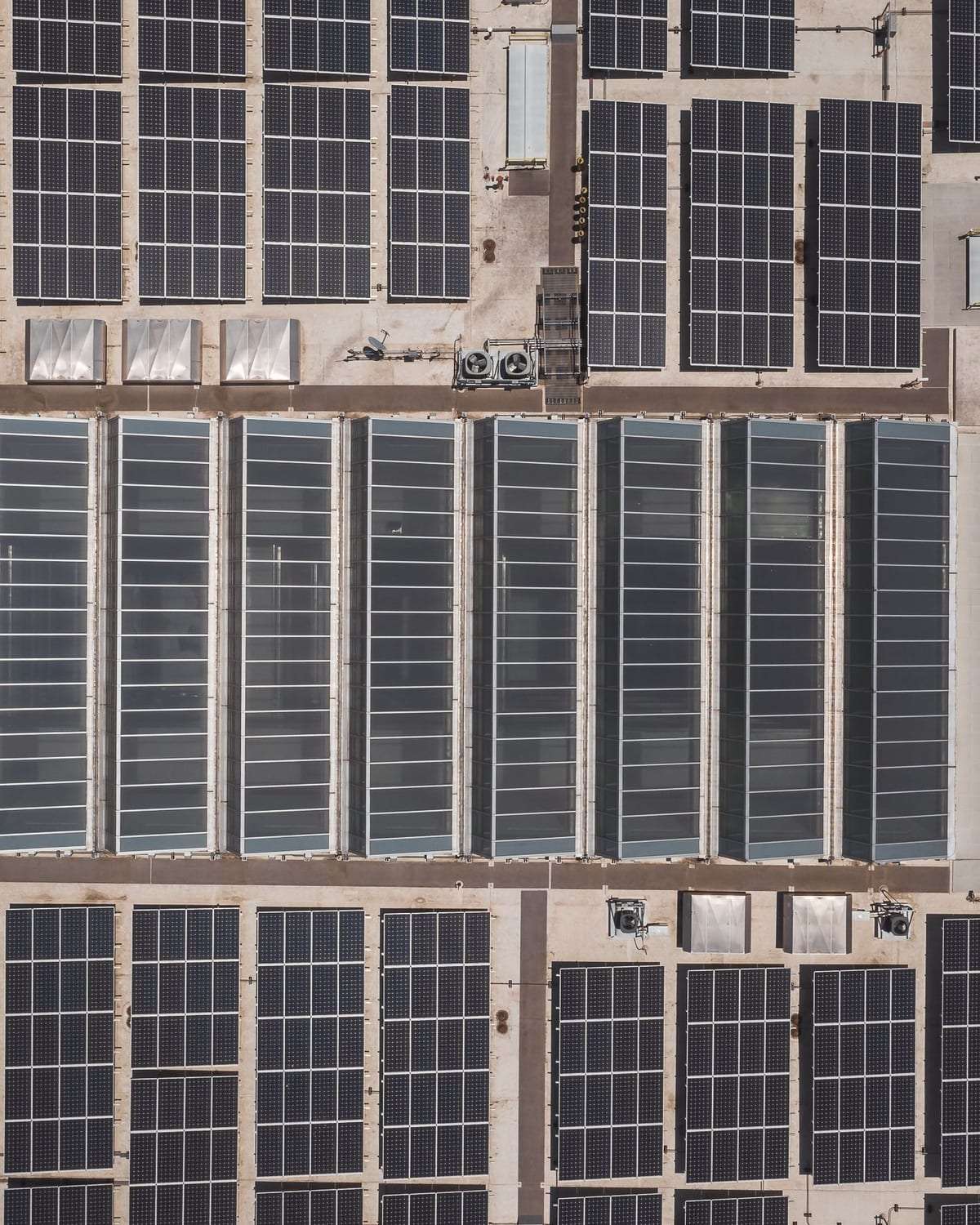
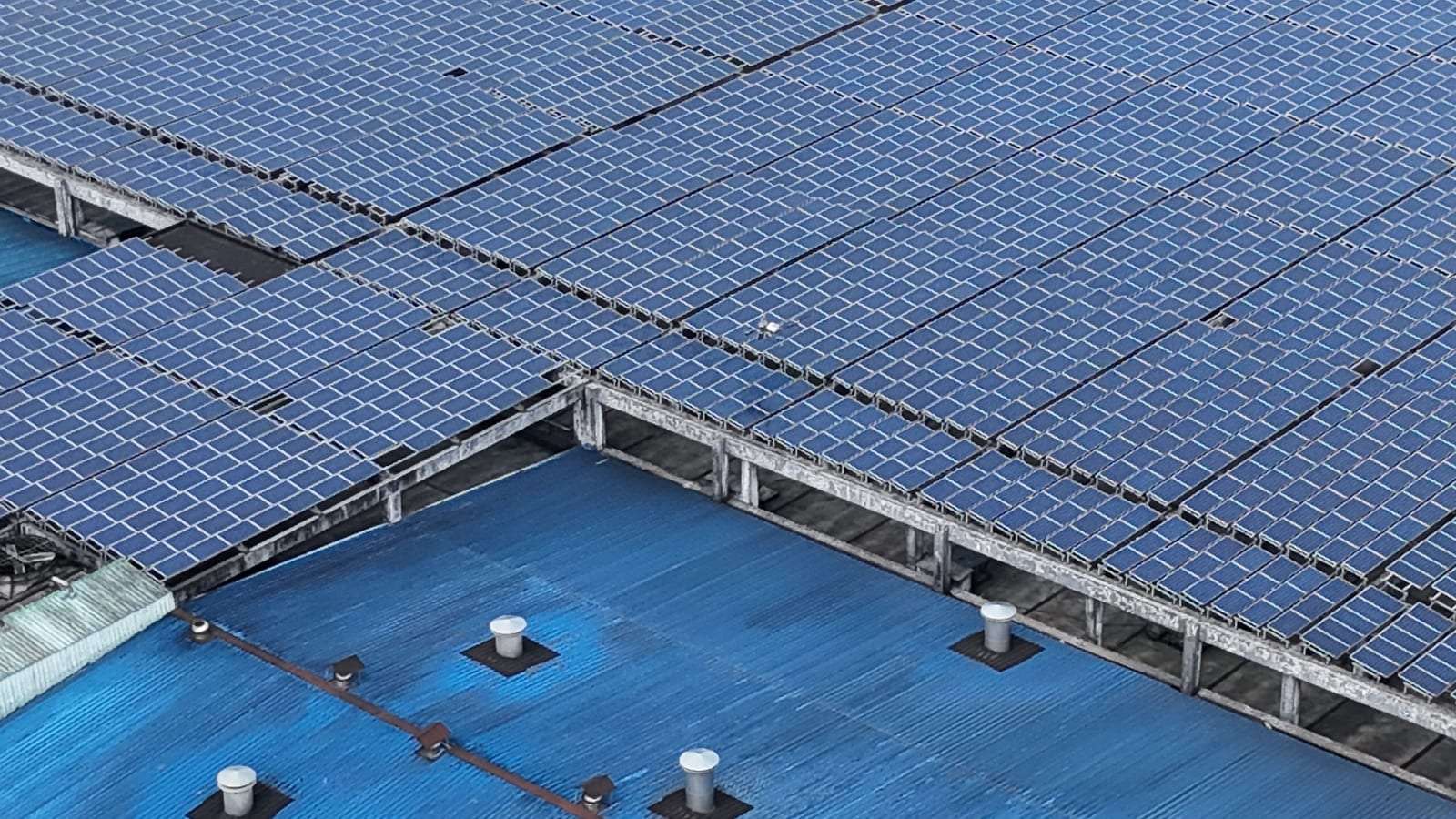
This is usually the strongest group. A factory or warehouse uses a lot of electricity during working hours — cooling, refrigeration, production lines, lighting, forklift charging — and usually has a large flat or metal roof without shading. Production and consumption move together, so most of the electricity generated is used on site.
The same logic applies, to varying degrees, to shopping centres, schools, offices, hotels and petrol stations. Take a cold store in an industrial area of Riyadh or Dammam: the compressors work hardest in the midday heat, exactly when the panels are at their peak.
Even here, don’t assume. A site that mostly runs night shifts, a roof due for replacement or a short lease all call for a closer look. Start with a consumption and feasibility study, and read our guide to solar for factories and warehouses for how the decision is made inside a company.
Farms and sites running on diesel
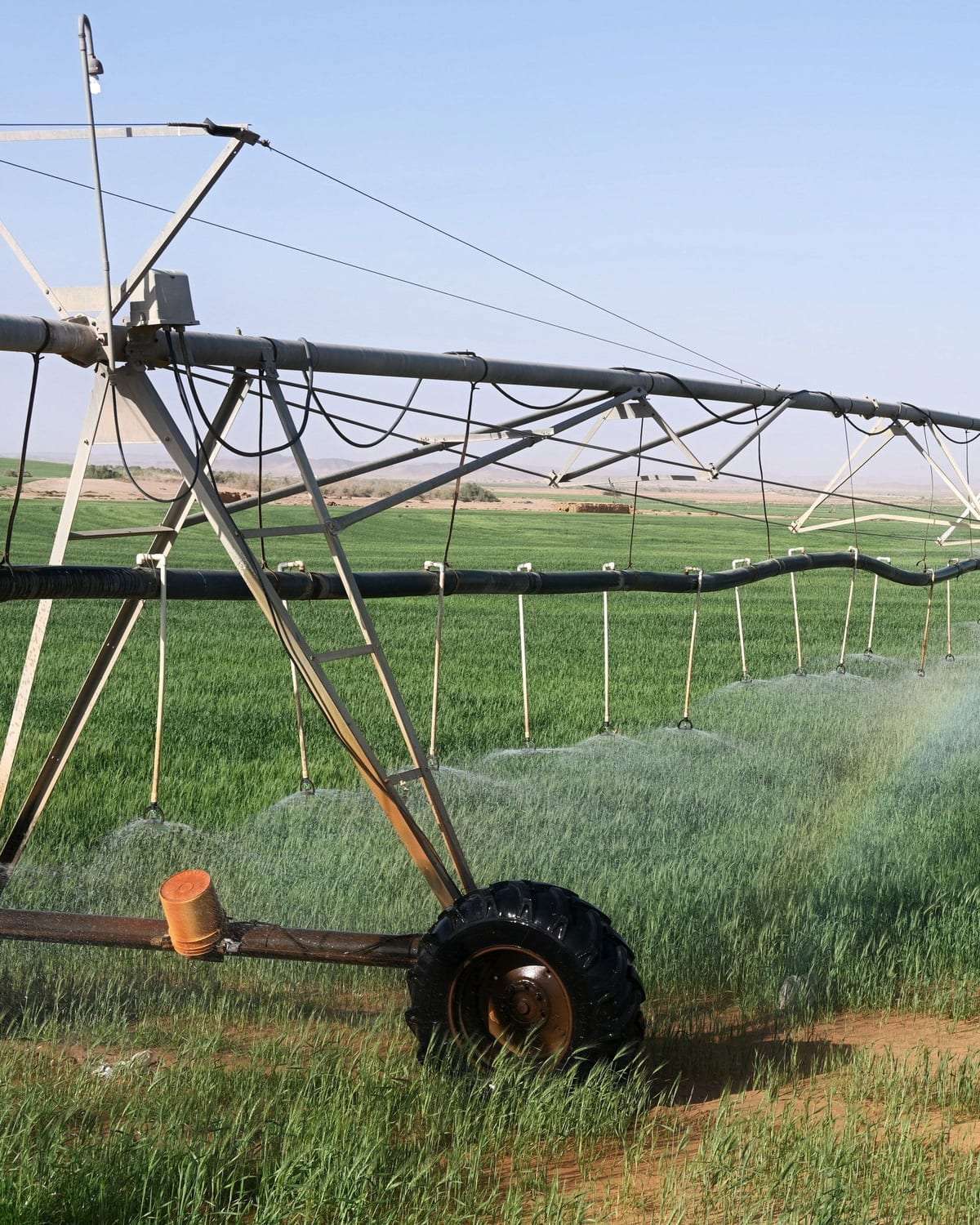
If your farm pulls water from a well with a submersible pump on a diesel generator, you are probably one of the strongest candidates for solar. Diesel is not just the fuel price: there is transport, storage, generator servicing, breakdowns and spare parts, and a worker’s time spent refuelling. A solar system removes much of that, and it works in the same hours you need to irrigate.
The same goes for istirahas, chalets and sites far from the grid, such as grazing areas or projects on the edge of town. The usual choice there is an off-grid system, a hybrid with the generator, or solar water pumps running directly without batteries for daytime irrigation.
Be realistic about size: a large pump on a deep well needs careful design, and the generator may stay as backup for cloudy days or night-time needs. For details, read our guide to switching from diesel pumps to solar.
Sites that need backup power
Some customers are not after savings first, but continuity. A clinic with medicine fridges, a server room in an office, a chilled food store, a telecom tower in a remote area: an hour of outage can cost more than a month’s bill. Here, solar with batteries is part of a backup plan, not just a way to cut the bill.
That changes the question. Don’t compare the system’s cost with savings alone, but with the cost of the alternative: a generator that needs fuel and servicing, lost stock or interrupted service. Batteries add cost and need a safe, ventilated location — and installing them is work for licensed professionals only.
Villas and large homes with high bills
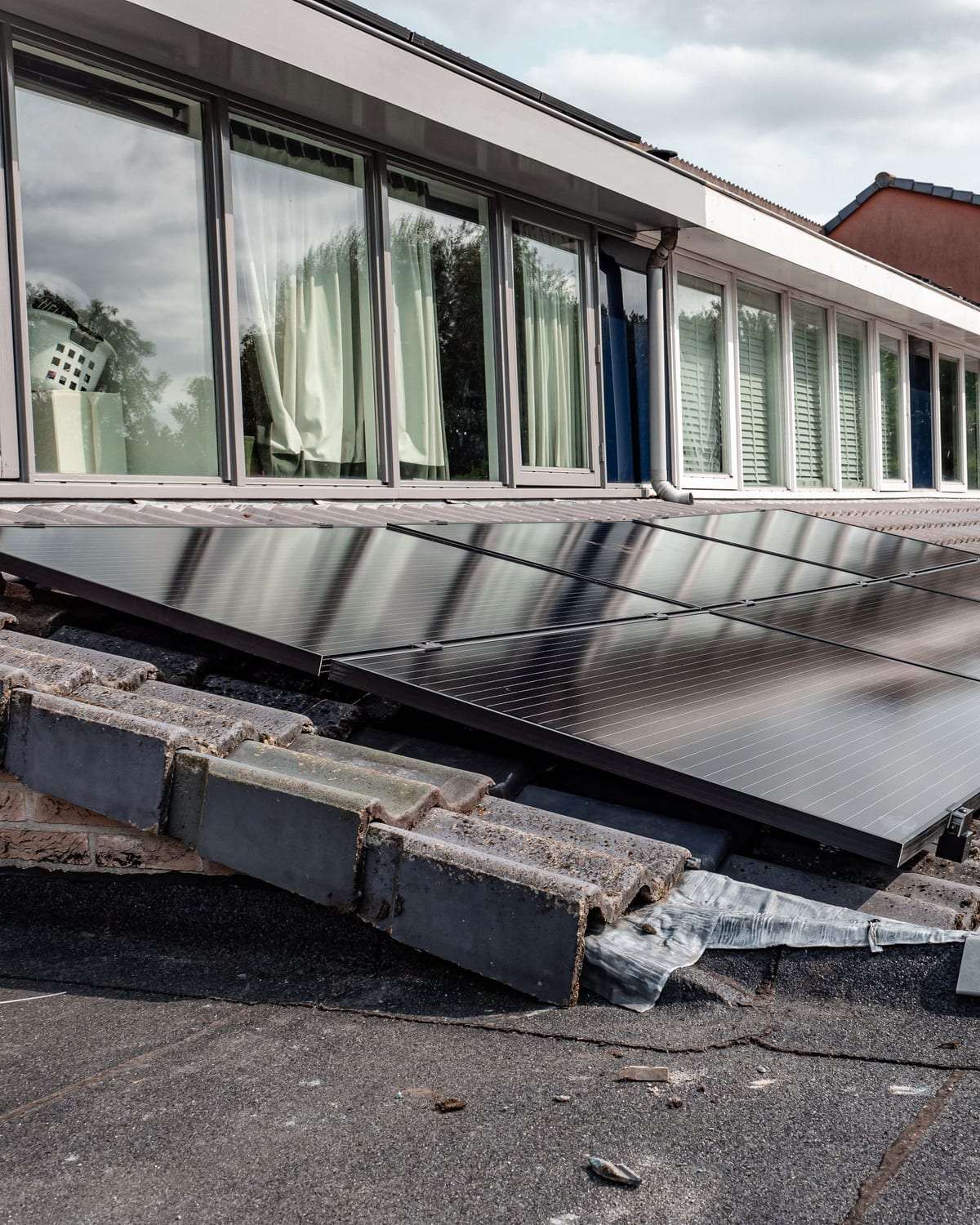
A large villa in summer is a different story from a small house. With several AC units, a pool, outdoor lighting and sometimes an electric car, the bill can reach a level where rooftop panels are worth studying — especially if the roof is large, you own the house and you plan to stay for years.
But be honest with yourself: much of a home’s consumption happens in the evening and at night, and residential tariffs in Saudi Arabia are relatively low, so each kilowatt-hour saved is worth less than in a commercial building. Many villa owners choose solar for extra reasons too: backup during outages, a solar water heater, or getting the house ready for an electric car. More in our guide to solar for villas.
Small homes with low bills: when waiting is wiser
We’ll say it plainly: if your bill is low and your house is small, savings alone may take many years to cover the cost of a system. Residential electricity in Saudi Arabia is relatively cheap, so each kilowatt-hour your panels produce saves you a small amount, while design, installation and connection have a minimum cost that doesn’t shrink much with system size.
That doesn’t make solar wrong for you, but your priorities may lie elsewhere: roof insulation, more efficient AC units, switching off unnecessary loads. If your motive is sustainability or backup, those are valid reasons — as long as you know it is not a fast-return investment. Try the solar calculator for a first estimate, and don’t rely on big savings promises from anyone.
Know where you stand before asking for quotes
Before contacting any installer, have this information ready. It is what separates a considered quote from a guess:
- Electricity bills for at least a full year, or your monthly diesel cost if you run a generator.
- When your consumption peaks — day or night — and how much it changes between summer and winter.
- The roof or land area available, and any shading from tanks or neighbouring buildings.
- Your main goal: lower bills, getting off diesel, backup or sustainability.
Then ask for quotes based on an actual site survey, and check that the installer is qualified and registered with the relevant authorities. If you receive several offers, read how to compare solar quotes before choosing.
FAQ
Is solar worth it for everyone in Saudi Arabia?
No. Sunshine is strong almost everywhere, but the case depends on consumption, its timing and the cost of the energy you replace. Daytime businesses and diesel-run farms are usually at the top; small homes with low bills are at the bottom.
How many years until the system pays for itself?
We don’t give a general figure, because it varies widely with site, size and tariff. Ask each installer for the payback calculation in writing with its assumptions, and compare the assumptions across quotes before the numbers.
My farm runs on a diesel generator. Where do I start?
Gather the well data (depth and water volume), pump power, operating hours and monthly diesel cost, then request quotes for a solar pumping system. Mention the well depth in your request, because sizing depends heavily on it.
I rent. Can I install panels?
You will usually need the owner’s written consent, especially for a grid-connected system. Also think about how long you will stay in the building before you invest.
Do you sell solar systems?
No. SaudiSolar compares offers: with your consent we pass your request to qualified solar installers, and the contract is between you and the installer you choose.
This guide is general information, not technical, financial or legal advice. Rules, tariffs and requirements can change — always confirm with the competent official bodies and a qualified solar installer before deciding. Electrical work and grid connection must be done by licensed professionals only.