System size: the biggest cost factor
System size is measured in kilowatt-peak (kWp) and is the biggest factor in any quote: the number of panels, inverters, frames, cables and labour hours all grow with it. Cost doesn’t always rise in proportion, though, because some costs are roughly fixed — design, survey and connection procedures — and spread over a larger system on bigger projects.
The right size comes from your electricity bills, consumption pattern and available space, not a wish for “the biggest system possible”. A system larger than your daytime use may export a lot of surplus to the grid, and the value of that surplus is set by the regulatory framework. Read how to size a system from your bill.
Panel and inverter class
Panels differ in power, efficiency, heat tolerance and warranty length. A higher-efficiency panel produces more from the same area, which matters on a limited roof but isn’t necessary when space is plentiful.
The inverter is one of the key components: central, string or hybrid (also managing batteries), differing in efficiency, heat protection, warranty and local technical support. For grid-connected systems, panels and inverters must come from approved equipment, so don’t compare a quote with approved equipment against one with equipment of unclear origin.
Mounting: roof, ground or carport
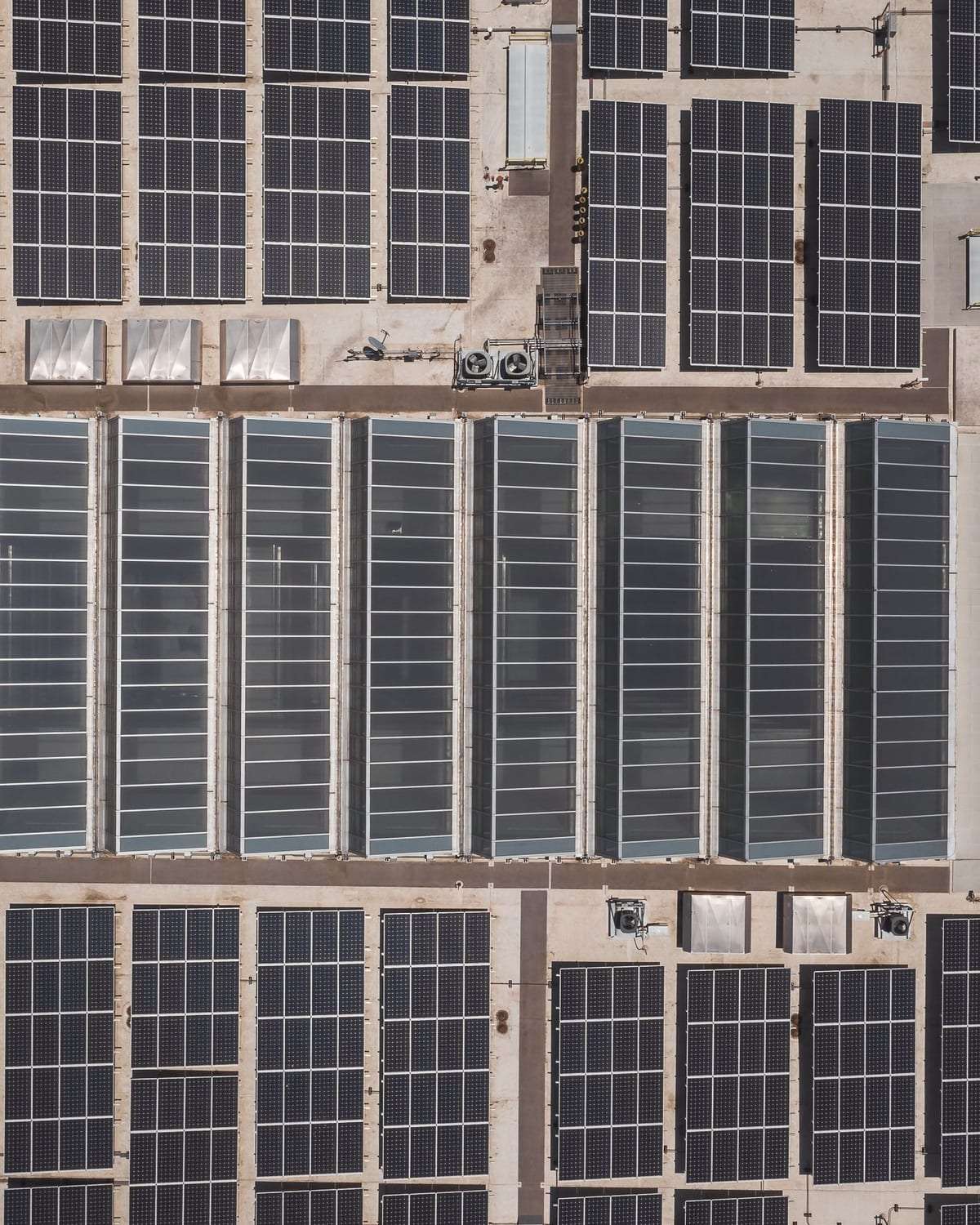
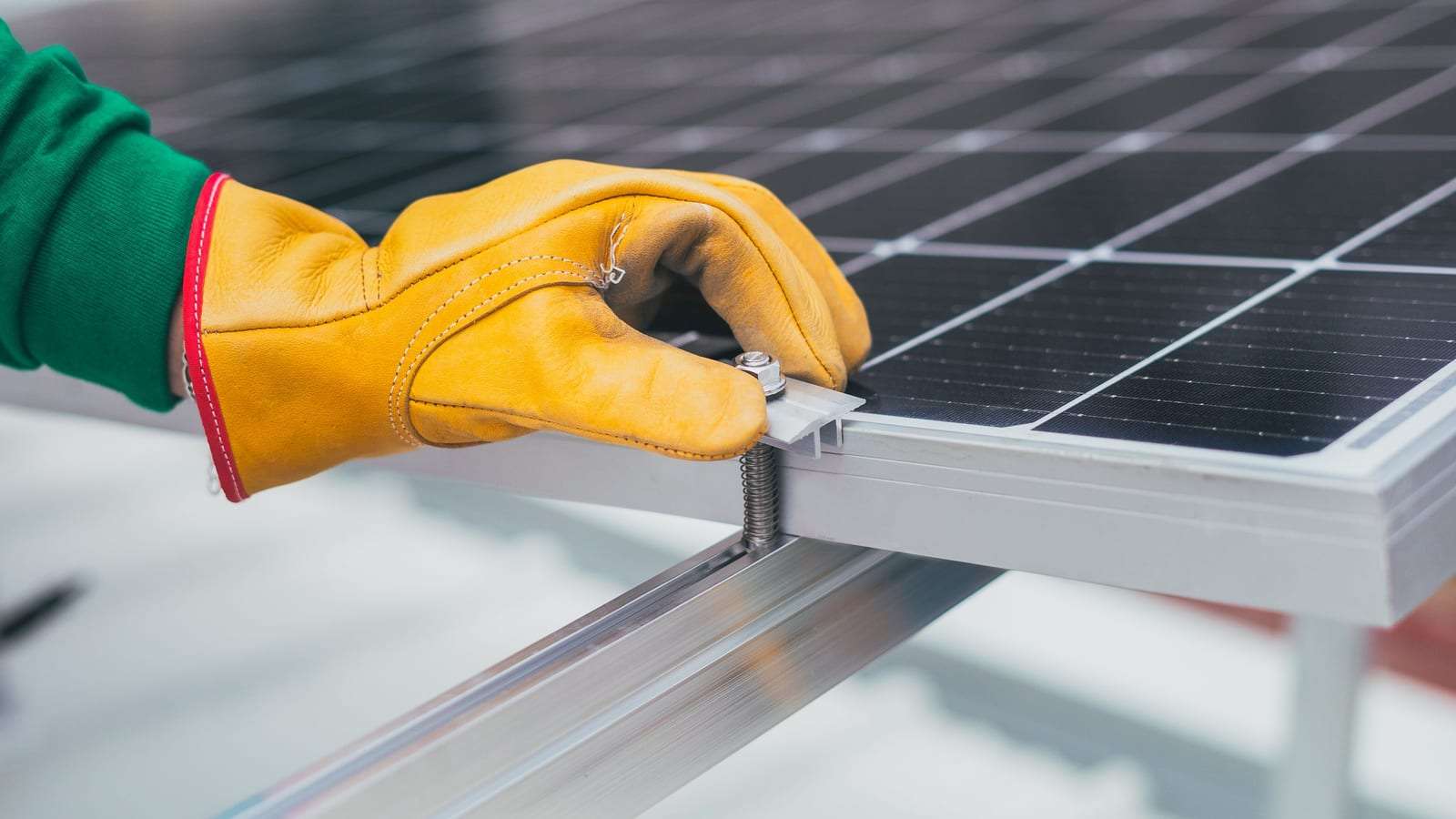
Ballasted frames on a concrete roof differ from rails on a metal roof, and both differ from a ground-mounted plant that needs foundations in the soil and sometimes a fence. Solar carports need a steel structure and foundations, so the structure costs clearly more — but they shade cars and offer space a roof can’t.
On villa roofs and buildings crowded with water tanks and AC units, the design may need an elevated frame to clear these obstacles, which raises mounting costs compared with an open roof.
Batteries: an addition that needs a reason
Batteries are among the biggest additions to system cost and should only be added for a clear reason: backup for essential loads, night-time supply on an off-grid site, or running a generator less. Capacity, chemistry, cycle life, location and safety requirements all affect the price.
On sites that run on a diesel generator, batteries may be a core part of an off-grid or hybrid system. A grid-connected business that uses most of its power during the day may not need them at all. Read when batteries are worth it.
Cabling distance and the switchboard
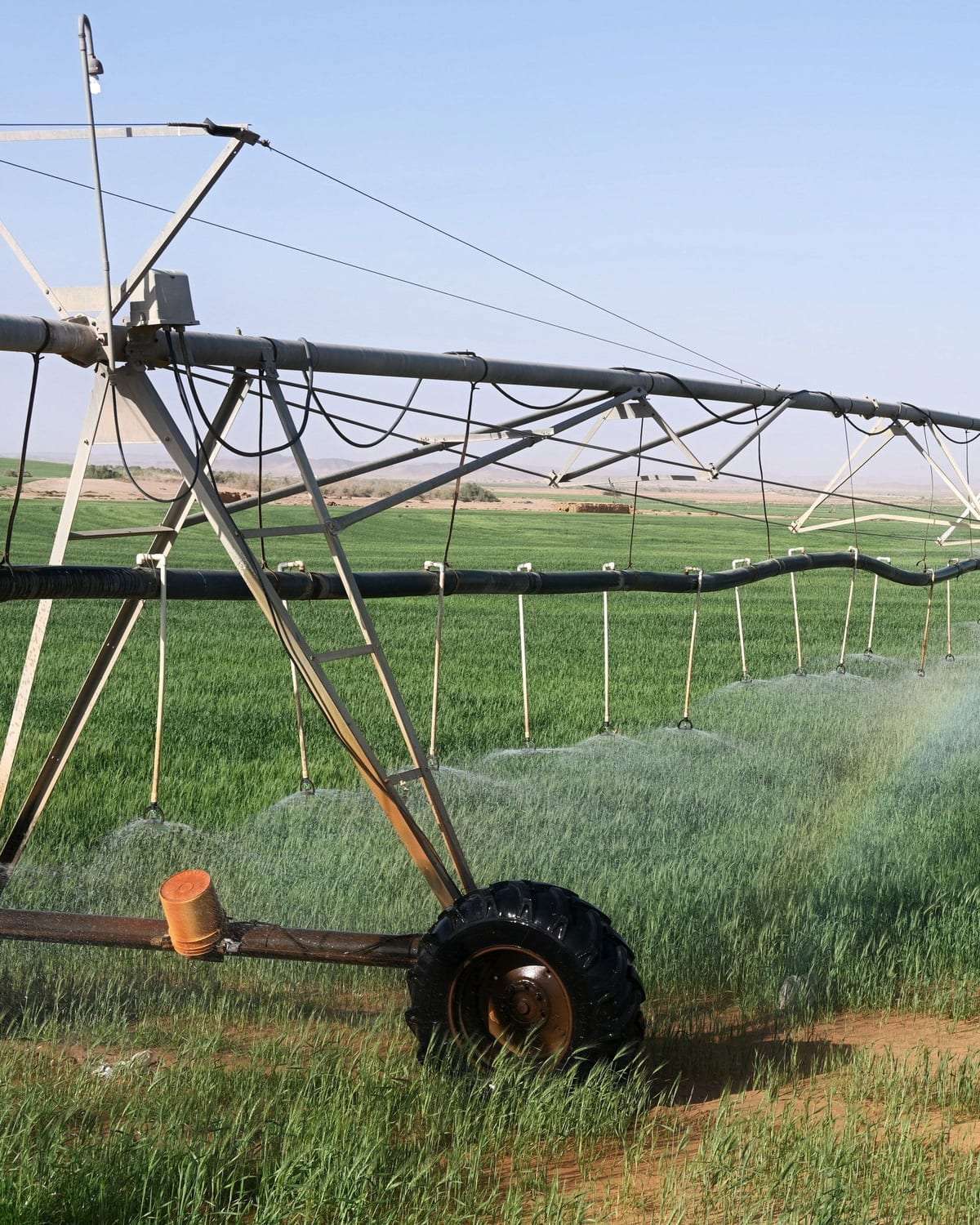
The further the panels are from the main switchboard, the longer and thicker the cables needed to limit losses. On factories and farms the distance between a ground array and the building or borehole pump can be long, making cables and trenching a clear line in the quote.
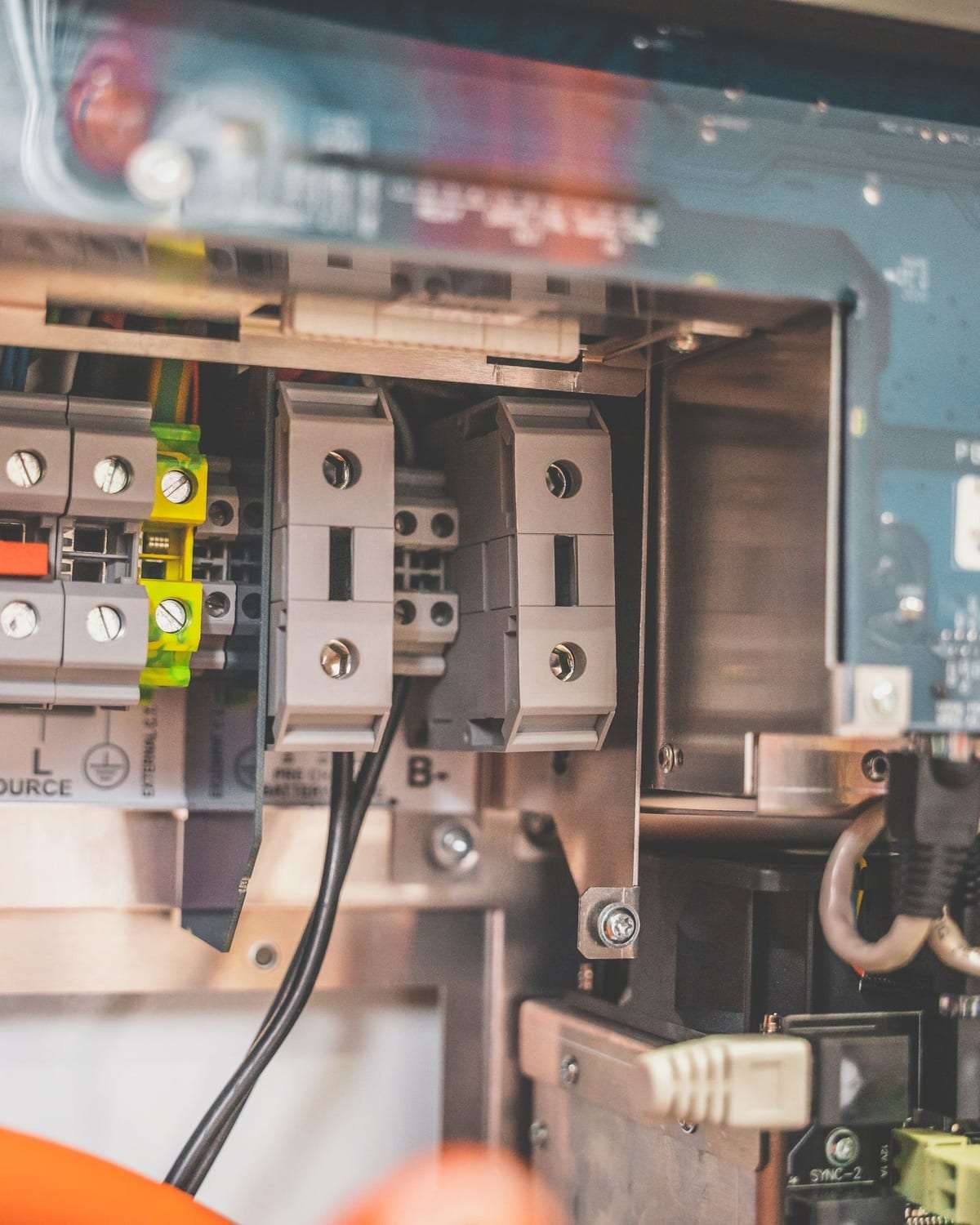
Sometimes the switchboard itself needs modifying or upgrading to take the system. That work is for a licensed electrical contractor and should be in the quote, not a surprise after signing.
Roof condition
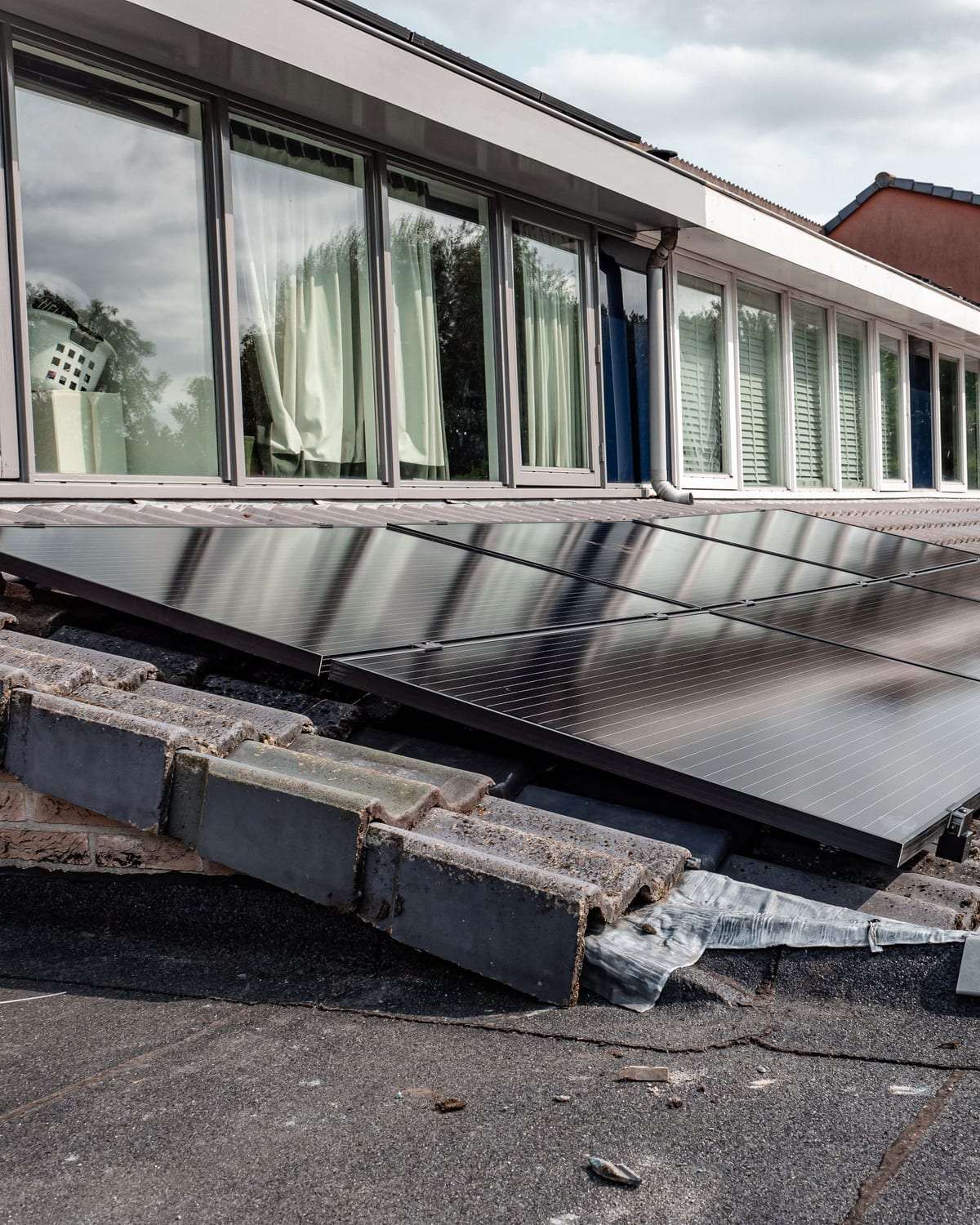
A roof that needs waterproofing or repair soon should be dealt with before installation, because removing and refitting the system later is costly. The roof’s load capacity must also be confirmed, especially on light metal roofs and older buildings, which may need a structural assessment.
Some quotes include this work and some don’t, so ask clearly: who covers waterproofing and any strengthening needed?
Grid-connection requirements
A grid-connected system goes through an application to the Saudi Electricity Company under the small-scale solar regulation, with a technical review, an inspection and a bidirectional meter. These steps take time and effort, may involve fees, and are usually handled by the installer.
Make sure the quote states who handles the procedures and whether any fees are included or separate. We don’t list fees or timelines here because they follow the applicable regulation. Details in our grid connection guide.
Site access
A high roof needs a crane or scaffolding, a remote farm means moving equipment and crews over long distances, and a working factory may require installation at set times under strict safety rules. All of this goes into installation cost, even when the equipment is identical between two sites.
Warranties
The cheapest quote may be cheaper because its warranties are shorter or weaker. Compare the panel product warranty, the performance warranty, the inverter warranty, any battery warranty and the installer’s workmanship warranty. Ask who handles claims: the installer, or you with the manufacturer?
A long warranty from a company you can’t reach is worth less than a shorter one from an installer present in your area. Read our warranties and maintenance guide.
The O&M contract
Dust reduces output, and inverters and connections need regular checks. Some quotes include a period of maintenance and cleaning; others offer it as a separate contract. Look at how often and how panels are cleaned, remote production monitoring and response times for faults.
Don’t compare a quote that includes operation and maintenance with one that doesn’t as if they were the same.
How to compare quotes on the same scope
A fair comparison starts by aligning the scope. Before looking at the price, check these points in every quote:
- Same size: capacity in kWp stated clearly, with expected production and how it was calculated.
- Same equipment class: panel and inverter class and efficiency, from approved equipment for grid connection.
- Same mounting: roof, ground or carport, and the type of structure.
- Same batteries: whether included, and their type and capacity.
- Same warranties: the length of each warranty and who gives it.
- Same included work: cabling, switchboard changes, waterproofing, connection procedures and maintenance.
- A qualified installer: proof of qualification and licensing, checked by you.
If two quotes differ a lot in price, the reason is usually one of these points. Ask each installer to explain the difference in writing. Read how to compare solar quotes.
FAQ
Why don’t you publish prices?
Because costs vary a lot with size, equipment and site, and any general figure could mislead you. It is more accurate to request written quotes for your site and compare them on the same scope.
How much does solar cost for my home?
It depends on system size, batteries and roof condition. Keep in mind that residential electricity is relatively cheap, so a small home with a low bill may take many years to pay back. Read is solar worth it?.
Is a bigger system better value?
Not always. Some fixed costs spread over a larger system, but a system bigger than your daytime use may export surplus that is credited under the regulation, not at the value of your direct consumption.
Is the cheapest quote the best?
First compare on the same size, equipment, warranties and included work. A large price gap usually has a reason in one of them.
Does the calculator give me a price?
No. The solar calculator gives a rough estimate of system size and area; prices come from installers’ quotes after a survey.
Is your service free?
Yes. SaudiSolar is a free service to request and compare quotes; we don’t sell or install. The contract and warranty are between you and the installer you choose.
We deliberately show no prices on this page. Solar installers set prices in their offers based on the system size and your site’s details, and the contract is between you and the installer you choose. This guide is general information, not technical, financial or legal advice.