For businesses, farms and homes
Solar operation, maintenance and cleaning
A solar system doesn’t need much maintenance, but it needs it regularly. In Saudi conditions dust builds up on panels quickly, heat stresses inverters and connections, and a small fault nobody notices can run for weeks while output quietly drops.
Whether you have a system on a warehouse roof, a solar pump on a farm or panels on your villa, send one request with the system type, size and city, and qualified companies serving your area send quotes for cleaning or a full O&M contract.
What operation and maintenance covers
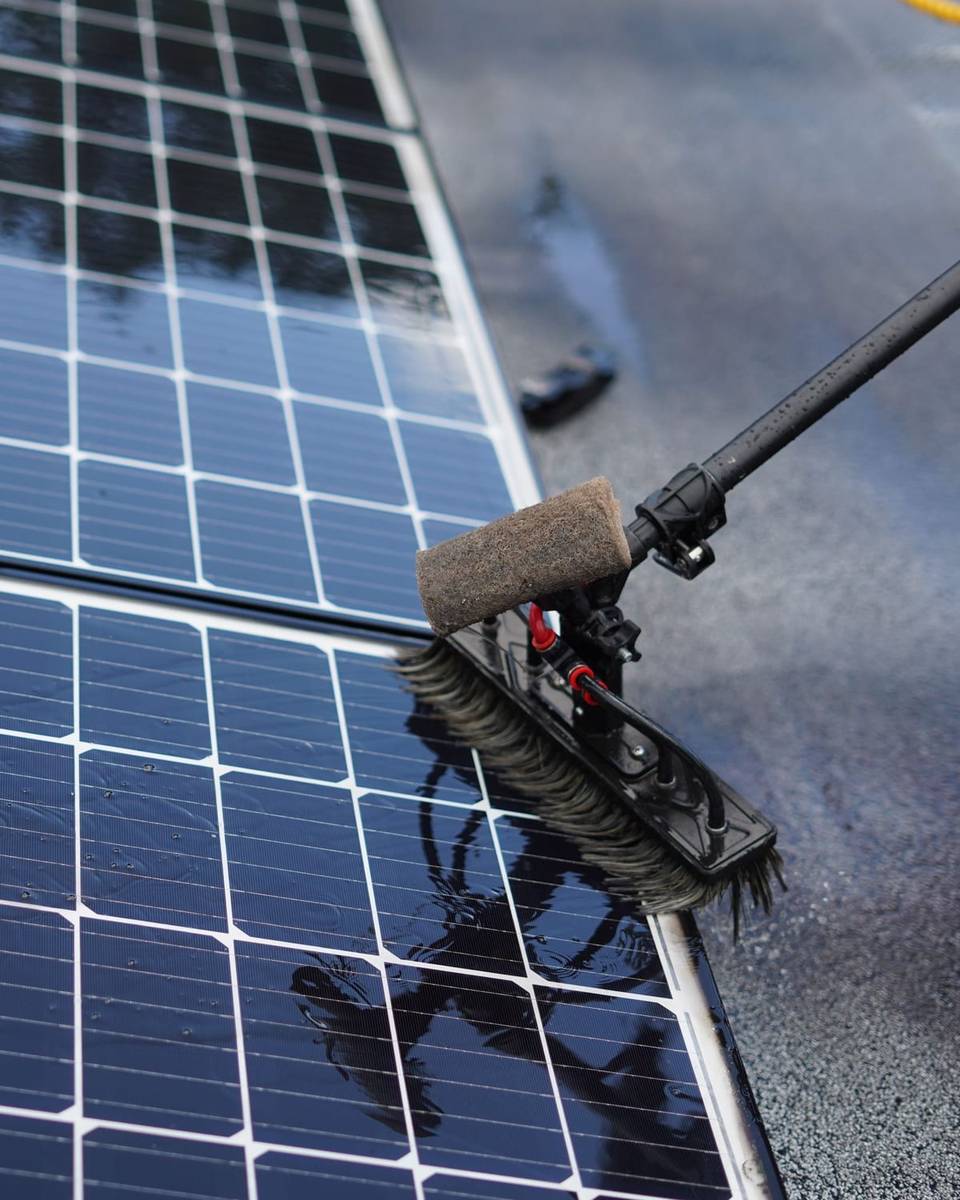
O&M is three linked jobs: cleaning dust off the panels, regular inspection of inverters, switchboards, cables and mounting, and daily monitoring of production to catch any drop or fault early.
Some companies clean on request only; others offer an annual contract with scheduled visits, reports and fault response. Large systems at factories and warehouses usually need a full contract, while a small home system may only need regular cleaning and a yearly check.
Who this service is for
Commercial and industrial sites
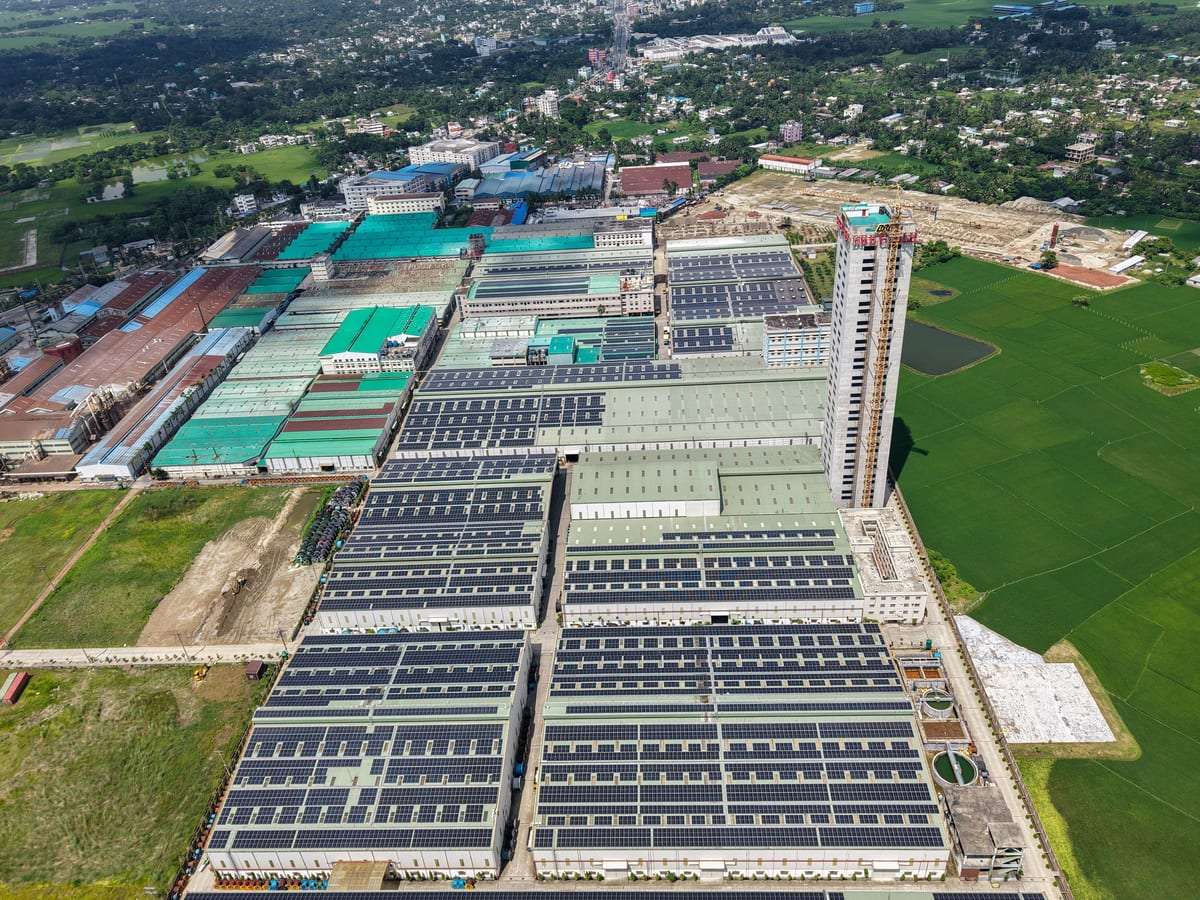
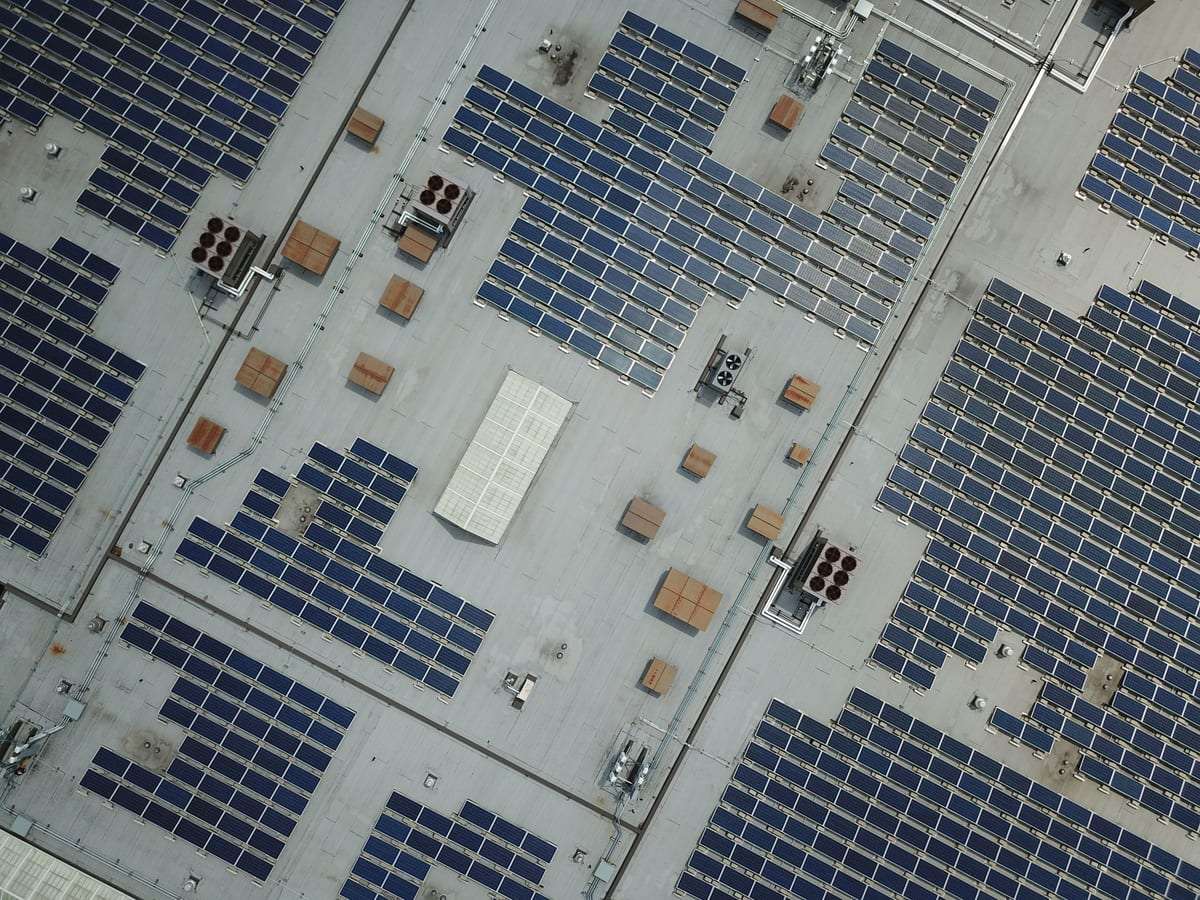
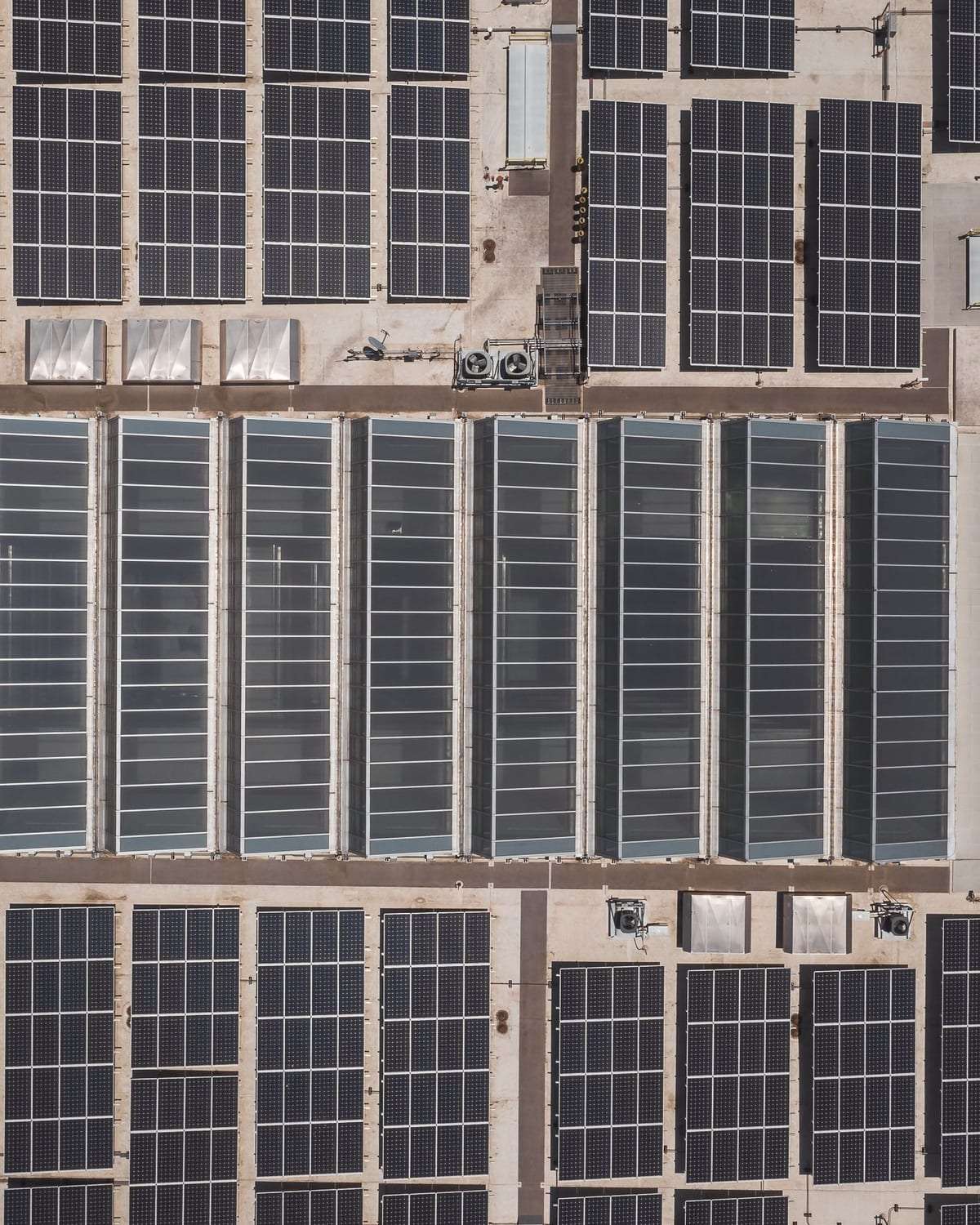
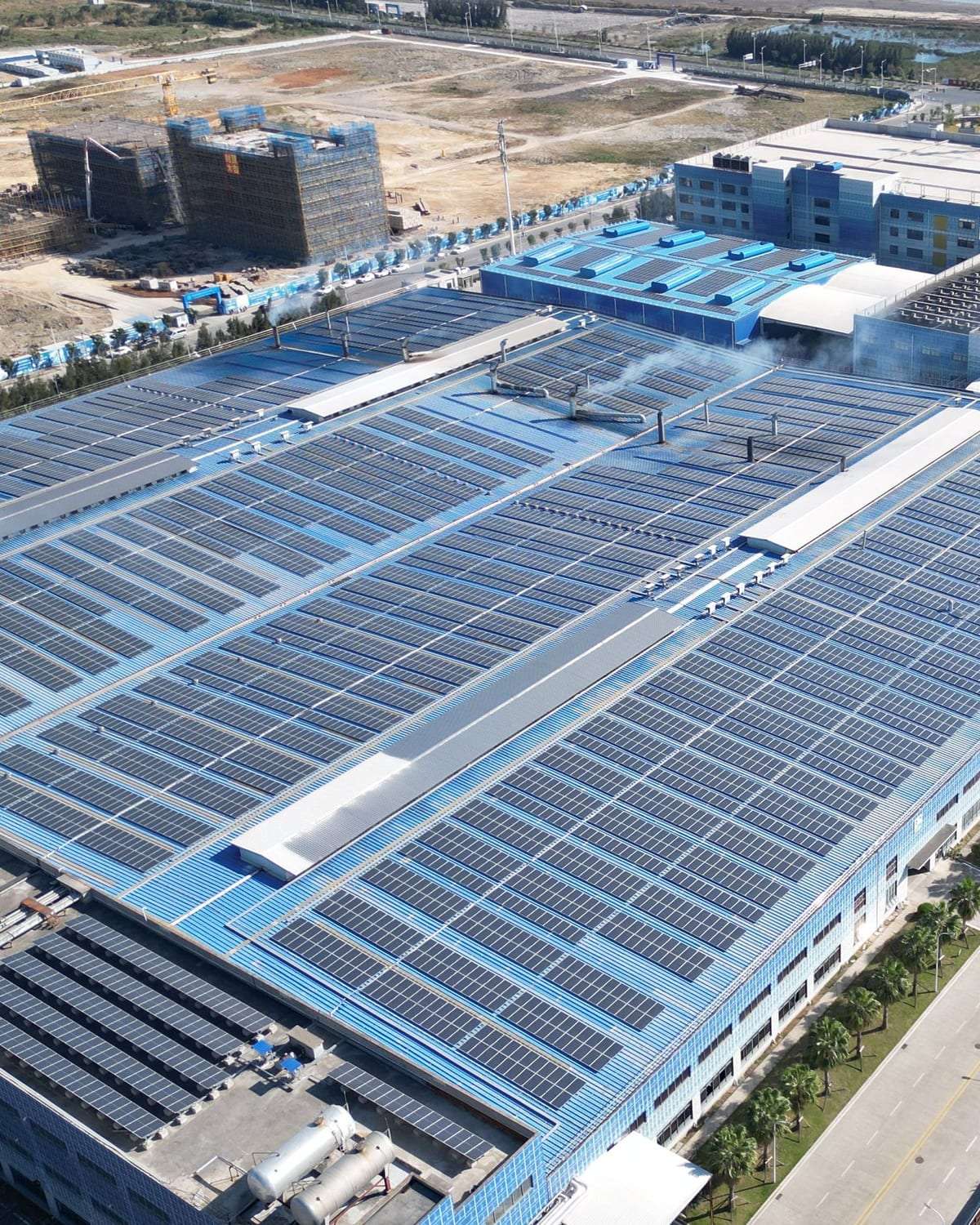
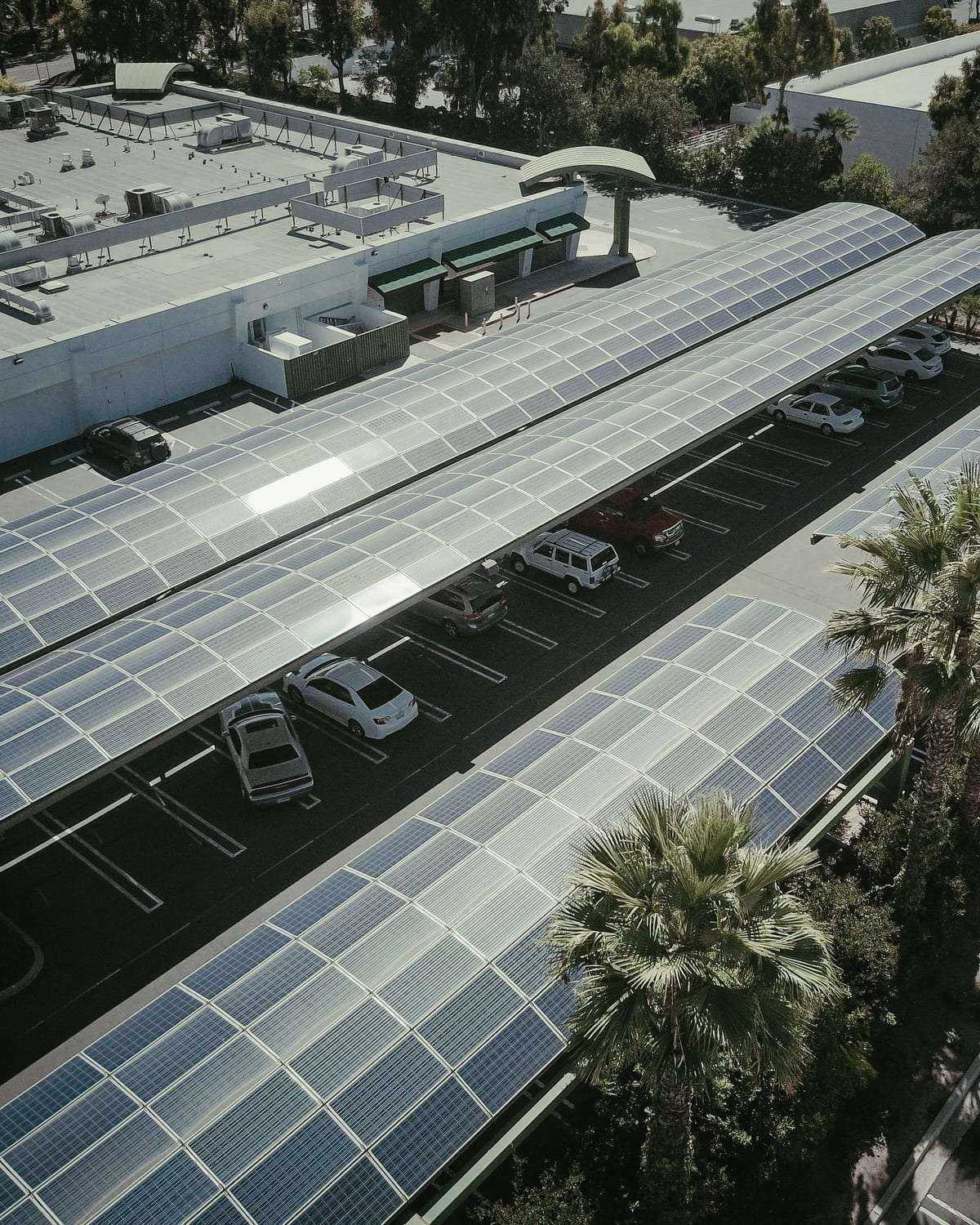
Owners of commercial rooftop, ground-mounted and carport systems, where any drop in output shows up on the electricity bill. A full contract with monitoring and reports is the logical choice.
Farms and remote sites
Solar pumps and off-grid systems on exposed sites where dust builds up fast and a fault means no irrigation or no power. Checks here include batteries, the pump and controllers.
Villas and homes
Usually regular cleaning, a yearly check and a glance at the app. If the system hasn’t been serviced for a while or the installer is no longer around, start with an inspection visit before any contract.
What gets checked
Panels
Cleaning, a visual check for cracks and discolouration, and thermal imaging to find hot spots that point to a damaged cell or a poor connection.
Inverters
Reading the fault log, cleaning vents and fans, and checking the inverter isn’t derating because of heat.
Connections and cables
Connectors and cable ends, tight terminals in switchboards, sound insulation and cables protected from the sun.
Protection and earthing
Breakers, surge and lightning protection and earthing — the first line of safety for the system and the building.
Mounting and roof
Secure frames and bolts, no corrosion — especially near the coast — and intact waterproofing around fixing points.
Batteries, if any
Their condition, the temperature and ventilation of the battery space, and the charge history in the management system.
The first inspection visit
A serious company starts with an inspection before any contract: it compares production data with what is expected, checks panels, inverters and switchboards, and records findings with photos. That shows whether the system only needs cleaning or needs repairs first.
Have the drawings ready if you have them, the monitoring login and any existing warranties. If the system is still under the installer’s warranty, make sure work by another company won’t affect it.
Safety: who should do the work
Cleaning happens on high roofs around electrical equipment, and panels produce DC voltage whenever light falls on them — even with the breaker off. So we don’t advise climbing roofs, opening switchboards or disconnecting anything yourself.
Any work on inverters, switchboards, cables or batteries should be done by a qualified technician from a licensed company, with proper equipment for working at height. On grid-connected systems, replacing an inverter or modifying the system may need coordination with the relevant authority and equipment from the approved class.
Cleaning in dust and heat
Dust and sand block part of the light until panels are cleaned, more so after dust storms and near roads, factories and open land. Heat lowers panel efficiency too, but that is handled by design and ventilation, not cleaning. How often to clean depends on the site and what monitoring shows — there is no single schedule.
Manual cleaning with water and a soft, long-handled brush is the most common method. Use low-mineral water where possible, because hard water leaves a white film, and clean early in the morning or near sunset — cold water on a hot panel at midday can stress the glass. Avoid harsh detergents, stiff brushes and high pressure.
Large systems sometimes use cleaning robots that travel along panel rows, some of them waterless. They suit long, regular rows and sites where water is scarce, but they are an investment that needs its own study. More in our guide to dust, heat and cleaning.
What an O&M contract should say
- Scope
How many cleaning and inspection visits per year, what each includes, and whether thermal imaging is part of it.
- Monitoring
Who watches the platform and how alerts and production drops are handled.
- Response time
How quickly a technician arrives after a fault, and whether this differs for a full or partial outage.
- Reports
A report with photos after every visit, and a periodic production report against expectations.
- Spare parts and repairs
What is covered, what is charged separately, and who handles warranty claims with the manufacturer.
Maintenance and warranties
Some manufacturer warranties assume proper operation and maintenance, and neglect or unqualified repairs can weaken a claim. Keep maintenance reports and fault logs, and ask the maintenance company about its own warranty on repairs and replaced parts. More in our warranties and maintenance guide.
What affects the cost of maintenance?
We don’t publish prices; cost depends on the system and the site. The main factors:
- System size
The number of panels and inverters and the area to clean.
- Visit frequency
How often cleaning and inspections happen, and whether thermal imaging is included.
- Access and safety
Roof height, safe walkways and any need for lifting equipment.
- Water and location
Whether suitable water is available, and how far the site is from town.
- Service level
Monitoring, response time, reporting and included spare parts.
Compare quotes on the same scope, number of visits and response time, not on price alone. See our solar cost guide.
Payment in general
Maintenance contracts are usually paid yearly or in instalments. Sometimes they are bundled with the installation, or part of a model where you pay for the electricity produced and the provider carries the maintenance. Read the terms and know who is responsible for output.
Questions to ask a maintenance company
- Are your technicians qualified for electrical work and working at height?
Ask for the commercial registration and licence, and about safety procedures.
- How do you clean, and with what water?
Water type, brushes, timing and any chemicals used.
- Does the inspection include thermal imaging?
It finds hot spots and poor connections before they get worse.
- What is your response time for faults?
Get it in writing, with how to reach you.
Solar cleaning and maintenance: common questions
How often should I clean solar panels?
It depends on your site and how dusty it gets. Watch production in the app: if output falls clearly after dusty days, it’s time to clean. The company can suggest a schedule after the first visit.
Can I clean the panels myself?
If they are at ground level and safely reachable, you can rinse them with clean water and a soft brush without touching cables or the inverter. Leave high roofs to a team with proper safety equipment.
Is well water suitable for cleaning?
Well water is often high in minerals and leaves a film on the glass. Low-mineral water is better, so ask the company how it handles sites with hard water.
How do I know something is wrong with my system?
Lower output than on similar days, repeated inverter alerts, or unusual smells or noise from switchboards. Ask a qualified technician to inspect it and don’t open the boards yourself.
My installer is gone — what now?
Ask a qualified company for an inspection visit, gather any drawings, warranties and monitoring details, then decide whether you need repairs or a maintenance contract.
Do you do the maintenance yourselves?
No. SaudiSolar only compares offers: with your consent we pass your request to qualified companies, and the contract is between you and the company you choose.
Related services
Helpful guides
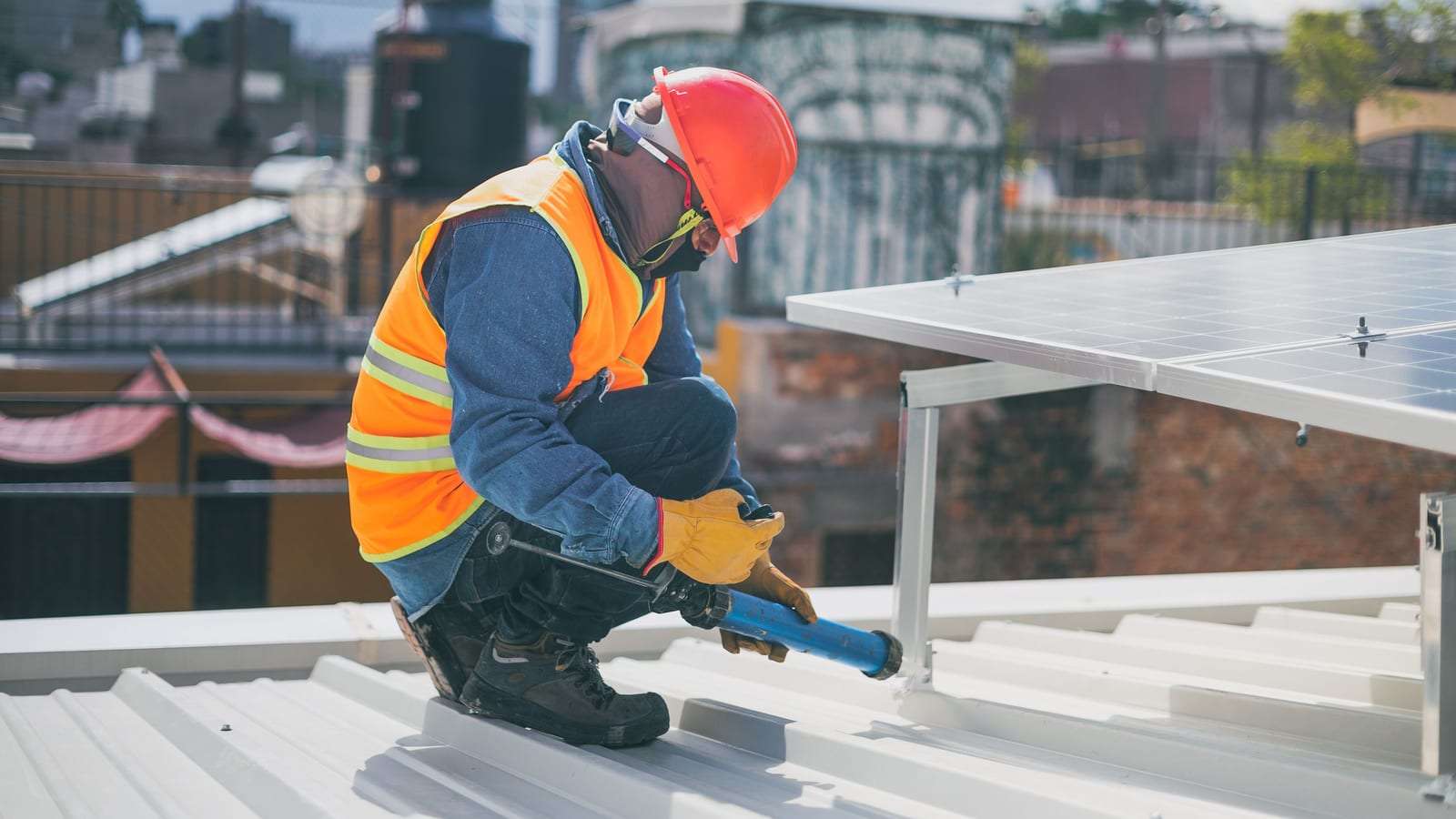
Get cleaning and maintenance quotes for your system
One request with your system type, size and city brings quotes from qualified companies. Free, no obligation.