For businesses
Commercial rooftop solar
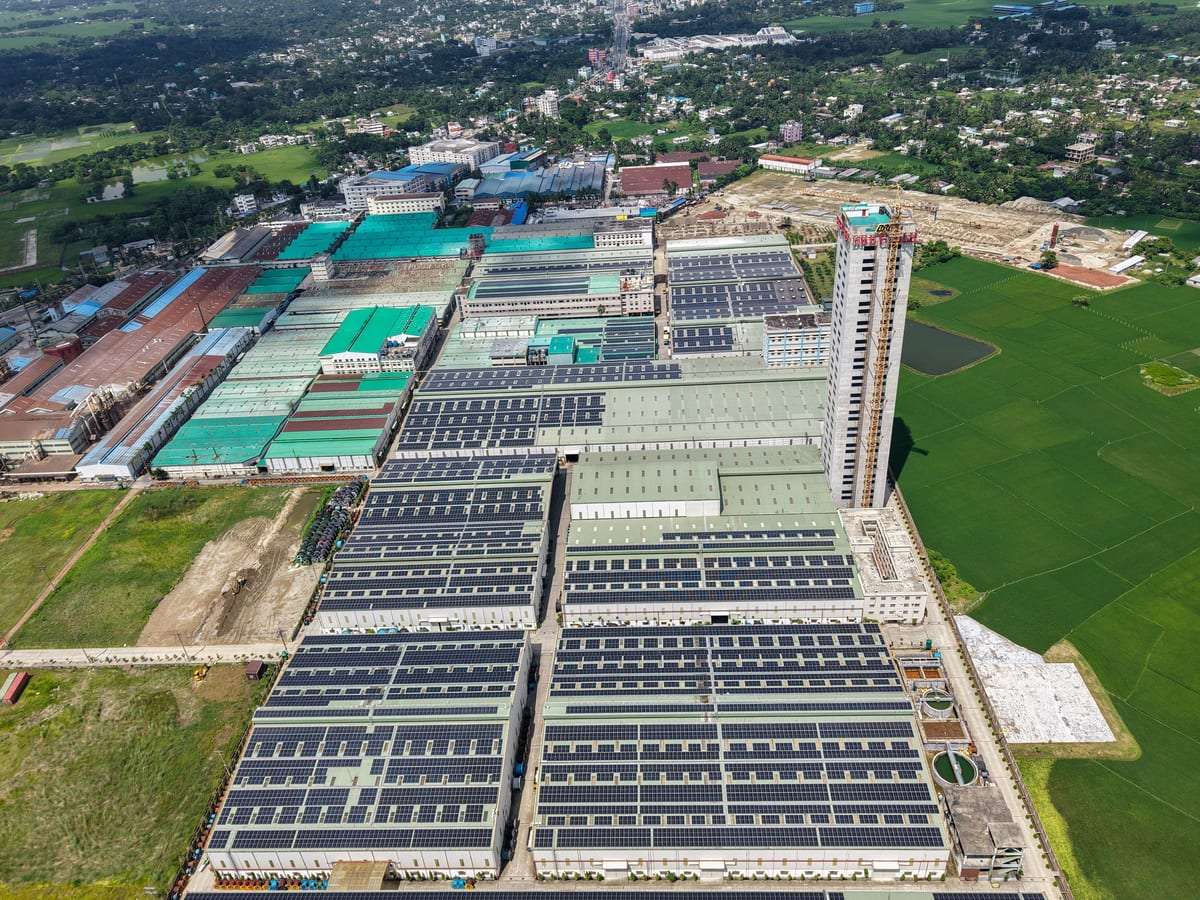
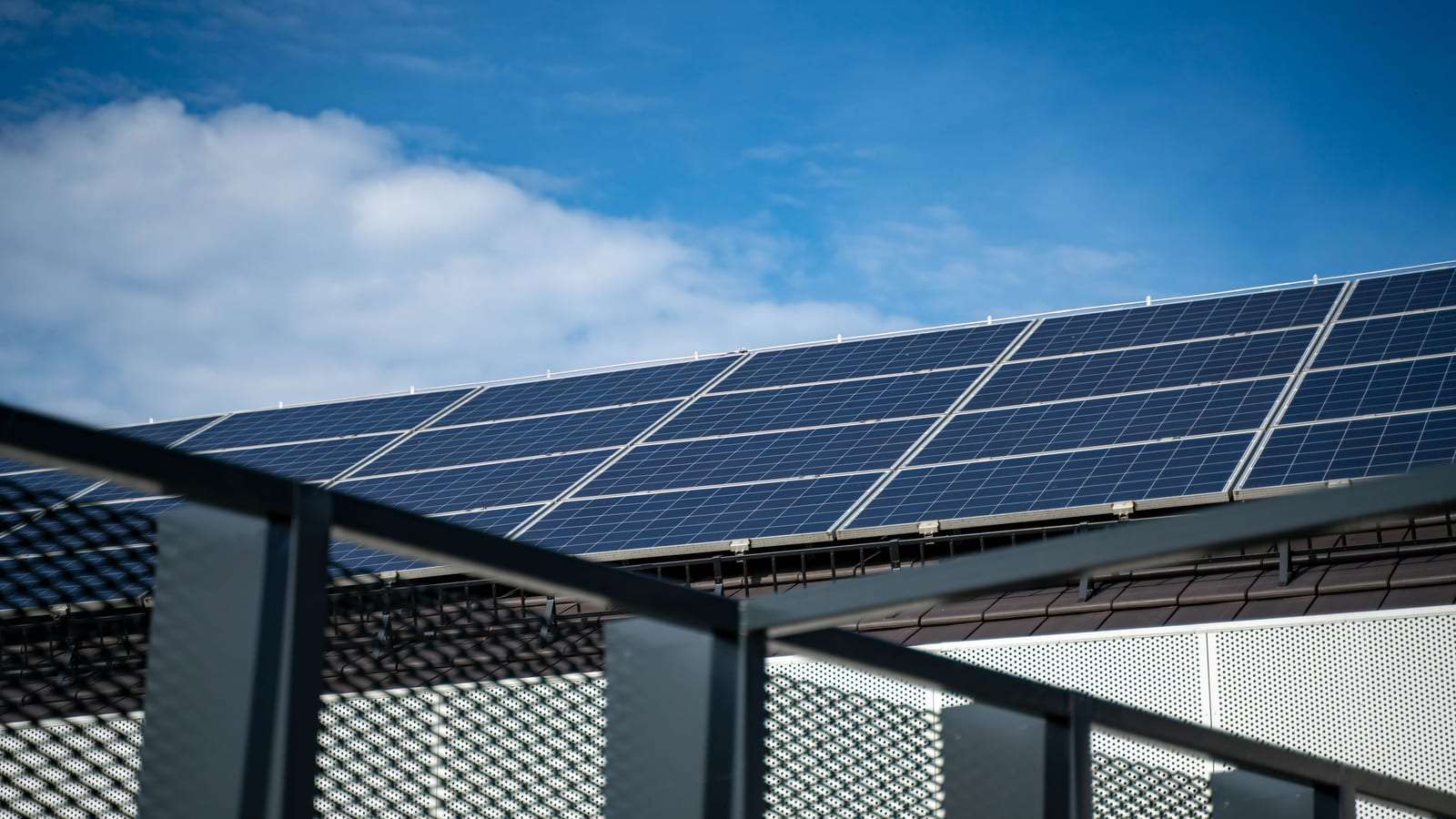
Most commercial buildings use most of their electricity during the day — cooling, offices, lighting, refrigeration and production lines — which is exactly when solar panels produce. That makes a warehouse or commercial roof one of the clearest places where solar makes sense.
Send one request with your type of business, city and approximate electricity bill, and qualified solar installers serving your area send quotes you can compare on the same system size and equipment class.
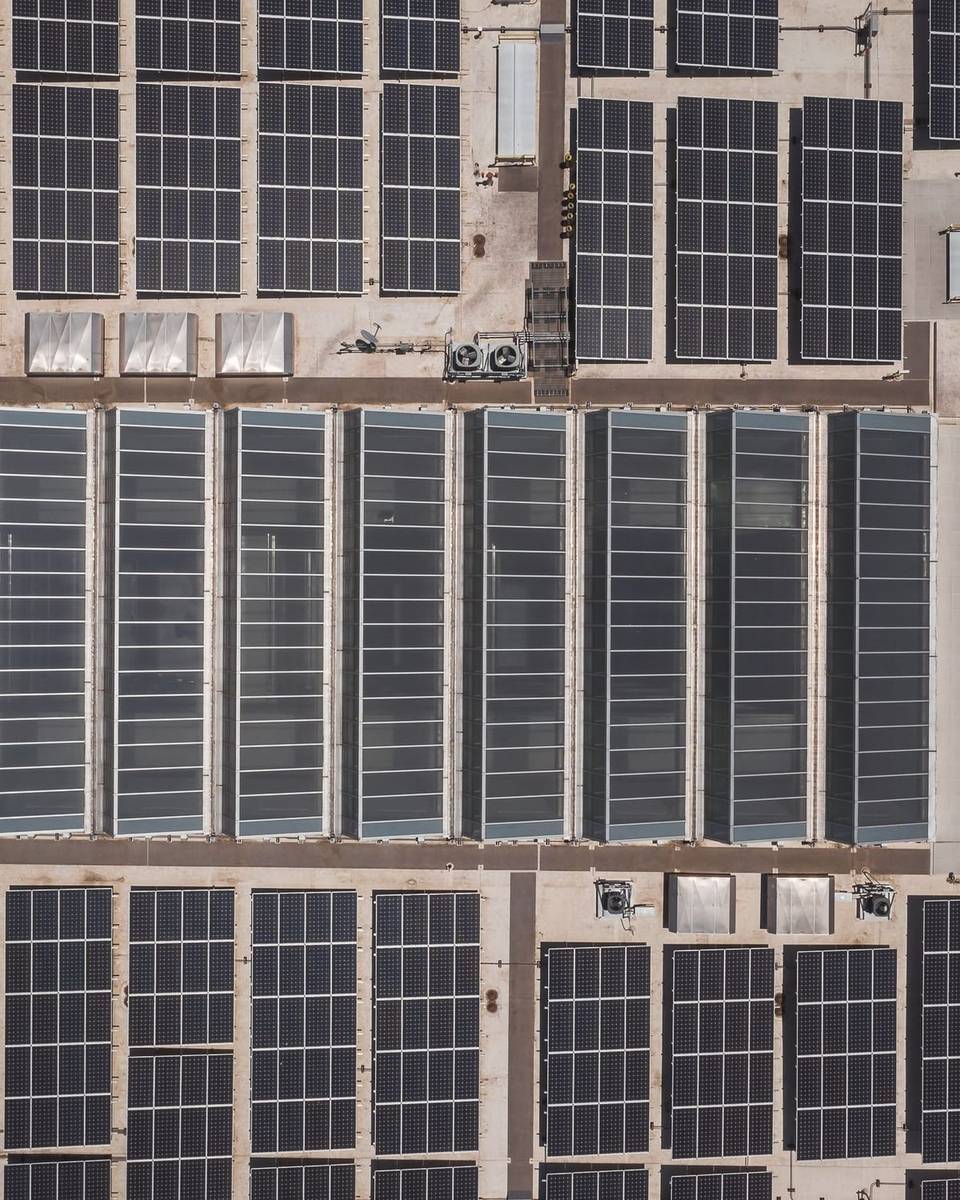
How a commercial rooftop system works
Panels on the roof turn sunlight into direct current (DC), and the inverter converts it into alternating current (AC) that feeds the building’s loads directly. What the system produces is used inside the building first, so you draw less from the grid during the day — that is where the savings come from.
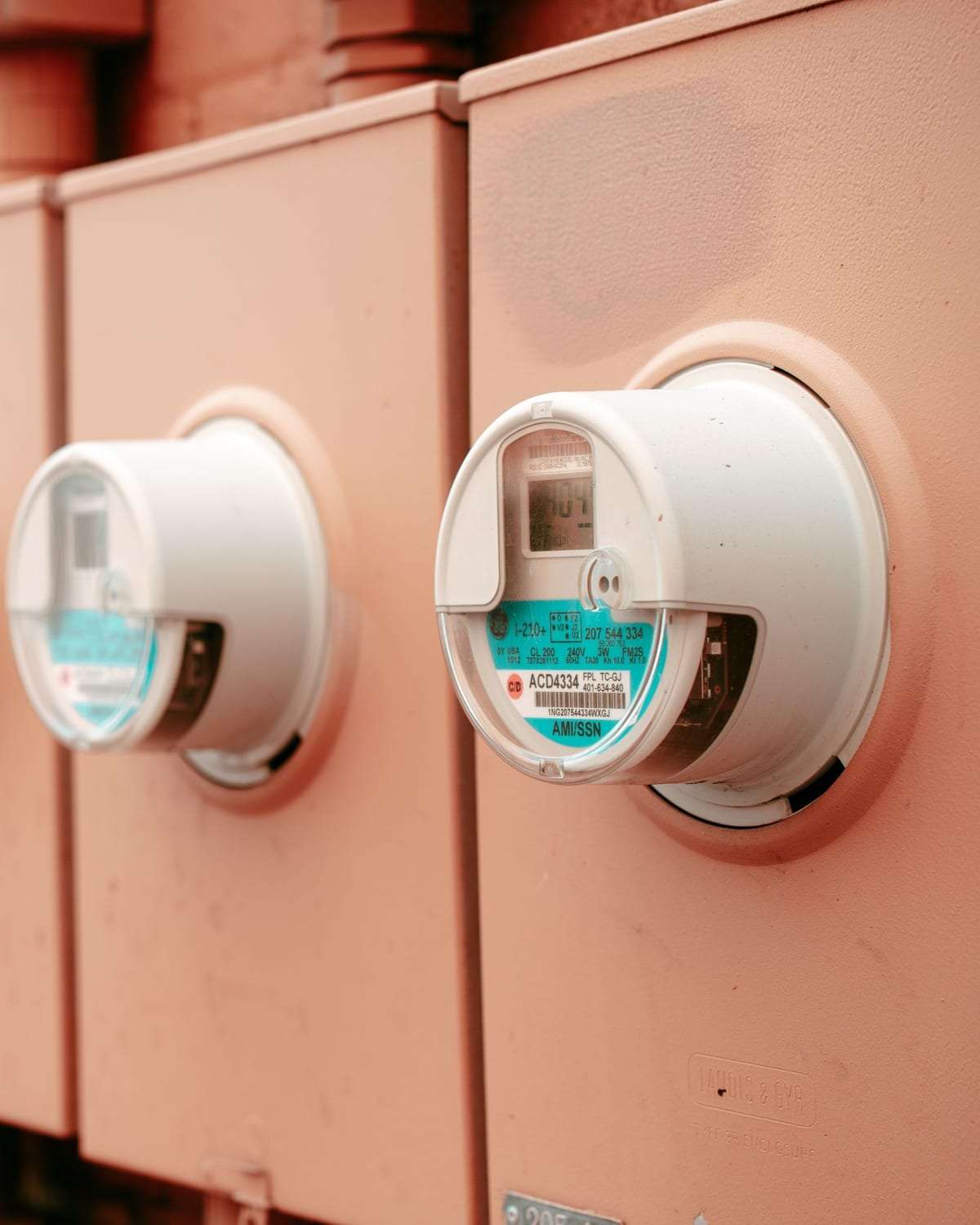
Grid-connected systems get a bidirectional meter, and any surplus the building doesn’t use is exported and credited under the applicable regulatory framework. Details on grid-connected solar.
Who it suits — and who it may not
Rooftop solar is an excellent decision for some businesses and less so for others. Being clear saves you time:
Usually a good fit
Businesses with high daytime use and large bills, such as warehouses, shopping centres, schools and offices — provided there is a large, unshaded roof in good structural condition.
Needs a closer look
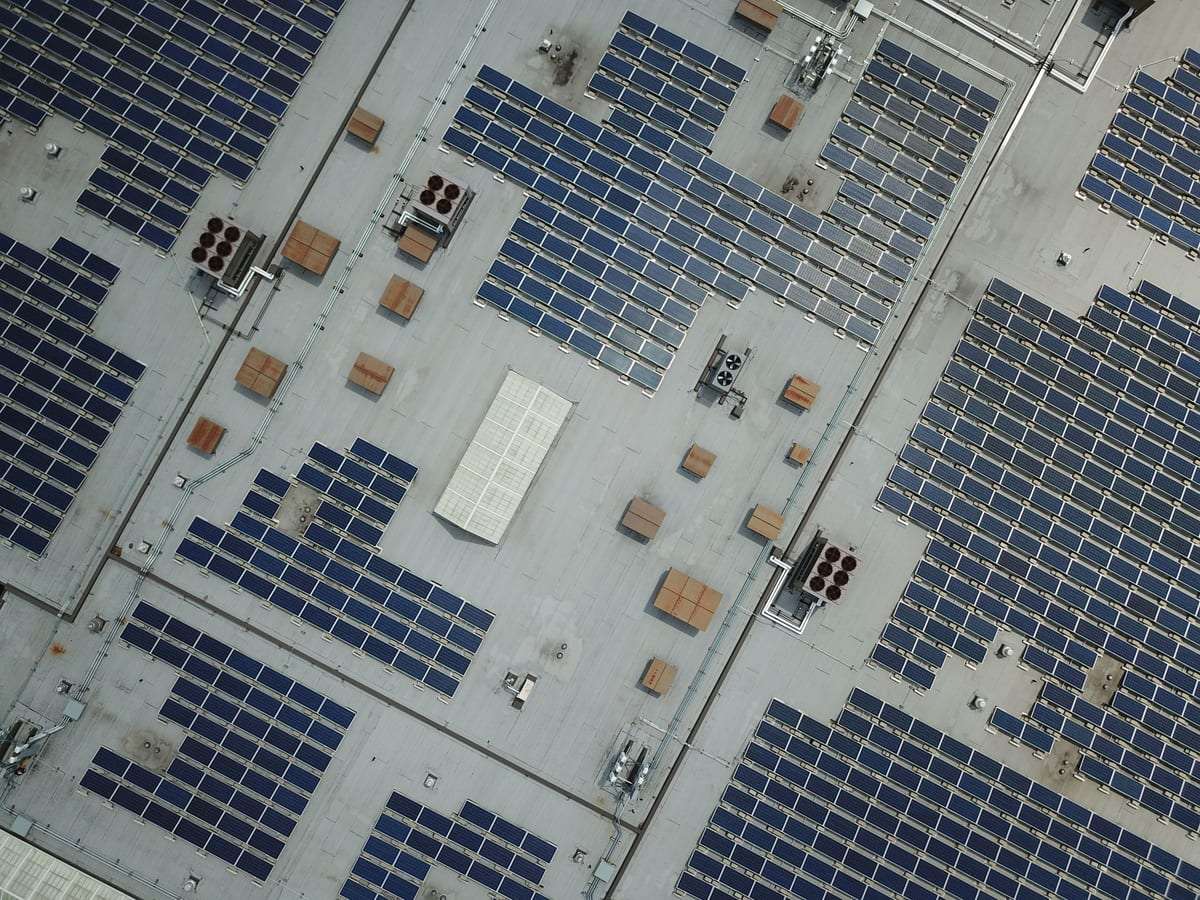
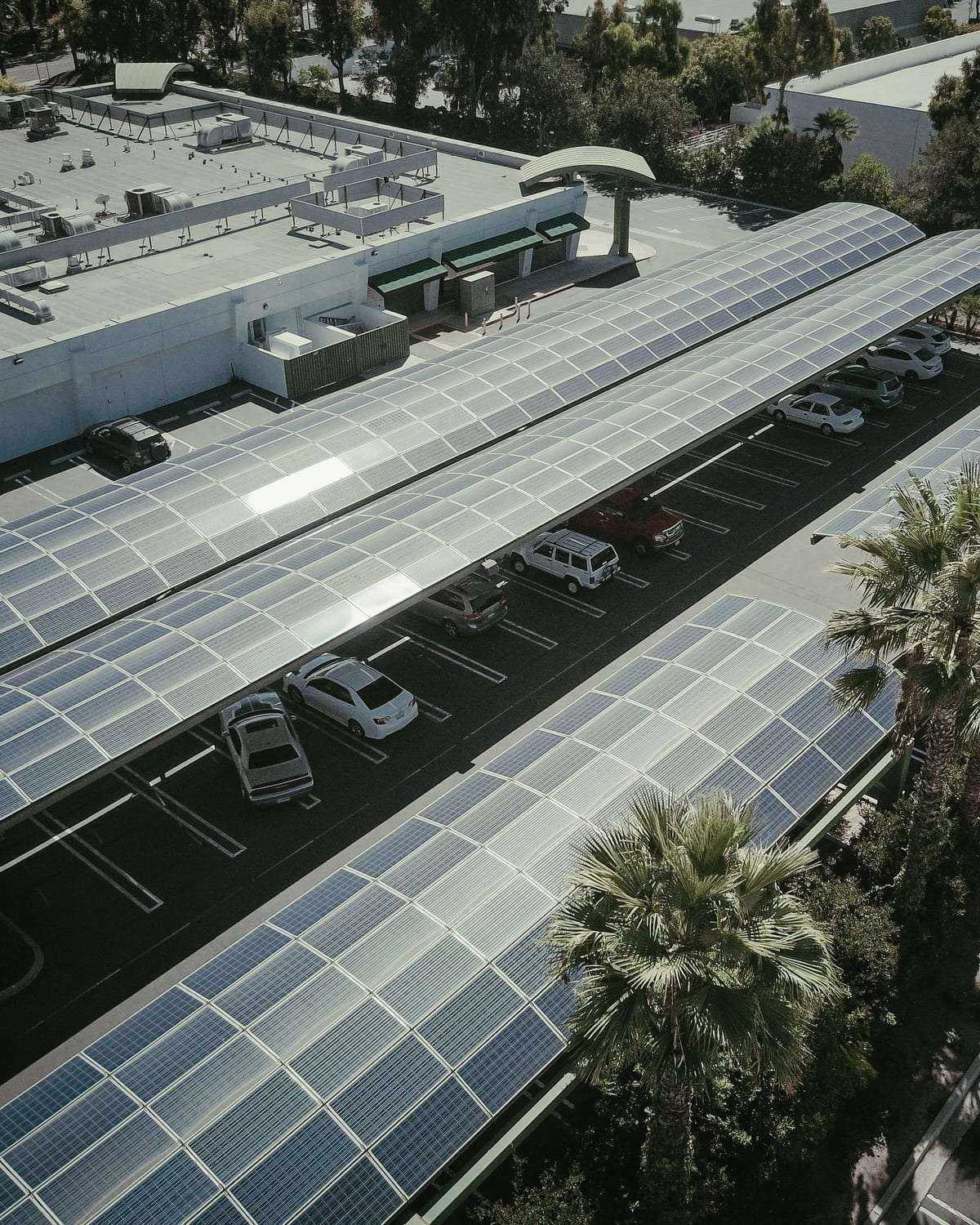
Sites that mostly run at night, roofs crowded with AC units, or buildings on a short lease. You may need batteries or another space such as carports.
May not pay off yet
Very small businesses with low bills, or buildings whose roof needs repair soon. Start with an energy audit before committing.
System components in general terms
Solar panels
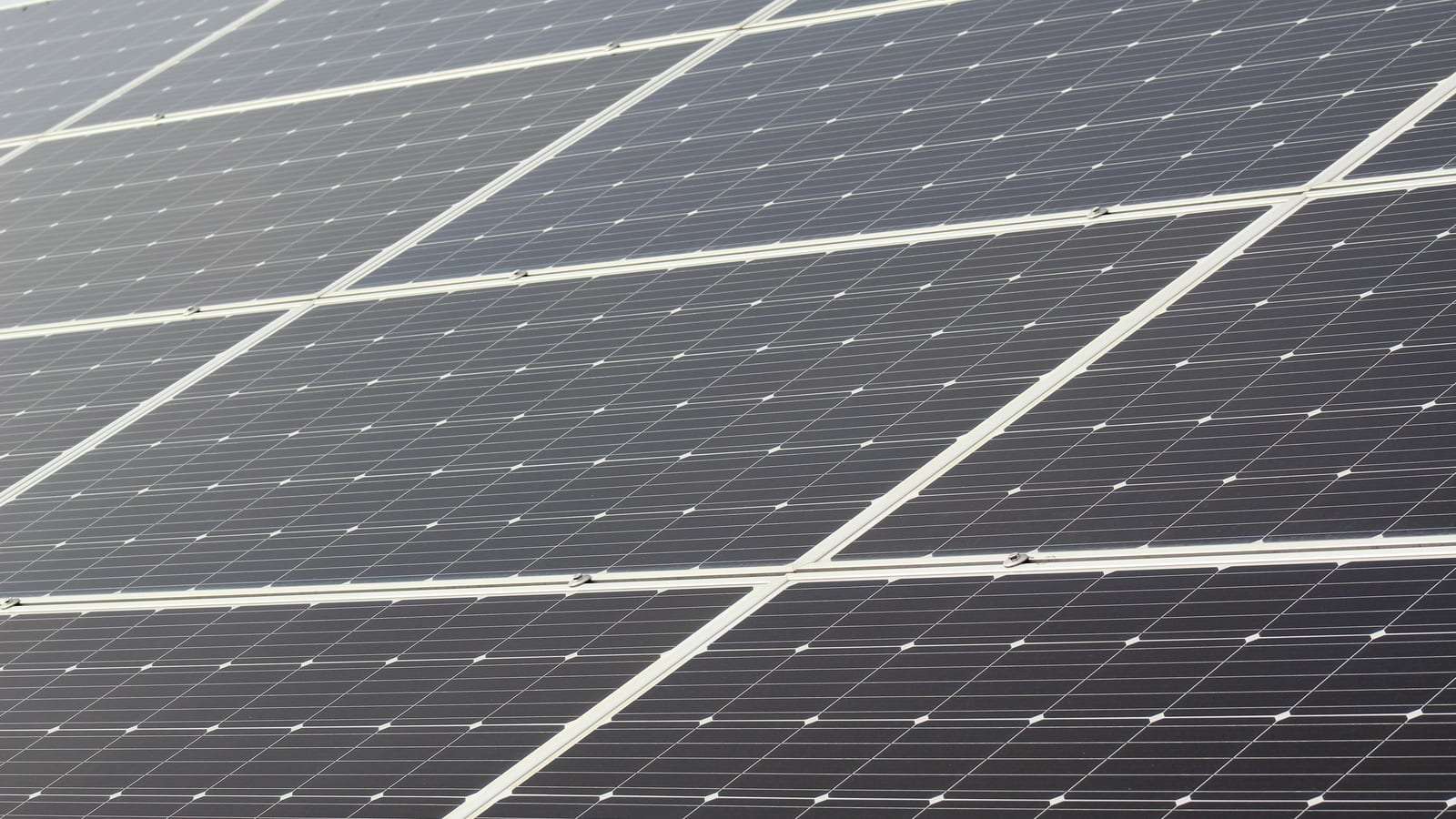
Usually monocrystalline, differing in power, efficiency and heat tolerance. What matters is an approved class and a clear warranty — not a particular name.
Inverter
Central or string inverters, chosen by system size, panel layout and roof shading. The component that most needs ventilation and protection from heat.
Mounting structures
Ballasted or anchored frames on concrete roofs, or rails on metal roofs, at a suitable tilt and orientation with access paths for maintenance.
Protection and cabling
Dedicated DC cables, breakers, lightning protection and earthing, and a connection panel tied into the building’s main switchboard.
Monitoring
A system that shows daily production and faults on your phone or computer, helping you spot drops caused by dust or a fault.
What happens during the site survey
A serious survey starts with the bills: the installer asks for at least a year of bills to understand consumption across summer and winter. Then the engineer measures the roof, identifies shading from tanks, AC units and parapets, and checks the roof type, condition and load capacity.
They also review the main switchboard, where the inverters will go, the cable route and access to the roof for installation and cleaning. Ask for a quote based on this survey, not on an estimate from photos alone.
Grid connection and requirements
Most commercial rooftop systems are connected to the grid. Connection goes through an official application to the Saudi Electricity Company under the small-scale solar regulation, with a technical review, an inspection and a bidirectional meter, and there are limits on system size relative to the subscription.
That is why equipment must come from the approved lists and a qualified contractor must handle installation and connection. If the building is leased, you will usually need the owner’s consent. Don’t start installing before the connection steps are clear.
Heat and dust: keeping output high
Saudi sunshine is strong, but very high temperatures lower panel efficiency slightly and accumulated dust blocks part of the light until the panels are cleaned. The difference between a maintained system and a neglected one shows clearly in annual production.
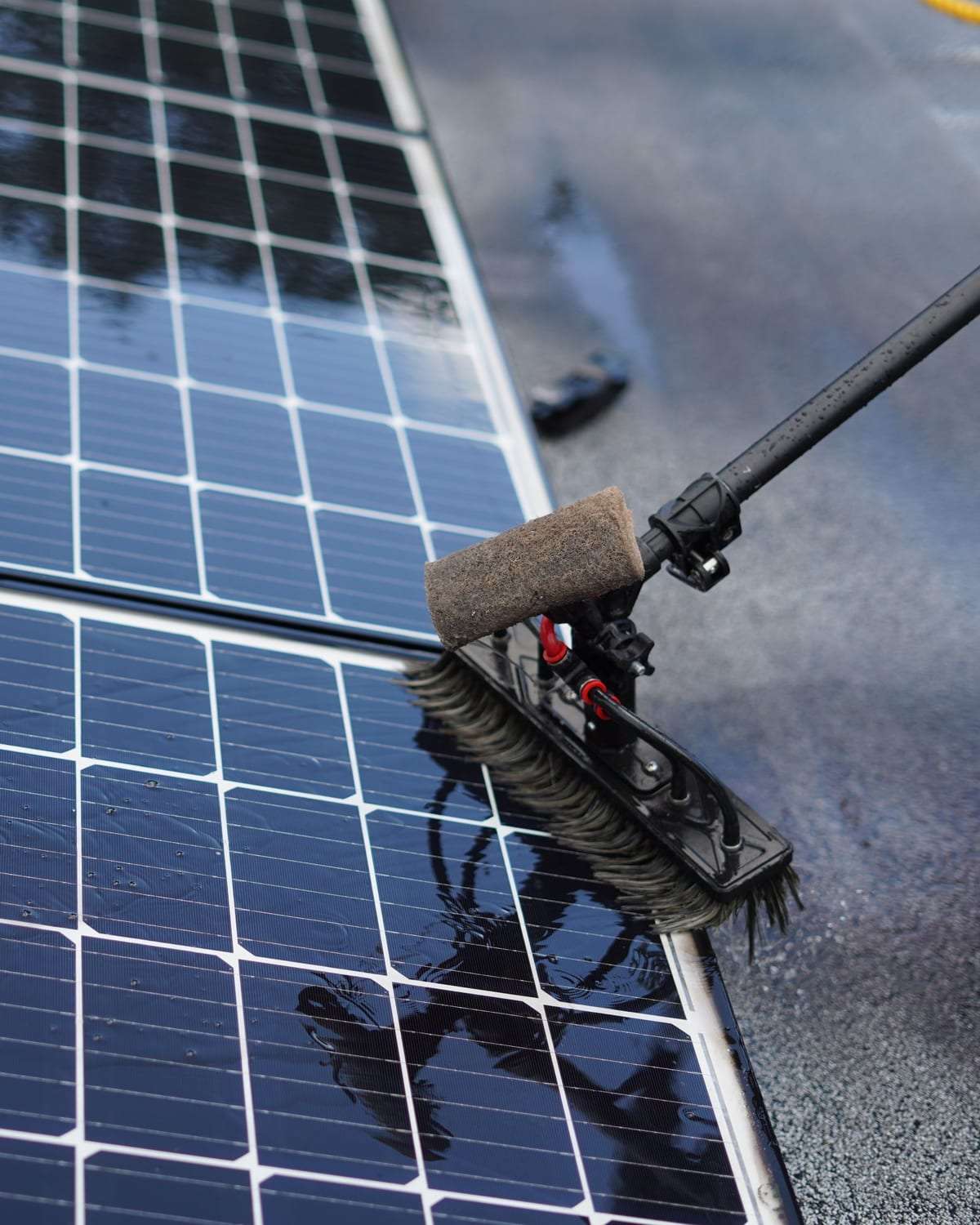
So plan from day one how panels will be cleaned (by hand with water and brushes, or automated systems), a safe walkway across the roof, and ventilation for inverters away from direct sun. Read our guide to dust, heat and cleaning.
Typical project steps
- 1. Request and bills
You send your request and electricity bills; installers contact you to book a survey.
- 2. Survey and design
Roof measurement, shading and load study, then a preliminary design with system size and expected production.
- 3. Written quote
A quote stating capacity in kWp, panel and inverter class, mounting, warranties, connection steps and timeline.
- 4. Approvals and installation
Connection procedures and required approvals, then installation and testing. Timing depends on size and approvals.
- 5. Commissioning and handover
The system is switched on after inspection, drawings and monitoring access are handed over, and maintenance is agreed.
Warranties to ask about
Distinguish three warranties: the product warranty on the panels (manufacturing defects), the performance warranty (that output declines only slowly over the years) and the inverter warranty, usually shorter. Add the installer’s workmanship warranty covering leaks, mounting and connections.
Ask for the length of each warranty and who gives it in writing, and how claims are handled: does the installer manage them, or do you go back to the manufacturer? More in our warranties and maintenance guide.
What affects the cost of a system?
We don’t publish prices because they vary a lot from site to site. These are the main factors:
- System size
Capacity in kWp is the biggest cost driver, set by consumption and available space.
- Equipment class
Panel efficiency, inverter type and warranty length.
- Roof type and mounting
Concrete and metal roofs differ, and height and access affect installation.
- Cabling and connection
The distance from roof to switchboard, and grid-connection requirements.
- Batteries
Storage adds cost and should only be added for a clear reason.
- Maintenance
The O&M contract and regular cleaning.
Compare quotes on the same capacity, equipment class and warranties. Read our solar cost guide and how to compare solar quotes.
Financing options in general
Some businesses pay for the system outright, some use financing from a lender, and some installers offer models where you pay for the electricity produced instead of buying the system. We don’t recommend lenders or quote rates — ask each installer which options are available and compare the terms carefully.
Questions to ask a solar installer before signing
- Are you qualified to install and connect grid-tied systems?
Ask for proof of qualification, commercial registration and electrical licence, and check them yourself.
- How did you size the system and estimate production?
Ask for the calculation in writing: the consumption used, sun hours and expected losses.
- Who handles the connection and approvals?
Make sure the installer does, with a realistic timeline in writing.
- What do the warranties and maintenance cover?
Each type of warranty, who manages claims and what the maintenance contract includes.
- How will I track production?
Is there monitoring, and who follows up alerts when output drops?
Commercial rooftop solar: common questions
Can solar power the whole building?
A rooftop system rarely covers all consumption, especially with cooling and night-time operation. The realistic goal is usually part of the daytime load. Try the solar calculator for a first estimate.
How much roof space does a system need?
It depends on system size, panel power, maintenance paths and shading. The calculator gives a rough figure; the survey sets the actual area.
Do panels cope with summer heat and dust?
Yes, but output drops in extreme heat and with accumulated dust. Regular cleaning and well-ventilated inverters keep production up.
Do I need batteries?
Not always. Most grid-connected business systems run without batteries. Batteries help when you need backup power or night-time supply.
Do you sell or install panels?
No. SaudiSolar only compares offers: with your consent we pass your request to qualified installers, and the contract and warranty are between you and the installer you choose.
How long does a project take?
It varies with system size and the approvals needed for connection. Ask the installer for a clear written timeline covering approvals and installation.
Compare rooftop solar quotes for your business
One request with your type of business, city and approximate bill brings quotes from qualified installers. Free, no obligation.