The honest starting point: home electricity is relatively cheap
Residential electricity tariffs in the Kingdom are relatively low compared with many countries. That is good for your bill, but it means each kilowatt-hour the panels save is worth a limited amount. If your bill is small for most of the year, the yearly saving will be small too, and payback from savings alone can take many years.
We don’t quote payback periods or savings percentages, because they depend on your actual consumption, tariff tiers, system size and cost. But the practical rule is clear: a modest villa with average use and a moderate bill is rarely the best case for solar if saving money is the only goal. Start with a rough estimate in the solar calculator, and read is solar worth it? before you ask for quotes.
Take two Riyadh examples. One is a two-storey villa for a small family, with a moderate winter bill that rises a little in summer. The other is a large villa with an annex, a pool and more than ten AC units, whose summer bill jumps sharply. The same system produces a similar amount at both, but what it saves is worth far more in the second house, because it cuts the most expensive consumption. So the question is not whether solar pays in general, but whether it pays for your house and your usage.
When does it make sense for a villa?
The picture changes in some situations, and often more than one applies:
- High summer bills
A large villa with many AC units, a pool and an annex, with summer use reaching the higher tariff tiers. Savings carry more weight here, because peak production coincides with peak cooling.
- Backup power
If outages are a real problem — medical equipment, or working from home — a hybrid system with batteries gives you something that doesn’t show on the bill.
- An electric car
Charging at home raises consumption, and planning the system and charger together is easier than adding each on its own.
- Sustainability and new builds
Some people want to produce part of their own electricity for environmental reasons, and a villa under construction is a chance to prepare the roof and conduits from the start.
The roof: tanks, AC units and parapets
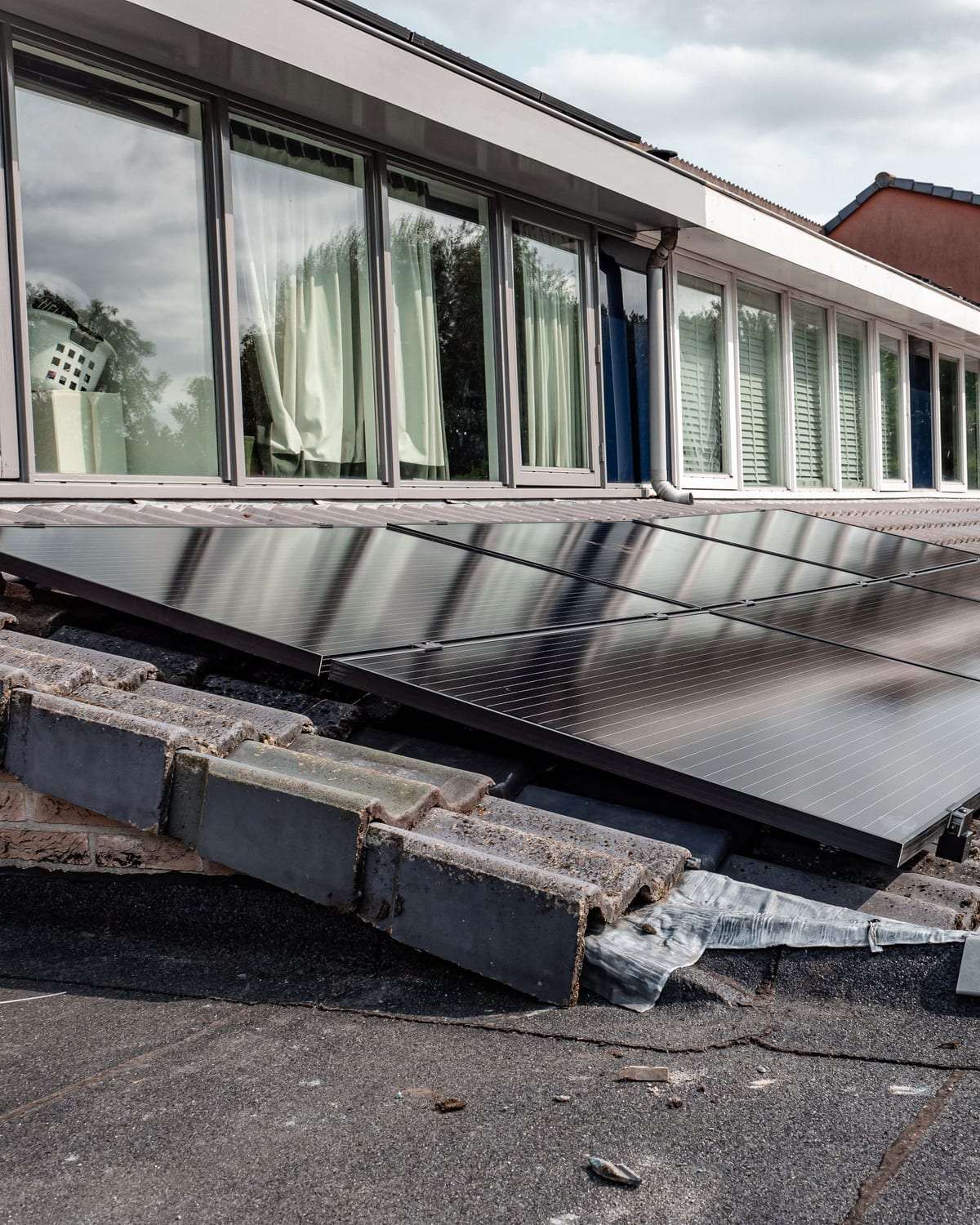
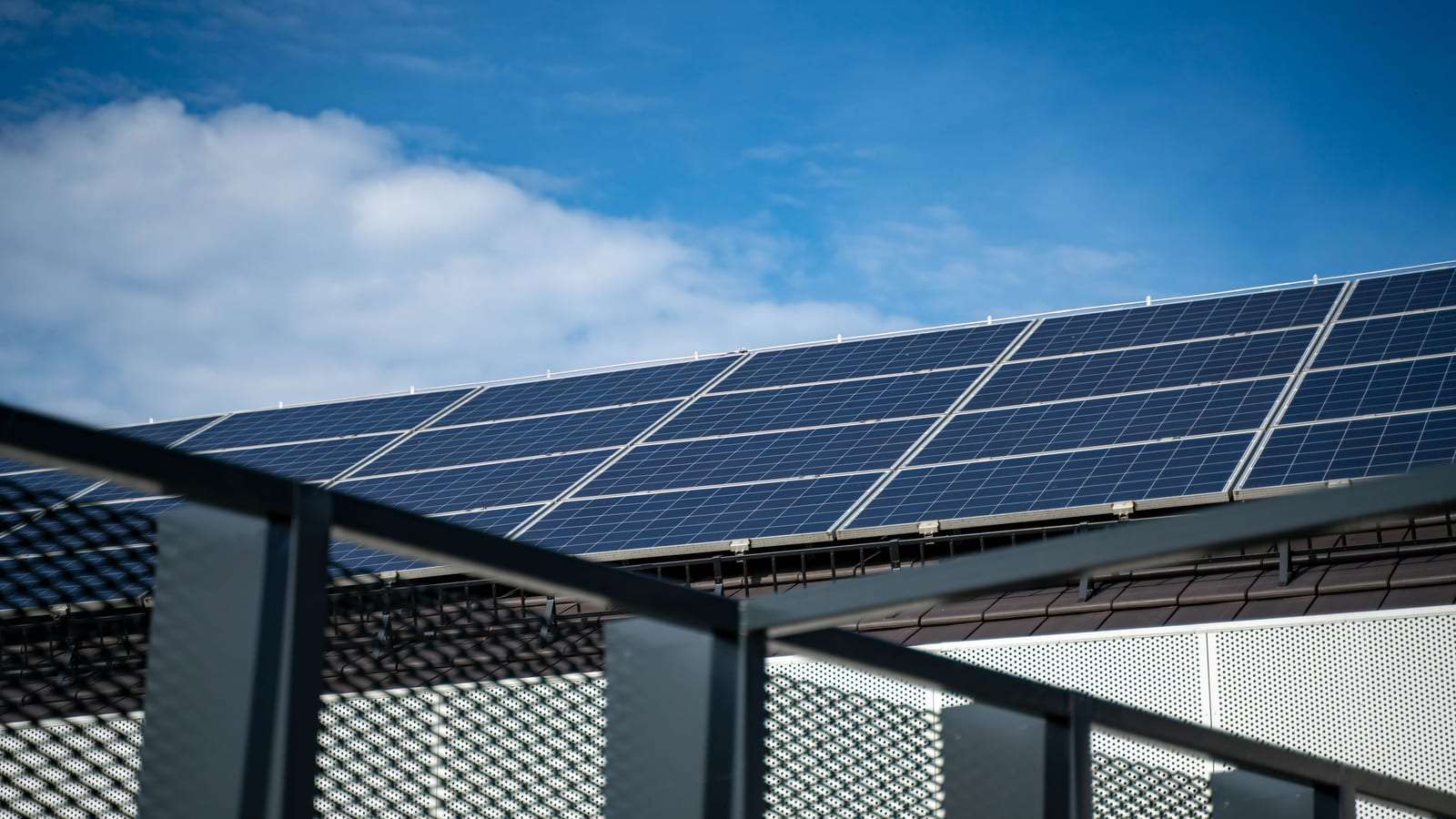
A Saudi villa roof is usually busy: a rooftop water tank, outdoor AC units, the stair room, sometimes an annex or laundry room, and a parapet wall all round. All of these take space and cast shade, and shade on a small part of a panel cuts its output more than people expect. So the usable area is often much smaller than the full roof.
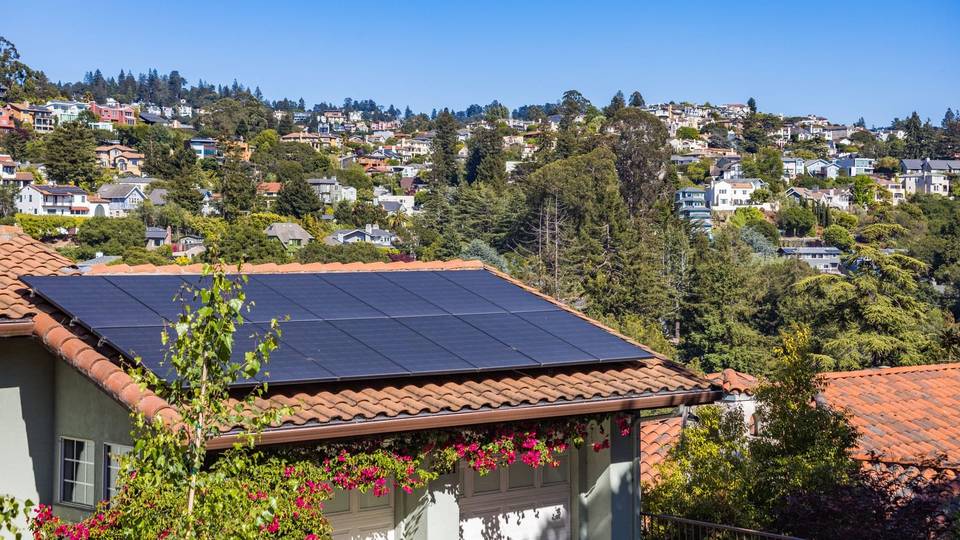
Common solutions are raising the panels on a steel frame above the parapet and units, using only the unshaded part of the roof, or putting a solar canopy over the car space in the courtyard. Before installing anything, check the roof waterproofing, because fixing it later means removing and refitting the panels. If you plan to add a floor or annex in the coming years, tell the installer before the design.
A serious survey measures the roof, studies shading in summer and winter, and reviews the switchboard and cable route. Don’t accept a final quote based on a phone photo alone. More on our home rooftop solar page.
Grid connection
Most villa systems are grid-connected without batteries. What the panels produce is used in the house first, and surplus is exported through a bidirectional meter and credited under the applicable regulatory framework. Connection goes through an application to the Saudi Electricity Company under the small-scale solar regulation, with a technical review and inspection, and there are limits on system size relative to the subscription.
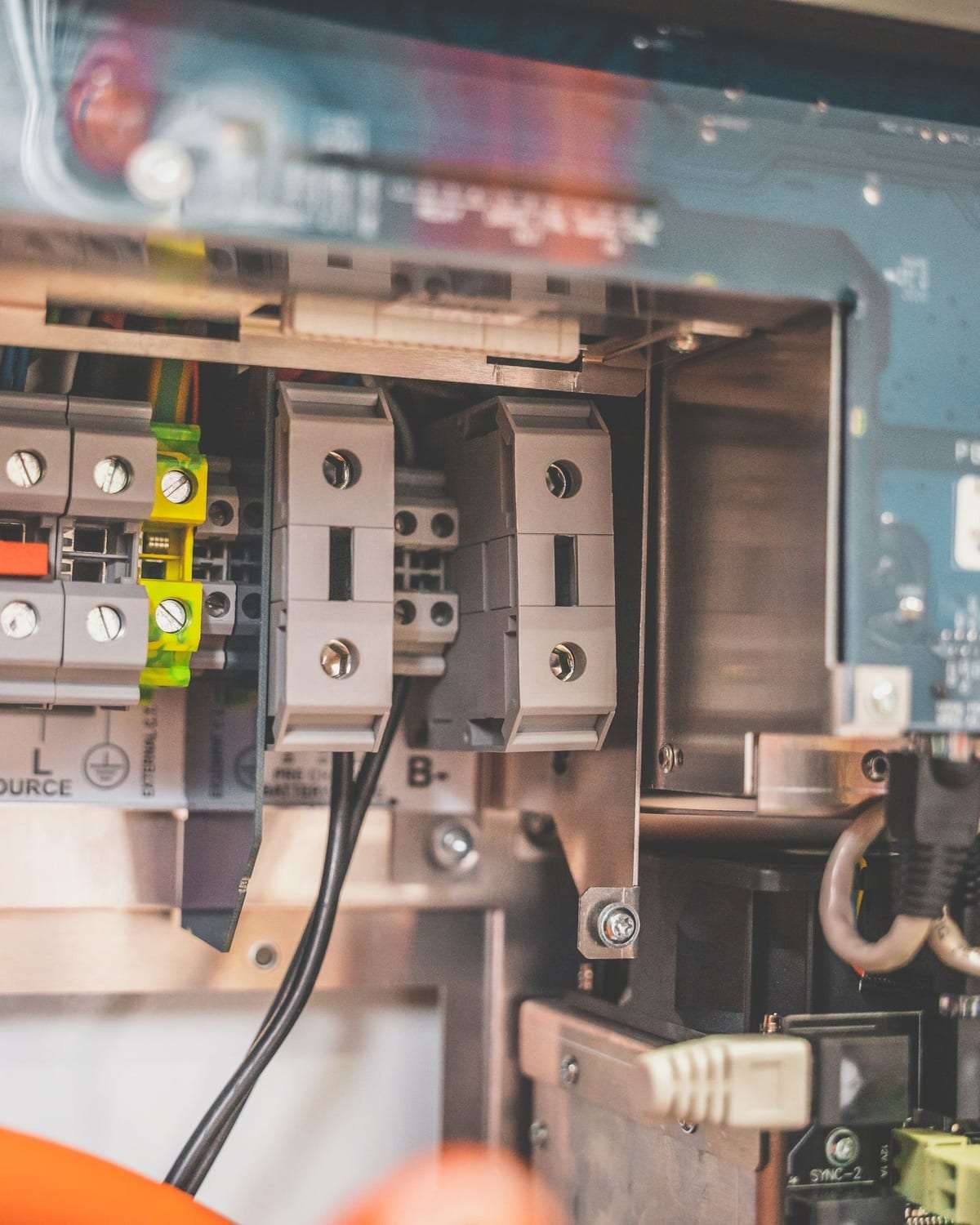
We don’t quote fees, timelines or an export tariff, because these need checking when you apply. What matters is that the equipment is on the approved lists and that a qualified installer and licensed electrical contractor handle installation and connection — not a lone technician. Any connection to the house switchboard is not a DIY job, however simple it looks. Read our grid connection guide for the steps in detail.
Batteries: more for backup than for savings
With low residential tariffs, batteries rarely pay for themselves through savings, because they add a lot to the cost. Their real value in a villa is backup: keeping fridges, lights, internet and some AC running during an outage. So decide from the start which loads you want covered, instead of asking for a battery that “runs the whole house”.
Lithium batteries also need a suitable location: out of direct sun and high heat, well ventilated and away from bedrooms, in line with safety and civil defence requirements. More in our guide on when batteries are worth it.
Solar water heaters: a simpler first step
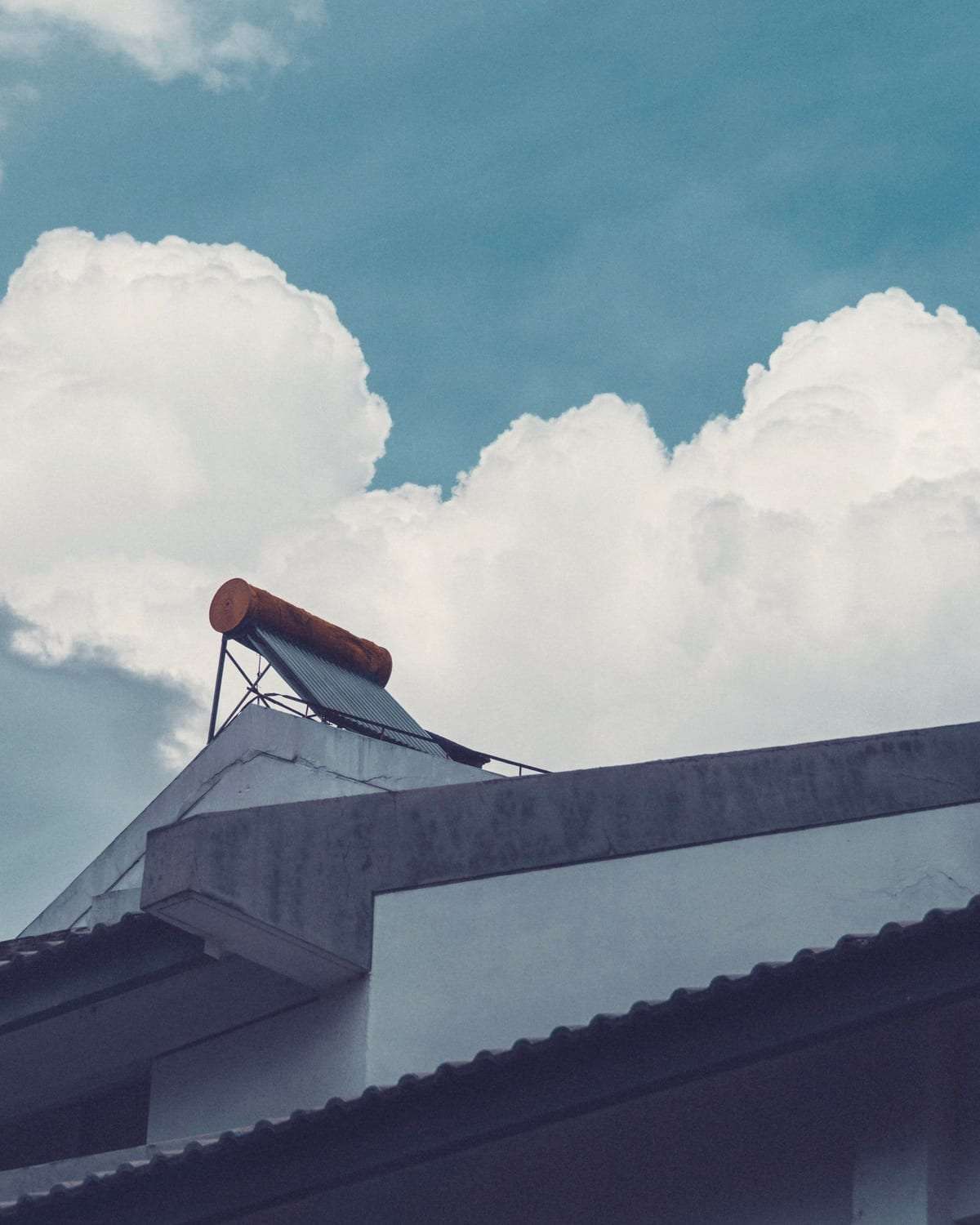
In many villas a noticeable share of electricity goes on heating water, especially in winter with a large family and several bathrooms. A solar water heater heats water directly with the sun’s heat, with no PV panels or grid connection, is simpler to install and needs less roof space.
It won’t replace panels if your AC bill is the problem, but it is a sensible start for anyone who wants to try solar in a small step. It also needs the right tank and materials for your water quality, and simple periodic maintenance.
If you rent the villa
A tenant usually needs the owner’s written consent before installing a system and connecting it to the grid, because the panels are fixed to the roof and the meter and subscription belong to the property. Even with consent, think about the lease: if you are moving in a few years, there may not be enough time to benefit. Sometimes the answer is agreeing who owns the system when the lease ends, or starting with a solar water heater or a small portable battery instead of a full system.
FAQ
Will solar wipe out my villa’s electricity bill?
Rarely. Panels produce during the day, while AC and lighting also run at night. The realistic goal is cutting part of your consumption, especially in summer.
My bill is small — is it worth it?
If saving money is the only goal, payback is usually long. It can make sense if you need backup power, are building a new villa or have another clear reason.
Do I need batteries?
Not for grid connection. Batteries are added if you want certain loads to run during outages, and they raise the cost considerably.
Do panels cope with roof heat and dust?
Yes, but output drops in extreme heat and with accumulated dust. Regular, safe cleaning with water and a soft brush keeps production up.
Do you install systems for villas?
No. SaudiSolar only compares offers. Send your request with your city and approximate bill to receive quotes from qualified installers; the contract is directly with them.
This guide is general information, not technical, financial or legal advice. Rules, tariffs and requirements can change — always confirm with the competent official bodies and a qualified solar installer before deciding. Electrical work and grid connection must be done by licensed professionals only.