Why the conversation starts with diesel
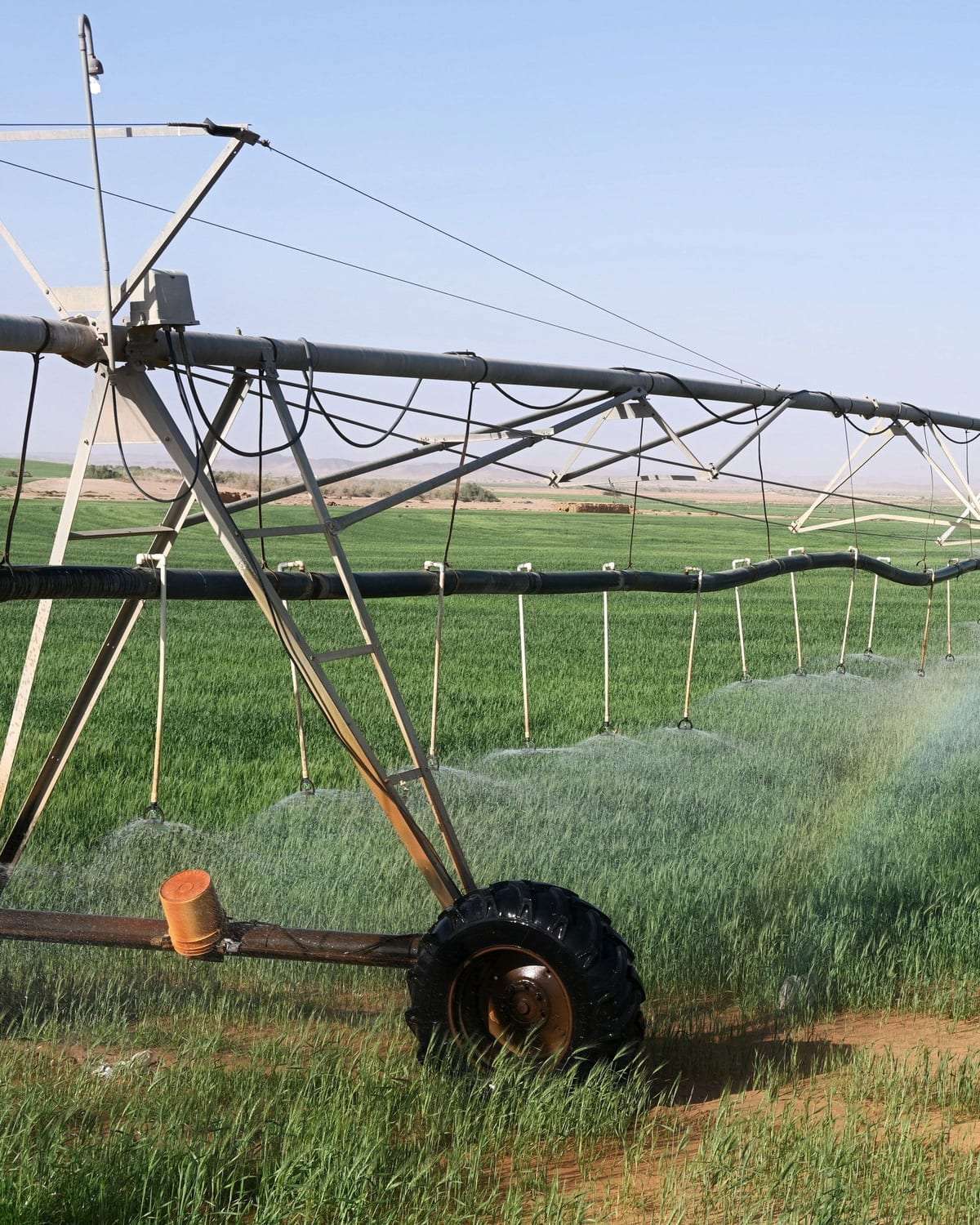
A diesel pump costs more than its fuel. There is fuel delivery and storage, oil and filters, wear on the generator, and a worker to start, stop and watch it. Every breakdown stops irrigation until the part or the technician arrives.
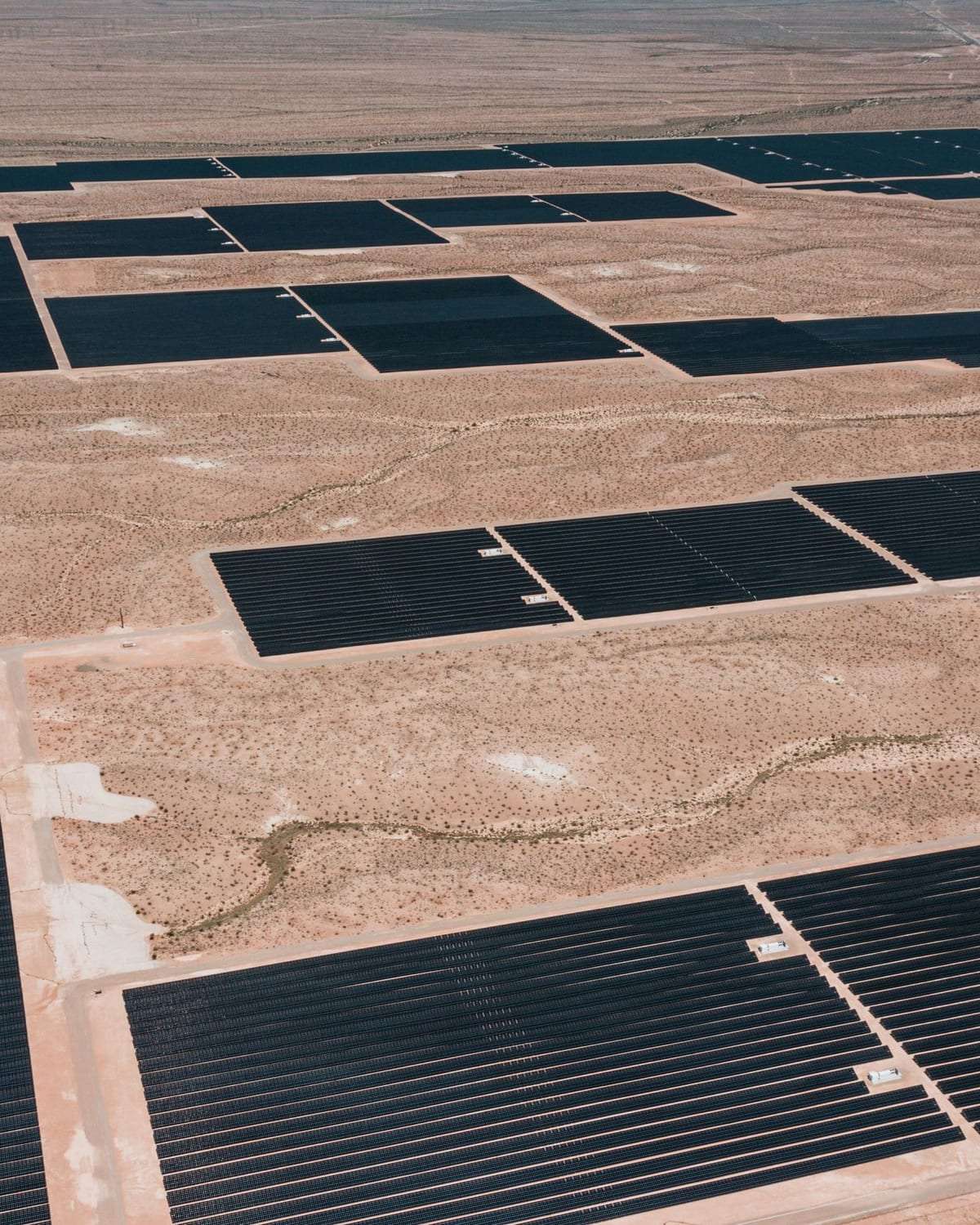
Solar changes the equation: more cost up front, then free fuel and far fewer moving parts. Irrigation demand also peaks in summer, exactly when the sun is strongest and the days longest. That match is why solar water pumps are one of the strongest uses of solar in the Kingdom.
Not every farm is ideal. If irrigation must happen at night, if the well yields little, or if the farm is on the grid with a low bill, the study may show a slower return than you expect. Better to know now.
How a solar pumping system works
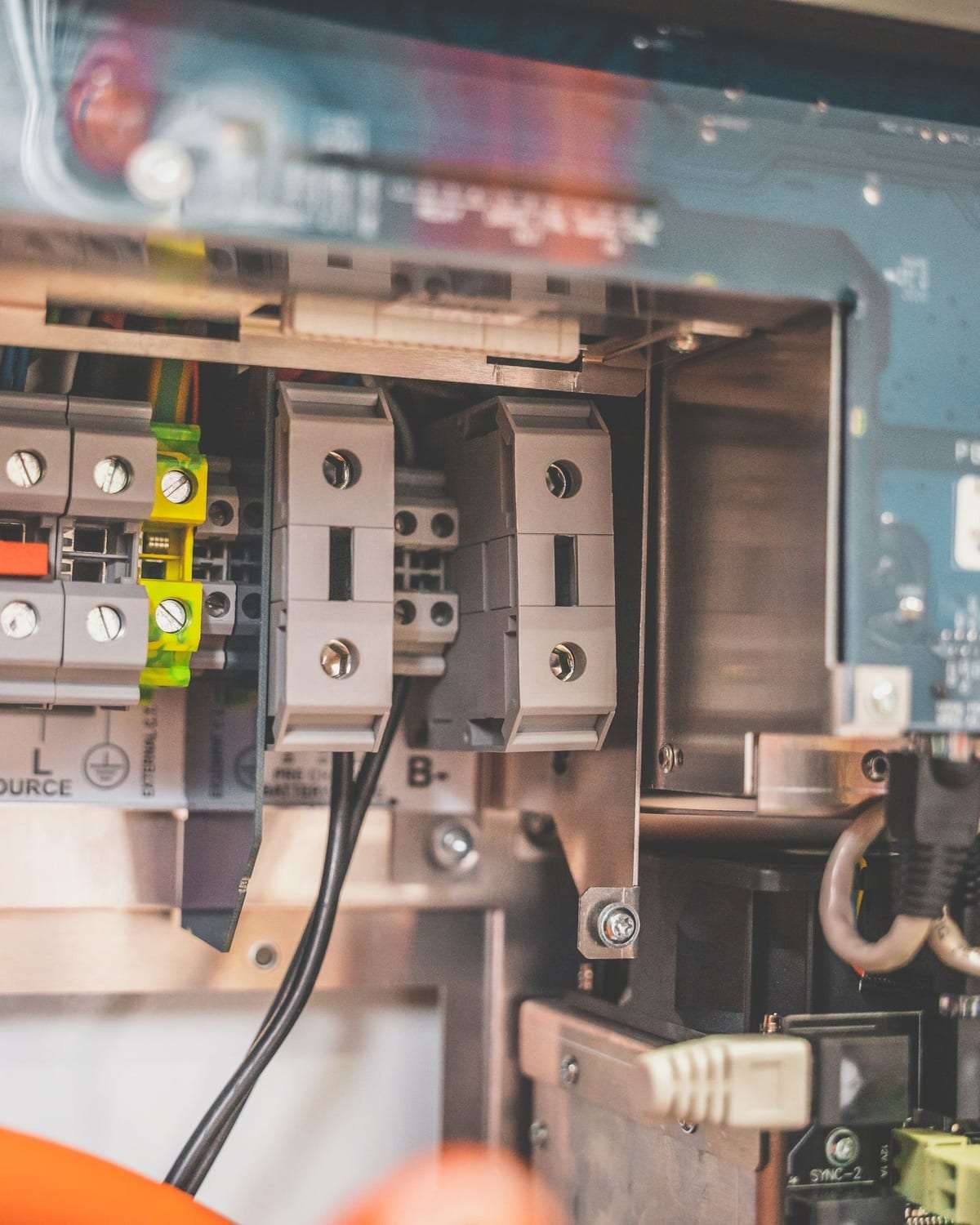
Solar panels on a ground frame near the well produce direct current (DC). It feeds a controller made for pumps, sold as a pump inverter or pump drive, which runs the submersible pump and adjusts its speed to the sun. It turns slowly in the early morning, speeds up as the sun climbs, and slows again before sunset.
Most pumping systems have no batteries. Instead of storing electricity, you store water in a tank or reservoir, which is cheaper, lasts longer and copes better with heat. The controller also protects the pump, stopping it when the well level drops so it never runs dry, and when the tank is full, via a float switch or level sensor.
Some farms fit a new pump designed for solar; others keep an existing AC pump and add a suitable drive. The engineer decides after the site visit, based on the pump’s condition and rating and on the well. Panels, controller and pump should be from a recognised class that meets the standards, with a written warranty.
Sizing: how much water, how deep the well
The classic mistake is to size the system from the old generator’s rating. The right size starts with water, not horsepower. The engineer needs:
- Daily water need in the hottest months: crop type and area, irrigation method (drip, sprinklers or flood) and any livestock.
- Water level in the well at rest and how far it drops while pumping, since the pump lifts from the lower level.
- Well yield: how much the well gives before the level drops dangerously. Pumping more than the well supplies is wasted.
- Height and distance from well to tank or irrigation network, plus pipe diameter and length, which all add load.
- Pressure required at the end of the line for sprinklers or centre pivots.
From these the engineer works out total lift and daily volume, picks a pump that runs efficiently at that point, and adds enough panels for summer and for shorter winter days. If you don’t know the water depth or well yield, ask for a pumping test first. Without this, a quote is a guess.
The tank is your real battery
On a drip-irrigated farm in Qassim, the usual approach is to pump by day into an elevated tank or reservoir, then release water for irrigation when it suits, even after sunset. The tank stores solar energy as lifted water, at lower cost, with a longer life and no worries about summer heat.
Tank size depends on irrigation outside sun hours and how many cloudy or dusty days you want to cover. A bigger tank makes the schedule more flexible and can allow a smaller array.
Batteries do have a place on a farm, usually for lighting, living quarters, fridges and controls, not for running a large pump all night. If you are considering them, read our guide to solar batteries first.
Hybrid with your generator: don’t sell it yet
Should you sell the generator? Usually not, at least at first. It becomes the backup for dusty days, for seasons of higher water demand, or for night irrigation if the crop needs it. Some controllers accept both sources, panels and generator, and switch between them automatically or through a changeover switch.
The generator then runs a few hours instead of all day, so fuel and maintenance drop. This is a hybrid system in its simplest form, and often smarter than relying entirely on the sun or entirely on diesel.
Connecting a generator to the system is electrical work that needs proper protection, earthing and changeover design, done by a licensed electrician or electrical contractor. Don’t wire the generator into the pump panel yourself: a mistake can destroy the controller or put people on site at risk.
Maintenance on the farm
A solar pump needs far less maintenance than a diesel generator, but not none. Farms are dustier than cities, especially near dirt tracks, ploughed fields and feed stores, so regular panel cleaning keeps the daily water volume up. If less water reaches the tank on clear days, the panels need cleaning or something needs checking.
Also check cables for rodent and sun damage, tighten frame bolts after strong winds, watch the pump if the well draws sand, and fence the panels off from livestock. Agree on regular maintenance with the installer from the start, and on who handles warranty claims if the pump or controller fails. Cleaning is covered in our guide to dust, heat and cleaning.
Groundwater rules: solar doesn’t mean unlimited pumping
Once you switch to solar, pumping is almost free, which tempts you to pump more than the crop needs. Groundwater is limited in much of the Kingdom, and its use for irrigation is subject to rules from the competent authorities, including well licensing, drilling and deepening, and abstraction.
Before any design, make sure the well is licensed and your use complies with current rules, and check with the authority before deepening the well or drilling a new one. Good design sizes the system to what the crop actually needs, with water-saving irrigation such as drip, not to the most the pump could draw.
FAQ
Does a solar pump work in winter and on cloudy days?
Yes, but it delivers less, because days are shorter and the sun weaker. A good design compares the weakest month’s output with your need that month and covers the gap with the tank or the backup generator.
Can I keep my current pump?
Sometimes. A submersible pump in good condition and correctly rated can run from a suitable pump drive. If it is old or oversized, replacing it may pay off over time. The site visit decides.
What should I have ready before asking for a quote?
Well depth and water level if known, the rating of the current pump and generator, crop type, area and irrigation method, and where the tank is. Send it in one request so quotes rest on real data.
How long does the system last?
Panels last many years and usually carry a manufacturer’s performance warranty; the controller and pump have shorter lives and warranties. Get each warranty period in writing, and ask who handles claims.
Do you install the system yourselves?
No. SaudiSolar only compares offers: with your consent we pass your request to qualified installers serving your area, and the contract and warranty are between you and the installer you choose.
This guide is general information, not technical, financial or legal advice. Rules, tariffs and requirements can change — always confirm with the competent official bodies and a qualified solar installer before deciding. Electrical work and grid connection must be done by licensed professionals only.