For homes, istirahas and hotels
Solar water heaters
An electric water heater runs every day in almost every home, especially in winter. A solar water heater uses the sun’s heat directly to warm water in a rooftop tank — no inverter, no batteries — with an electric backup heater for cool days or heavy use.
It is one of the simplest uses of solar in homes and istirahas, and often a sensible first step before a full panel system. Send one request with your type of building and the approximate number of people, and qualified companies serving your area send quotes.
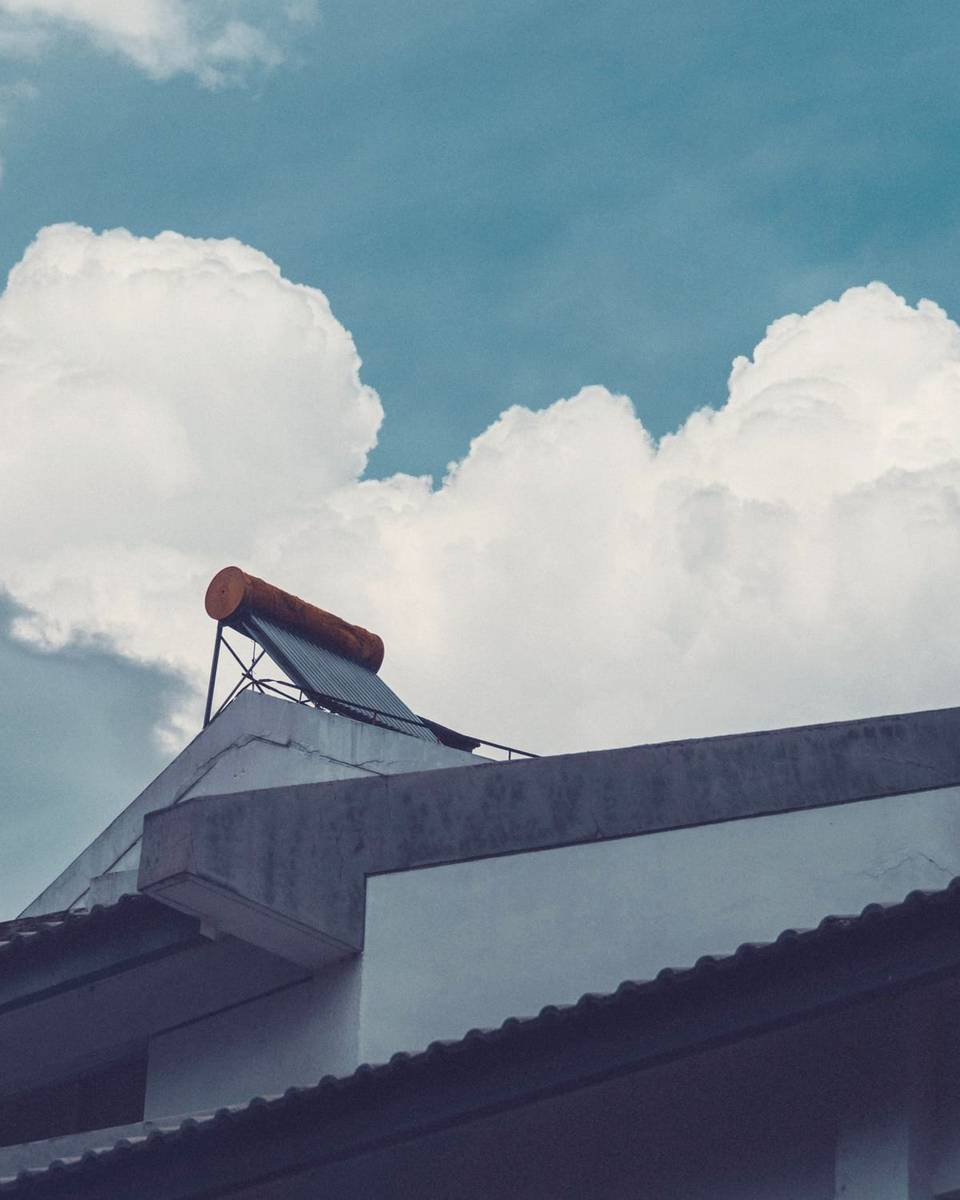
How a solar water heater works
The collector on the roof absorbs the sun’s heat and passes it to the water. In the most common type the tank sits directly above the collector, and hot water rises into it naturally without a pump (a thermosiphon system). Larger systems use a separate tank and a small pump that circulates water between collector and tank.
The tank is insulated to keep water hot for the evening and morning. When solar heat isn’t enough — on cold winter days or with heavy use — an electric backup element inside the tank switches on automatically via a thermostat.
Who it suits — and when an electric heater or heat pump is simpler
Usually a good fit
Villas and large families with steady daily hot-water use, istirahas and chalets, hotels and buildings with many kitchens and washrooms, and staff housing. The higher the daily use, the more a solar heater makes sense.
Needs a closer look
Buildings with a small or shaded roof, long pipe runs to the taps where heat is lost, or areas with very hard water.
The alternative is simpler
Flats and small homes with low use, or buildings with no roof available. An efficient electric heater or a heat pump may be simpler to install and maintain.
Heater types and components in general terms
Flat-plate collector
A dark metal absorber in a glazed box. Robust, easy to clean and less prone to breakage; suits a hot climate most of the year.
Evacuated-tube collector
Vacuum glass tubes that hold heat better in winter and cool weather. Often lighter, but the tubes break more easily and can overheat the water in summer.
Tank
An insulated stainless-steel or internally coated tank, sized by the number of people and their use.
Backup heater
An electric element inside the tank with a thermostat that runs only when needed.
Safety valves
A pressure and temperature relief valve, and a mixing valve that stops scalding water reaching the tap.
What happens during the survey
The technician asks about the number of people, bathrooms, the kitchen and when hot water is used, to set the right tank size. A tank that is too small leaves the electric backup running often; one that is too large won’t heat fully in winter.
They also check the roof: can it carry the tank when full of water, and is there an unshaded spot facing roughly south? They plan the pipe route to the taps and a power point for the backup heater. With hard water they will ask about a filter or softener.
Plumbing and electrical connection
A solar water heater isn’t connected to the electricity grid like a panel system, so there is no connection application and no bidirectional meter. It is connected to the cold-water supply, the hot-water points and a power point for the backup heater.
The backup heater’s electrical connection is for a licensed technician, the plumbing for a specialist, and the rooftop tank needs secure, wind-resistant mounting. If you may add home rooftop solar later, place the heater so it doesn’t shade the panel area.
Heat, dust and hard water
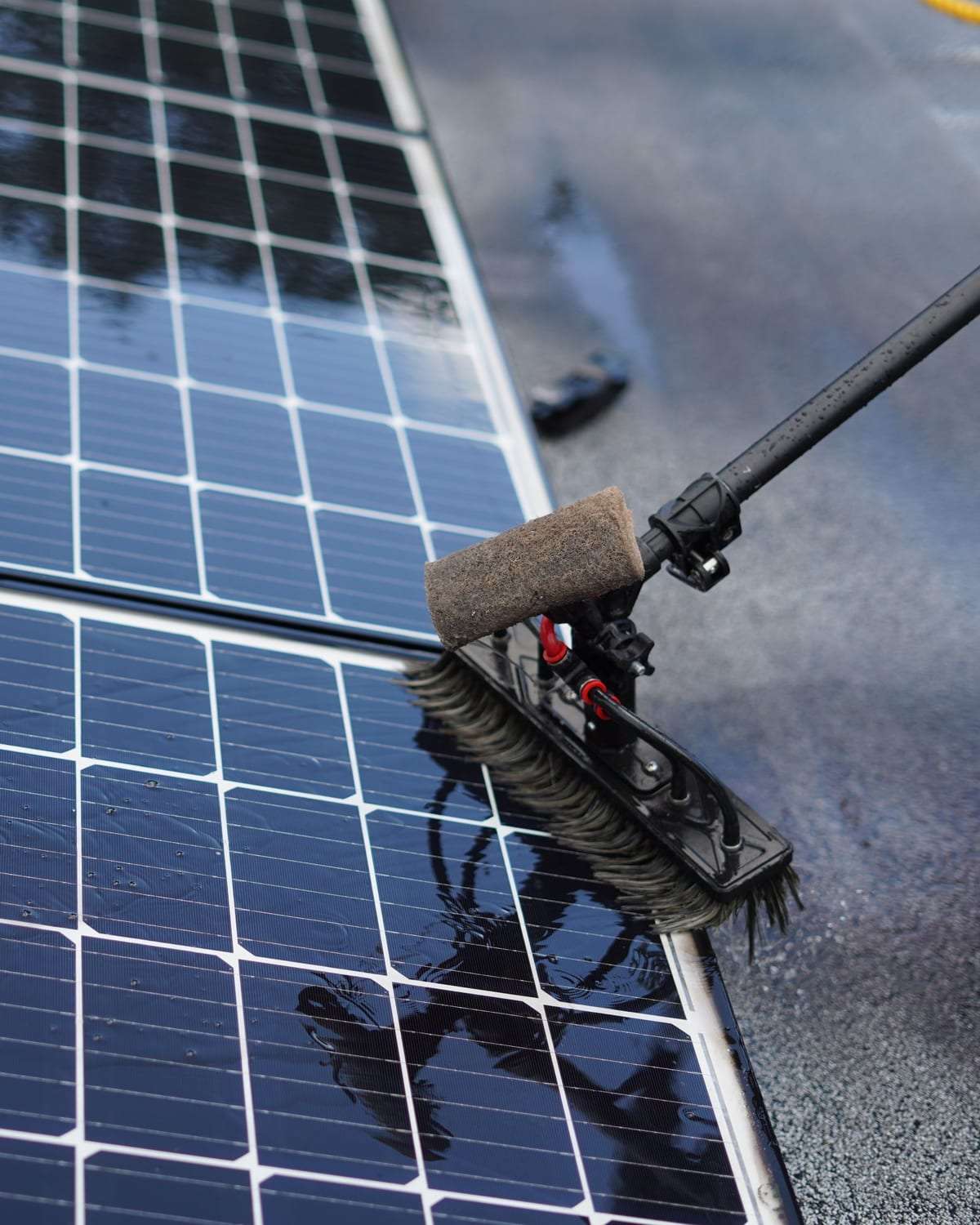
In a Saudi summer the water can get hotter than needed, so mixing and relief valves are essential, and evacuated tubes need watching for overheating. Dust on the glass reduces heating, so cleaning it now and then keeps performance up.
Hard water leaves scale in the tank and pipes over time and lowers efficiency. Ask about the tank’s protective anode, when it should be replaced, and periodic tank flushing. Read our guide to dust, heat and cleaning.
Typical project steps
- 1. Request
Type of building, city and approximate number of people.
- 2. Survey
Tank size, collector type, roof position and pipe route.
- 3. Written quote
Collector type, tank size, backup heater, safety valves and warranties.
- 4. Installation
Frame and tank mounted, then plumbing, electrical connection and testing.
- 5. Handover
Thermostat explained, maintenance schedule and warranty handed over.
Warranties to ask about
Ask about the tank warranty specifically — it is the most expensive part and the most affected by hard water — plus the collector and tube warranty against breakage and the backup heater warranty. Add the workmanship warranty covering leaks and mounting.
Get each warranty period in writing, and whether the warranty requires specific periodic maintenance. More in our warranties and maintenance guide.
What affects the cost of a solar water heater?
We don’t publish prices because they vary with size, type and site. These are the main factors:
- Tank size
Set by the number of people and daily use.
- Collector type
Flat-plate or evacuated tube.
- Tank material and insulation
They affect lifespan and tolerance of hard water.
- Thermosiphon or pumped
Larger systems with a separate tank need a pump and controls.
- Pipes and installation
Distance to the taps and how hard roof access is.
Compare quotes on the same tank size, collector type and warranties. Read our solar cost guide.
Financing options in general
A home solar water heater is a relatively small project and most customers pay directly. Hotels and larger buildings may have staged payments or financing available. We don’t recommend lenders or quote rates.
Questions to ask before signing
- How did you size the tank?
It should be based on the number of people and actual use.
- Can the roof carry the weight?
A full tank weighs far more than an empty one.
- Does the product conform to Saudi standards?
Ask for the conformity certificate for the heater and tank.
- How do you deal with hard water?
Anode, filter, tank flushing, and how they affect the warranty.
Solar water heaters: common questions
Does a solar water heater work in winter?
Yes, but it heats less on cold and cloudy days, and the electric backup tops up. Evacuated tubes hold heat better in winter.
Which is better: flat-plate or evacuated tube?
Flat-plate is more robust, easier to clean and suits the hot climate most of the year. Evacuated tubes do better in cooler areas but break more easily and can overheat in summer.
What tank size do I need?
It depends on the number of people and how you use hot water. The company sets the size at the survey — don’t choose a bigger tank than you need.
Will hard water damage the heater?
Hard water causes scale that lowers efficiency over time. Regular maintenance and replacing the anode when needed extend its life.
Does a solar water heater replace solar panels?
No, they do different jobs: the heater warms water, panels produce electricity. A heater is often the simpler first step for a home. More on home solar.
Do you sell water heaters?
No. SaudiSolar only compares offers: with your consent we pass your request to qualified companies, and the contract and warranty are between you and the company you choose.
Related services
Helpful guides
Compare solar water heater quotes
One request with your type of building, city and approximate number of people brings quotes from qualified companies. Free, no obligation.