For businesses and homes
Grid-connected solar
Most solar systems in Saudi cities are connected to the grid: the system supplies the building during the day, the grid covers the rest at night and at peak times, and any surplus is exported and credited under a published regulatory framework.
This page explains that framework in general terms for businesses and villas: who does what, the steps and what to ask. Exact limits, fees, timelines and tariffs change, so always confirm them with official sources or a qualified installer before basing a decision on them.
How a grid-connected system works
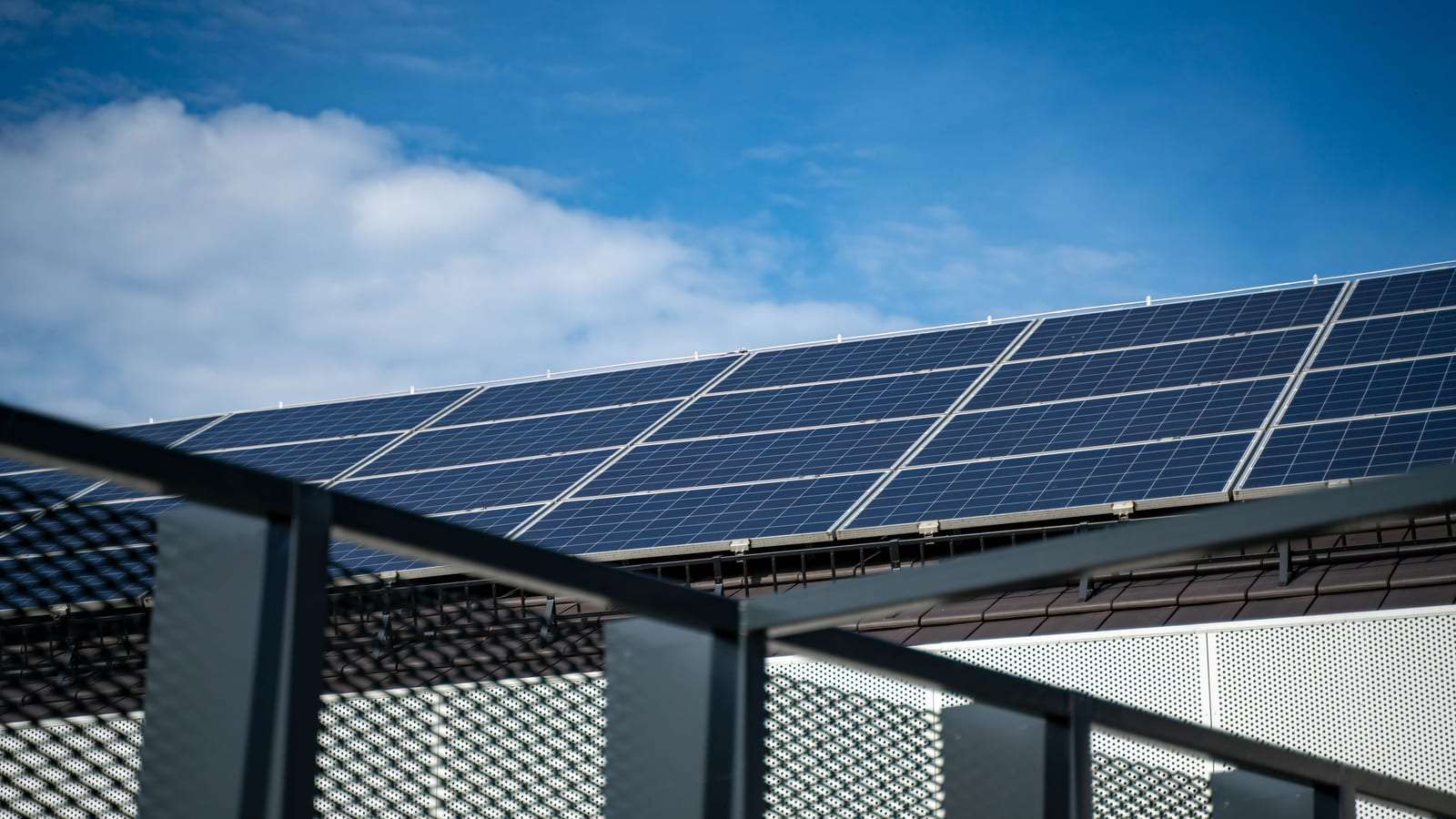
Panels produce direct current, and a grid-tied inverter converts it into alternating current synchronised with the grid, so loads draw on solar first and on the grid when needed. There is no manual switching and no interruption between the two sources.
A grid-tied inverter shuts down automatically during a power cut to protect line workers. So a grid-connected system on its own does not give you power during an outage. If backup matters to you, ask about a hybrid system with batteries.
Who grid connection suits
Commercial and industrial sites
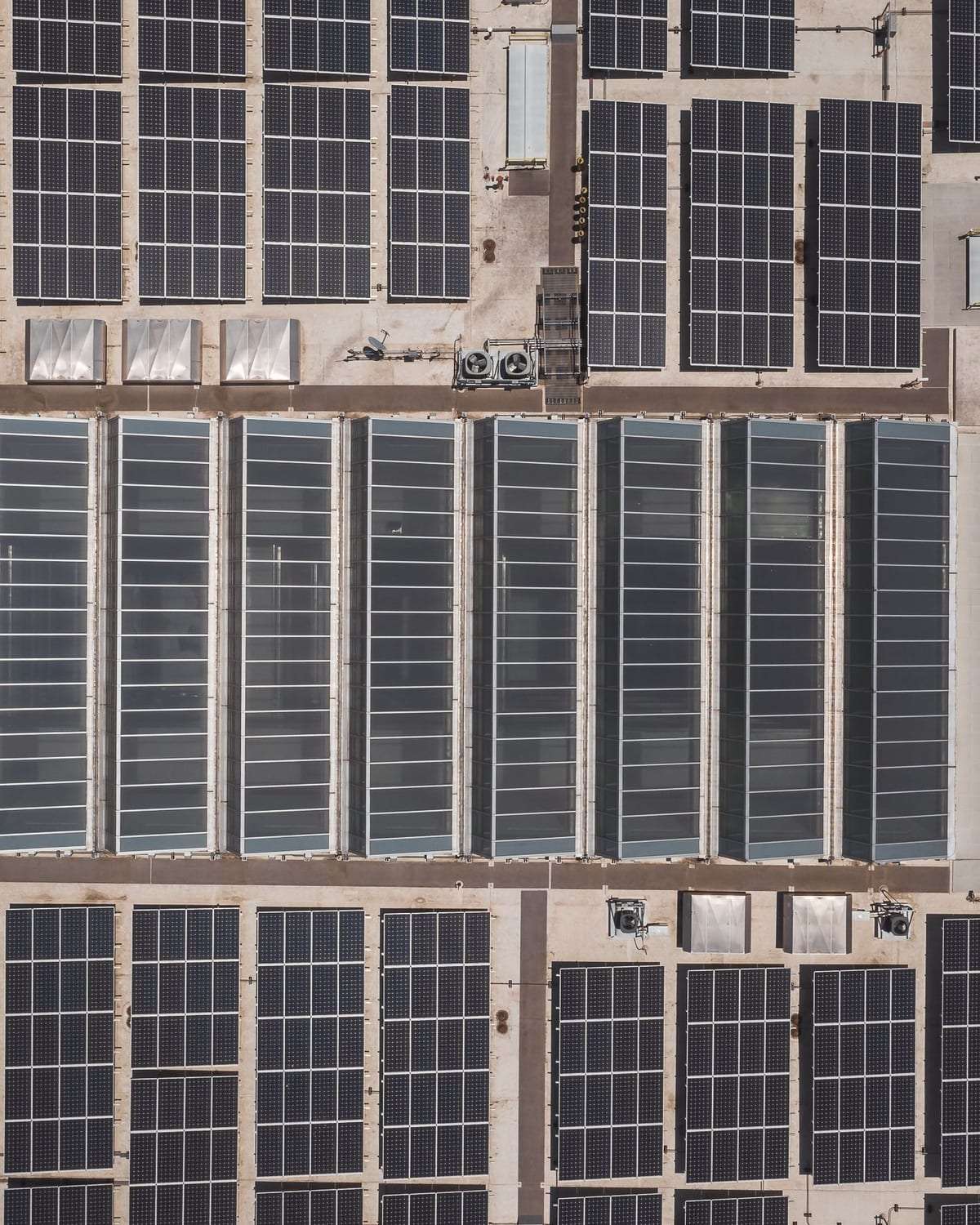
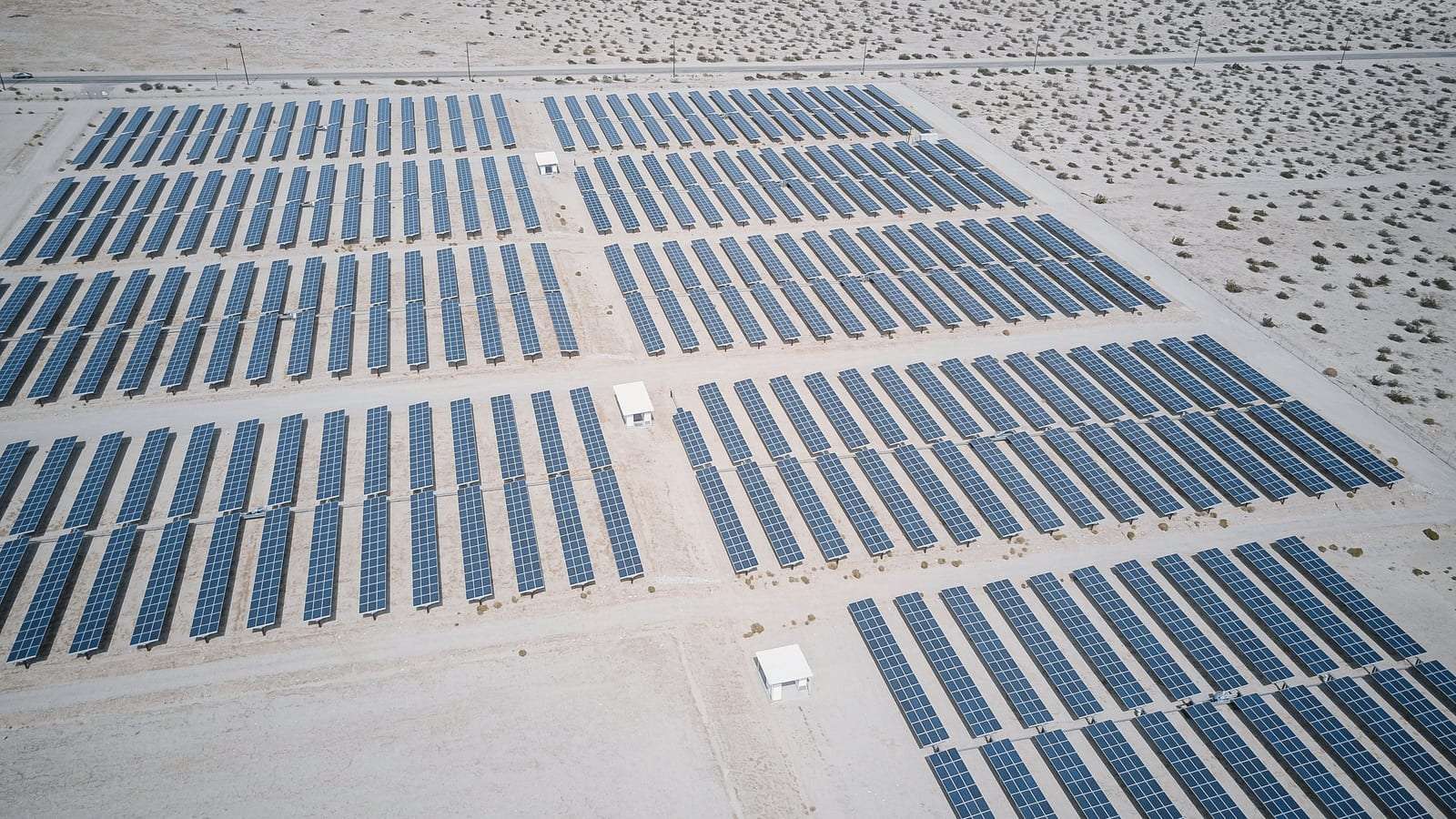
Warehouses, factories, shopping centres and schools with high daytime use. See commercial rooftop solar and industrial solar.
Villas and large homes
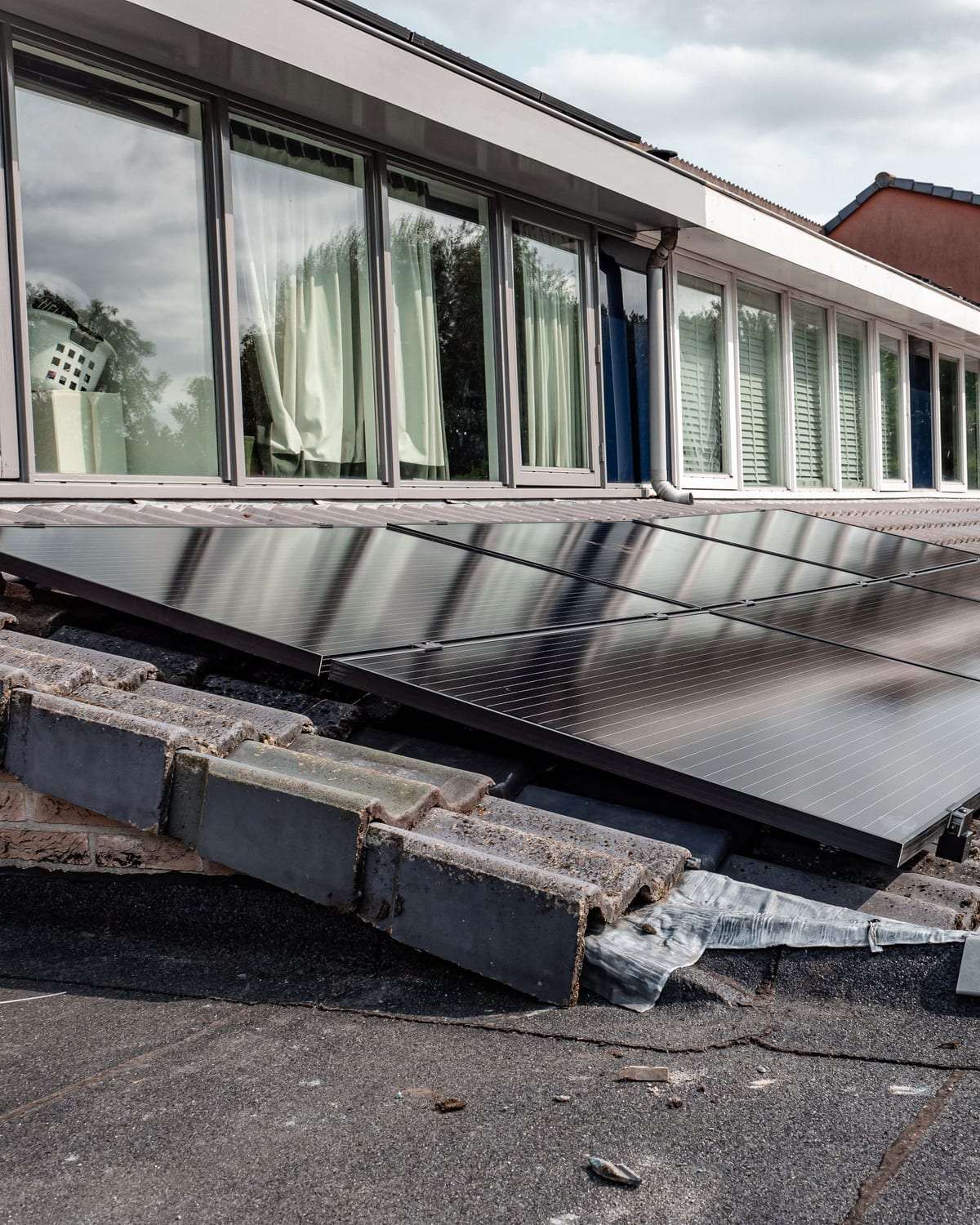
Especially with a high summer bill and a suitable roof, and realistic expectations on payback. See home rooftop solar.
May not suit
Sites far from the grid, or that need continuous power during outages. An off-grid or hybrid system fits better there.
Components of a grid-connected system
Panels
Of an approved class that meets Saudi standards.
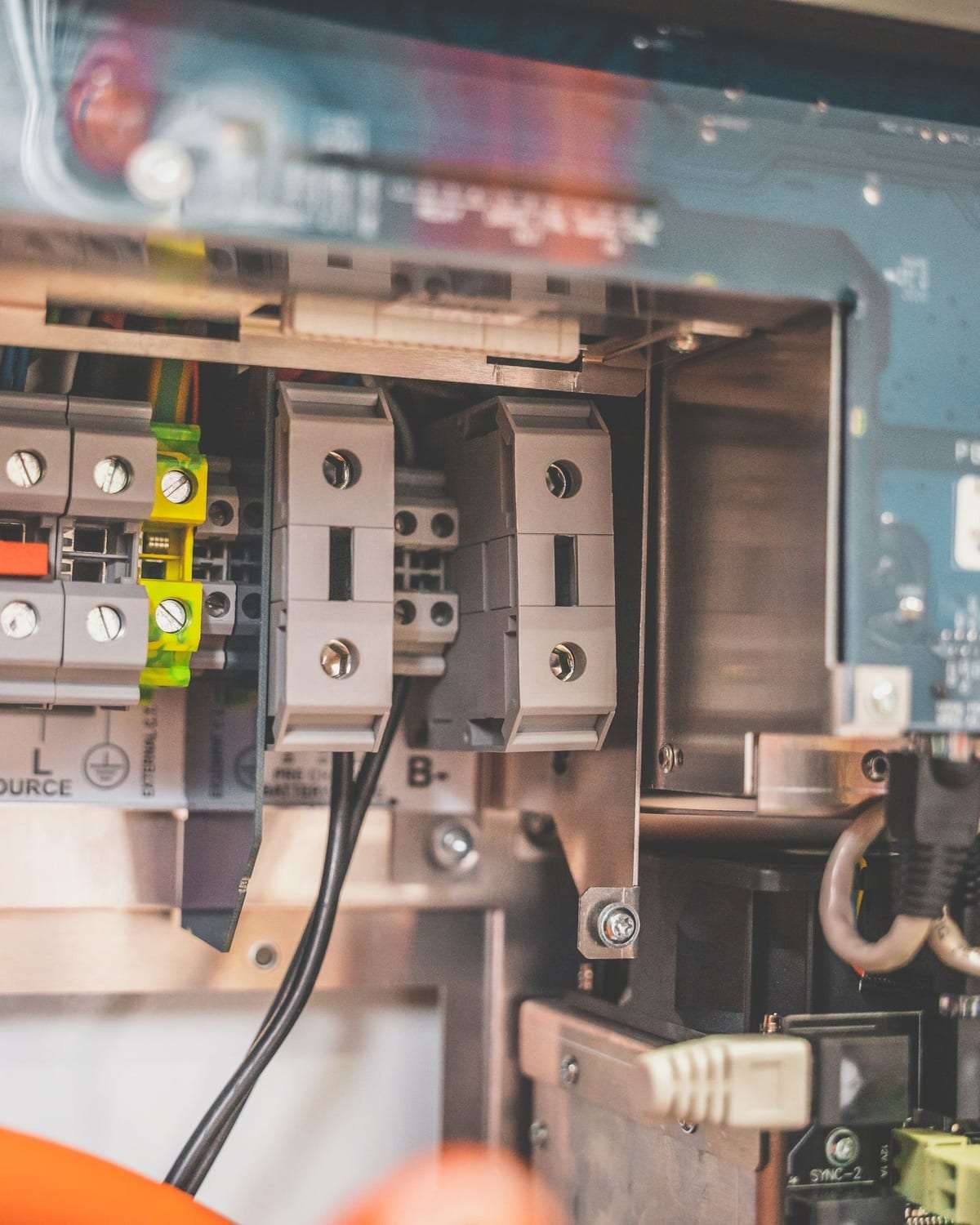
Grid-tied inverter
Must be on the approved lists and include anti-islanding protection that disconnects during grid outages.
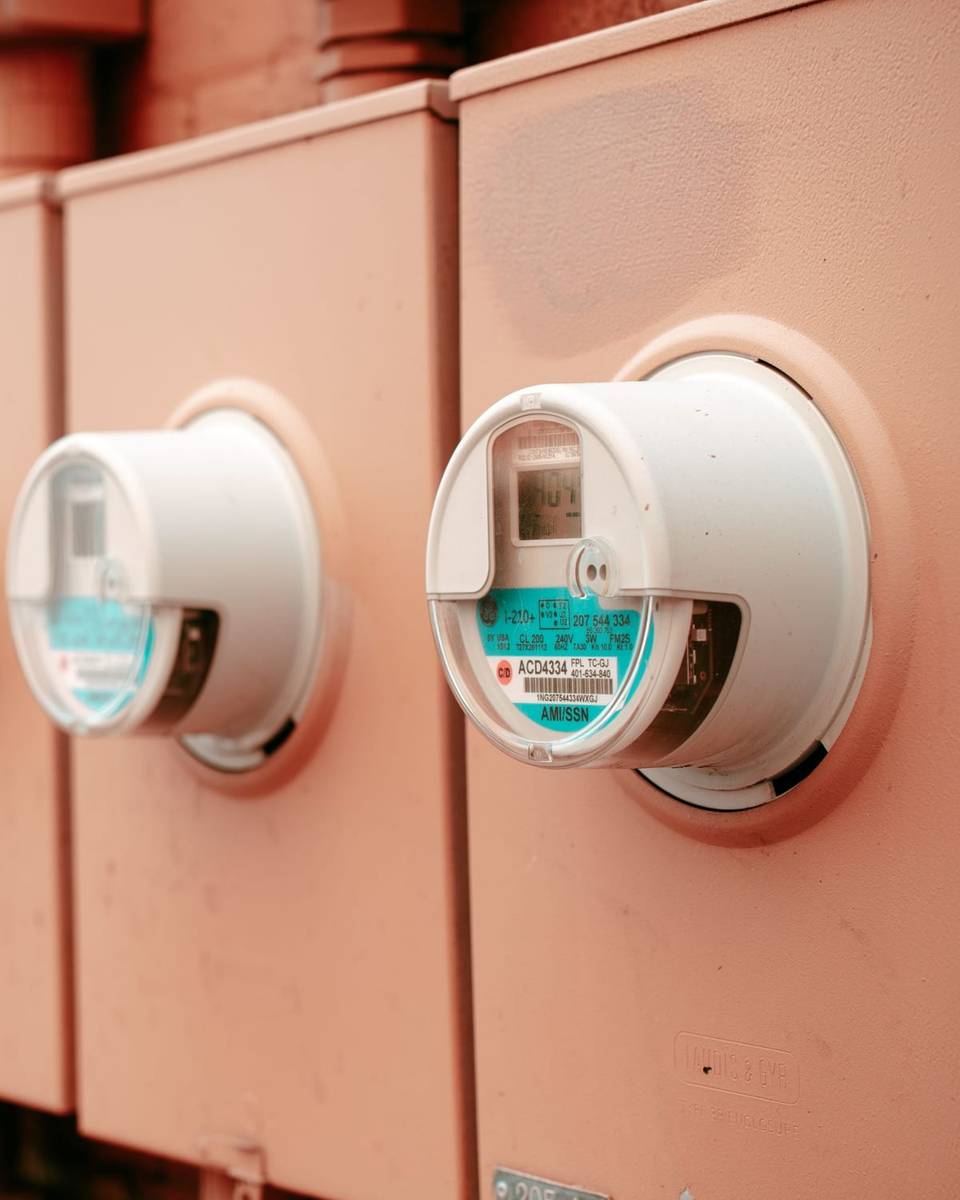
Bidirectional meter
Installed by the utility, measuring import and export.
Protection
Breakers, isolators, earthing, lightning protection and a clearly marked, accessible disconnection point.
Monitoring
An app showing production, export and faults on your phone.
The connection steps in general
These steps describe the usual route in general; details and names may differ. A qualified installer normally handles them on your behalf:
1. Design with approved equipment
The installer designs the system with panels and inverters from the approved lists, sized within the limits allowed for your subscription.
2. Application
The connection application goes to the Saudi Electricity Company with drawings, equipment data and required documents — including the owner’s consent if the building is leased.
3. Technical review
The utility reviews the application and may request changes before approving installation.
4. Installation
The qualified installer builds the system to the approved design. Electrical work must only be done by a licensed electrical contractor.
5. Inspection
The system is inspected for conformity with the design and with safety and protection requirements.
6. Meter and commissioning
A bidirectional meter is installed, the system is officially switched on and exported energy starts being credited.
There may be fees for the application, inspection or meter, and each stage has a review period. We give no figures because they change — ask the installer to set out expected fees and the timeline in writing. More in our grid connection guide.
What net billing means for you
Under net billing, the bidirectional meter measures two directions: the electricity you draw from the grid and the electricity you export to it. What you draw is charged at the normal consumption tariff, what you export is credited at a published export tariff, and the bill settles the two.
The key point: the export tariff is not necessarily equal to the consumption tariff. So a kilowatt-hour you use yourself is usually worth more than one you export. In practice the best system is usually one sized to your daytime consumption, not the largest system your roof can fit.
That is why businesses with high daytime use benefit most. For homes, residential electricity is relatively cheap, and savings alone can take many years to cover the cost, especially with a small bill. That doesn’t make a home system a mistake, but do the sums realistically. Try the solar calculator and read is solar worth it?.
What the survey covers before connection
Besides measuring the roof and shading, the installer checks the capacity and type of your subscription on the bill, because the allowed system size depends on it. They inspect the main switchboard and whether it needs changes, plus the meter and inverter location and the cable route.
They ask for 12 months of bills to estimate daytime consumption, so the system is sized to what you will actually use rather than the most the roof can hold. If the building is leased, arrange the owner’s consent early.
Grid-connected, off-grid or hybrid?
Grid-connected is the simplest and usually the cheapest because it needs no batteries. Off-grid suits sites with no grid. Hybrid combines a grid connection with backup batteries and may need extra approvals depending on how it is connected. Compare all three in our off-grid, hybrid and grid-tied guide.
Heat, dust and what you export
Dust and heat reduce output, which cuts both what you self-consume and what you export. Monitoring spots the drop early and regular cleaning restores production. Read our dust, heat and cleaning guide.
From request to switch-on
- 1. Request and bills
You send your request and bills; qualified installers contact you.
- 2. Survey and quote
A design sized to your subscription and consumption, and a written quote including the connection steps.
- 3. Connection procedure
Application and technical review with the utility.
- 4. Installation and inspection
The system is installed and then inspected.
- 5. Meter and commissioning
The bidirectional meter is fitted and the system officially switched on.
Warranties to ask about
Product and performance warranties on panels, the inverter warranty and the workmanship warranty. Also ask: if the application is rejected or changes are required after inspection, who pays for them? Put it in the contract. More in our warranties and maintenance guide.
What affects the cost?
- System size
In kWp, within the limits allowed for your subscription.
- Approved equipment class
Panels, inverters and their warranties.
- Switchboard changes
If the board needs modification or extra protection.
- Connection fees
Any application, inspection or meter fees.
Compare quotes on the same capacity and equipment, and check that connection fees are included. Read solar costs.
Financing options in general
Outright purchase, financing from a lender, or models where the customer pays for the electricity produced. We don’t recommend lenders or quote rates. And don’t base financing sums on an assumed export tariff — use the current official figures.
Questions to ask before signing
- Are you qualified to install and connect small-scale systems?
Ask for proof of qualification and electrical licence, and check it yourself.
- Is all the equipment on the approved lists?
Ask for model names and numbers in the quote.
- Is the size within the limits for my subscription?
And how did you estimate self-consumption versus export?
- Who submits and follows up the application?
And who pays for fees and any required changes?
- Which export tariff did you use in your figures?
Ask for the official source and its date.
By business type

Grid-connected solar: common questions
Can I install and connect the system myself?
No. Grid connection requires an official application, approved equipment and an inspection, and electrical work must only be done by a licensed electrical contractor. DIY installation is a safety risk and may block the connection.
Does the system work during a power cut?
A grid-connected system on its own shuts down during outages to protect the grid. For backup you need a hybrid system with batteries.
What is the price per exported kWh?
The export tariff is published officially and may change, so we don’t quote a figure. Confirm the current value from the official source before any calculation.
Is there a limit on system size?
Yes — small-scale systems have size limits, and the allowed size is linked to your subscription capacity. A qualified installer checks the current limits for your connection.
I’m a tenant — can I install?
You will usually need the owner’s written consent as part of the application. Agree with the owner before requesting quotes.
How long does connection take?
It depends on the technical review, inspection and meter installation. We don’t state durations because they change — ask the installer for a written timeline.
Does SaudiSolar submit the connection application?
No. We only compare offers. With your consent we pass your request to qualified installers, who handle design, installation and the connection procedure.

Compare quotes for a grid-connected system
One request with your building type, city and approximate bill brings quotes from qualified installers who handle installation and the connection procedure. Free, no obligation.