For farms
Solar water pumps
On many farms the borehole pump runs on a diesel generator: fuel hauled to the farm, regular servicing, daily attention, and no irrigation when the generator breaks down. Irrigation needs most of its water during the day — exactly when solar panels produce — which makes solar water pumping one of the strongest uses of solar in Saudi Arabia.
Send one request with your city, approximate well depth, daily water need and irrigation method, and qualified solar installers send quotes for a pumping system designed for your farm.
How a solar water pump works
Panels produce DC power, and a pump inverter (or controller) converts it and runs the submersible pump at a speed that follows the sun: less in the morning, most at midday, tapering off in the afternoon. No fuel, no manual start — the system starts and stops by itself.
The key idea: the tank replaces the battery. Instead of storing electricity in expensive batteries, you store water in a ground tank, an elevated tank or a pond and use it when needed. That is why most solar pumping systems run without batteries, and why they are simpler and cheaper than full off-grid systems.
Who it suits — and when it needs more thought
Usually a good fit: farms whose pumps run on diesel, especially those far from the grid; farms irrigating by day with drip or sprinklers; date palms, vegetables and fodder; and livestock watering. Every hour pumped by the sun is an hour without generator fuel.
Needs more thought if you must pump at night or continuously, the well is very deep with a large water need, or the farm relies on a large centre pivot. A bigger system with a tank, or a hybrid keeping the generator or grid as backup, may be the answer. If the farm is on the grid with a low bill, the gain is less clear.
System components in general terms
Submersible pump
Lowered into the well and chosen by head and flow. Sometimes the existing pump can be used; sometimes a pump suited to solar operation is the better choice.
Pump inverter or controller
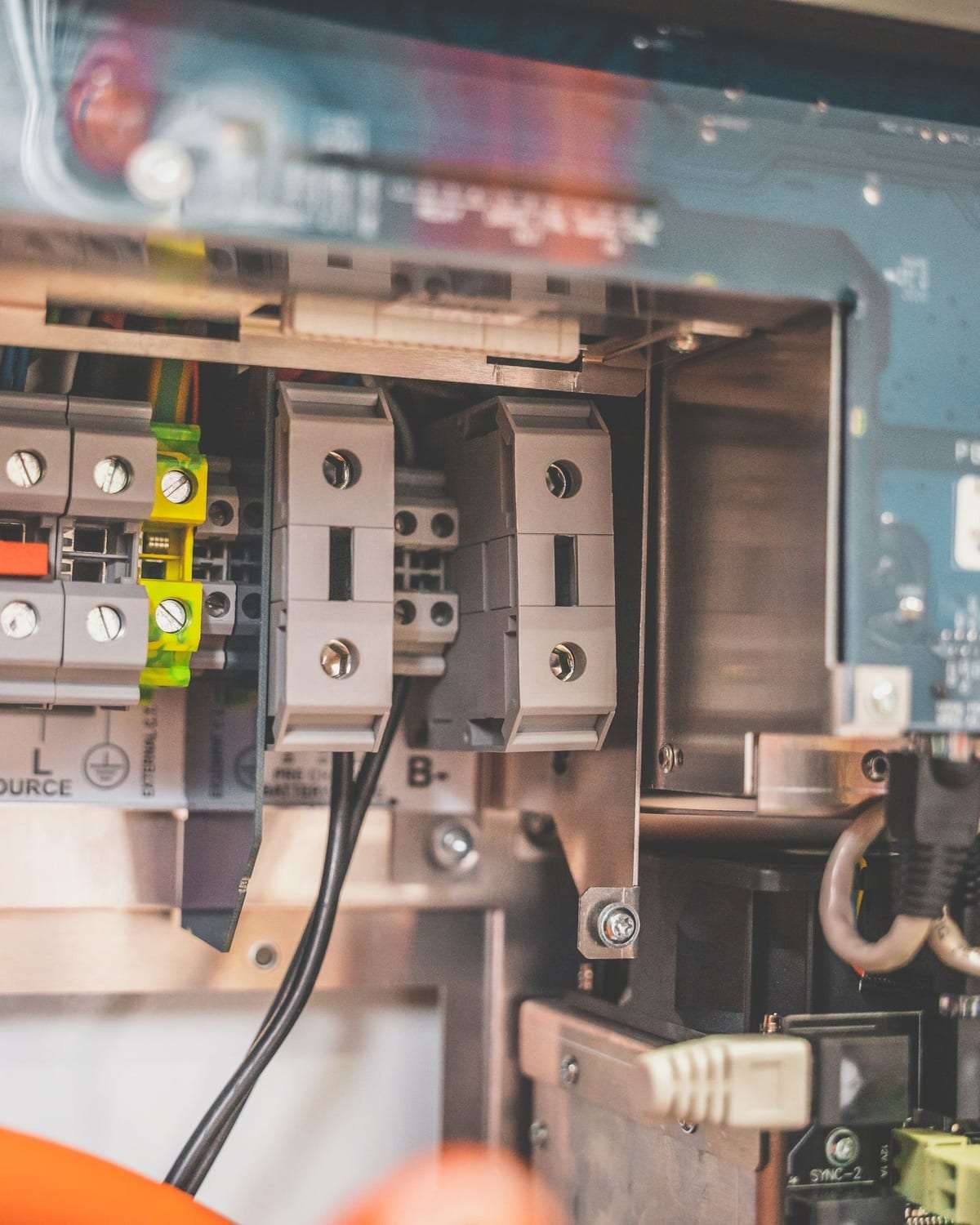
Converts panel power, controls pump speed and protects against dry running and low water levels.
Panels and frame
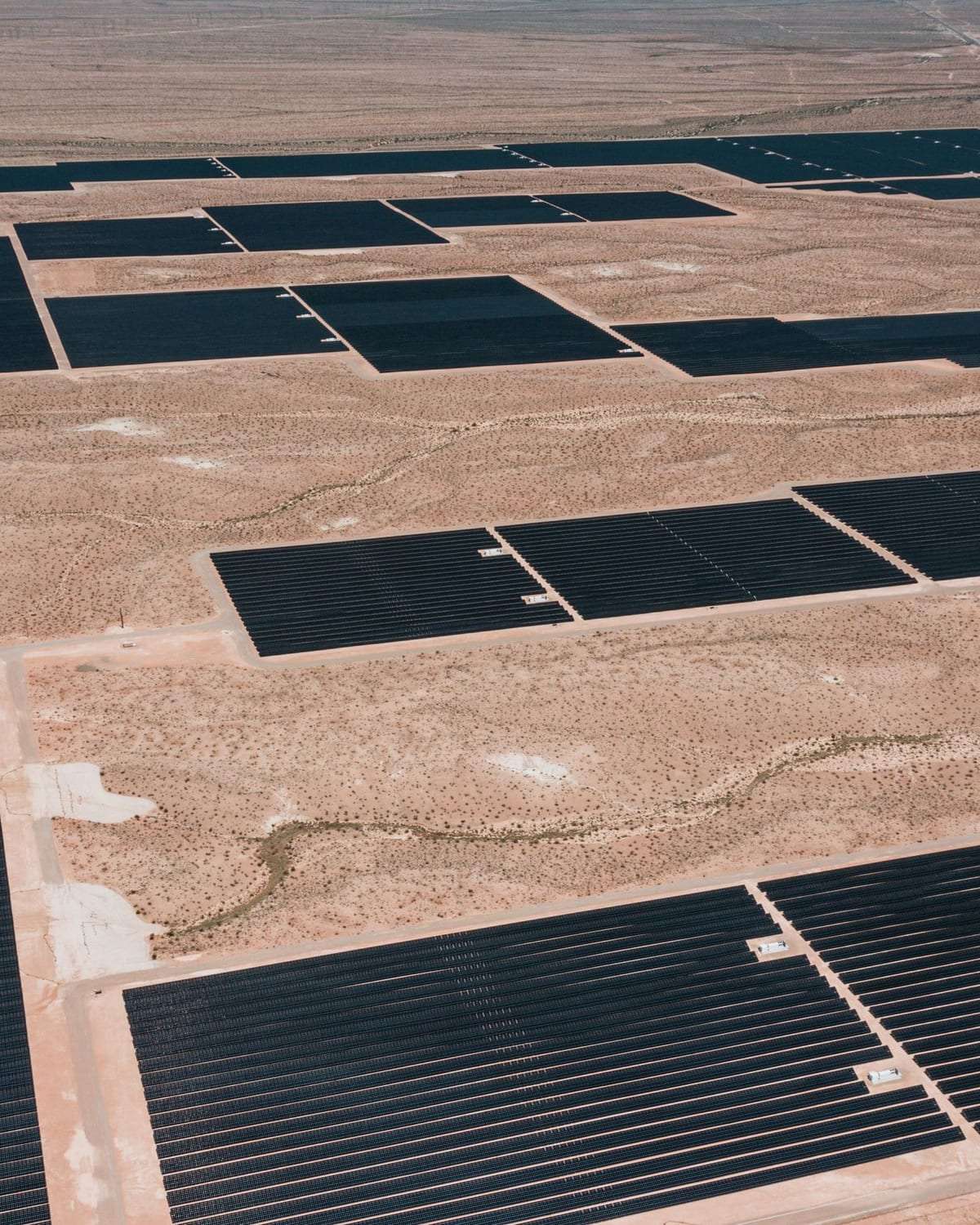
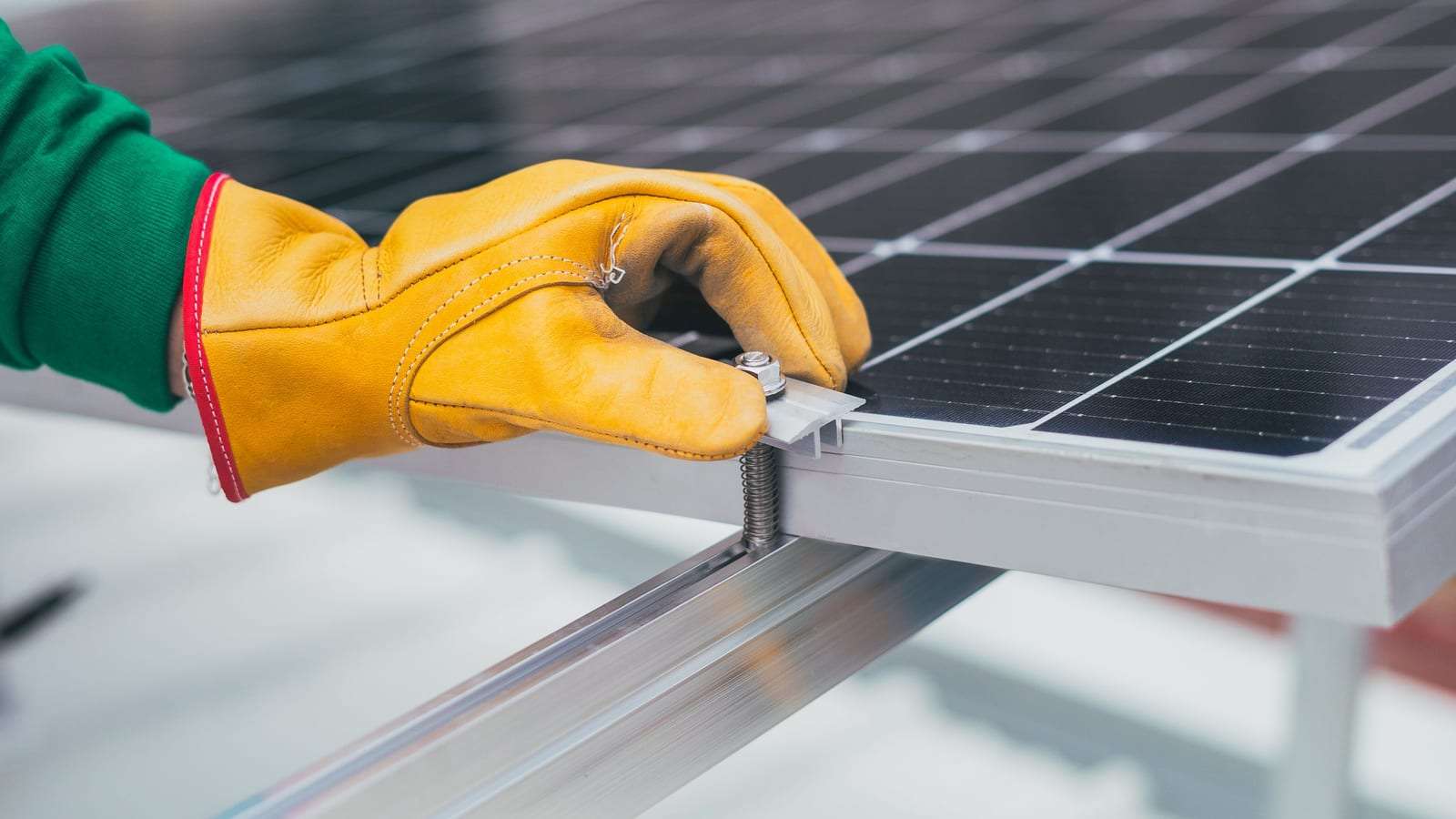
A fixed ground frame near the well, or a sun-tracking frame on some projects to extend pumping hours.
Tank
A ground or elevated tank or a pond, sized to cover the farm’s needs when there is no pumping.
Protection and sensors
Earthing, lightning protection, water-level sensors in the well and tank, and remote monitoring on your phone.
How a pumping system is sized
Sizing rests on three things: the farm’s daily water need; the well depth, meaning the distance from the surface to the water level while pumping; and the total head — that depth plus tank height, pipe runs and the pressure your irrigation needs. More head or more water means a bigger pump and more panels.
Seasons matter: irrigation demand peaks in summer, so designs are usually based on the hardest months. Don’t rely on the old pump’s rating alone; it may be bigger or smaller than you really need. Read our guide to switching from diesel pumps to solar.
Well and pump checks during the survey
A serious survey starts with the well: its depth, the static water level and the level while pumping, its yield (how much water it gives without the level dropping sharply), the casing diameter, and the state of the pump, cables and pipes. Pumping more than the well can give harms both pump and well.
The engineer then reviews the irrigation system, the cultivated area and a good spot for panels and tank. Have the well-drilling records and current pump and generator details ready — it shortens the design work.
Pivot, drip and the generator’s role
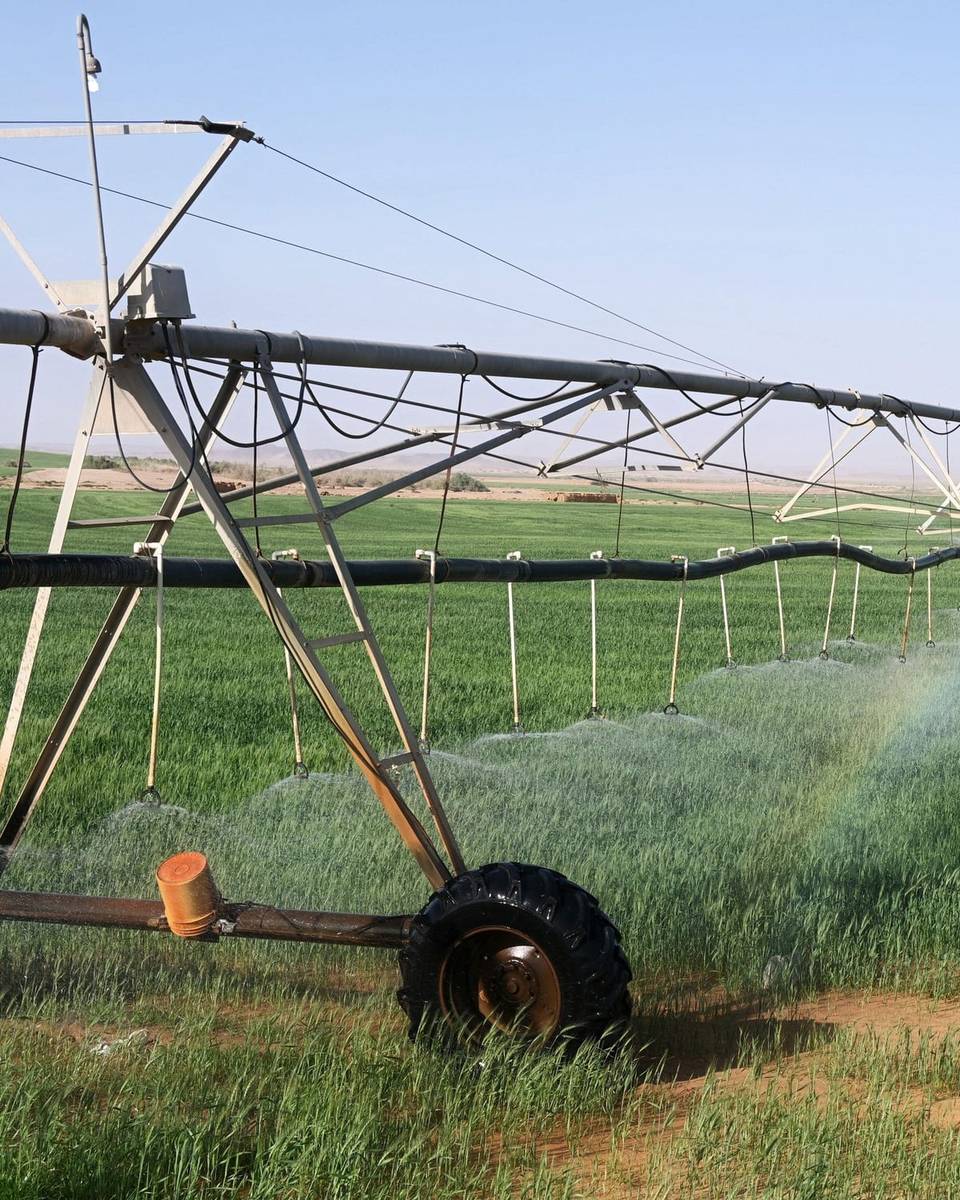
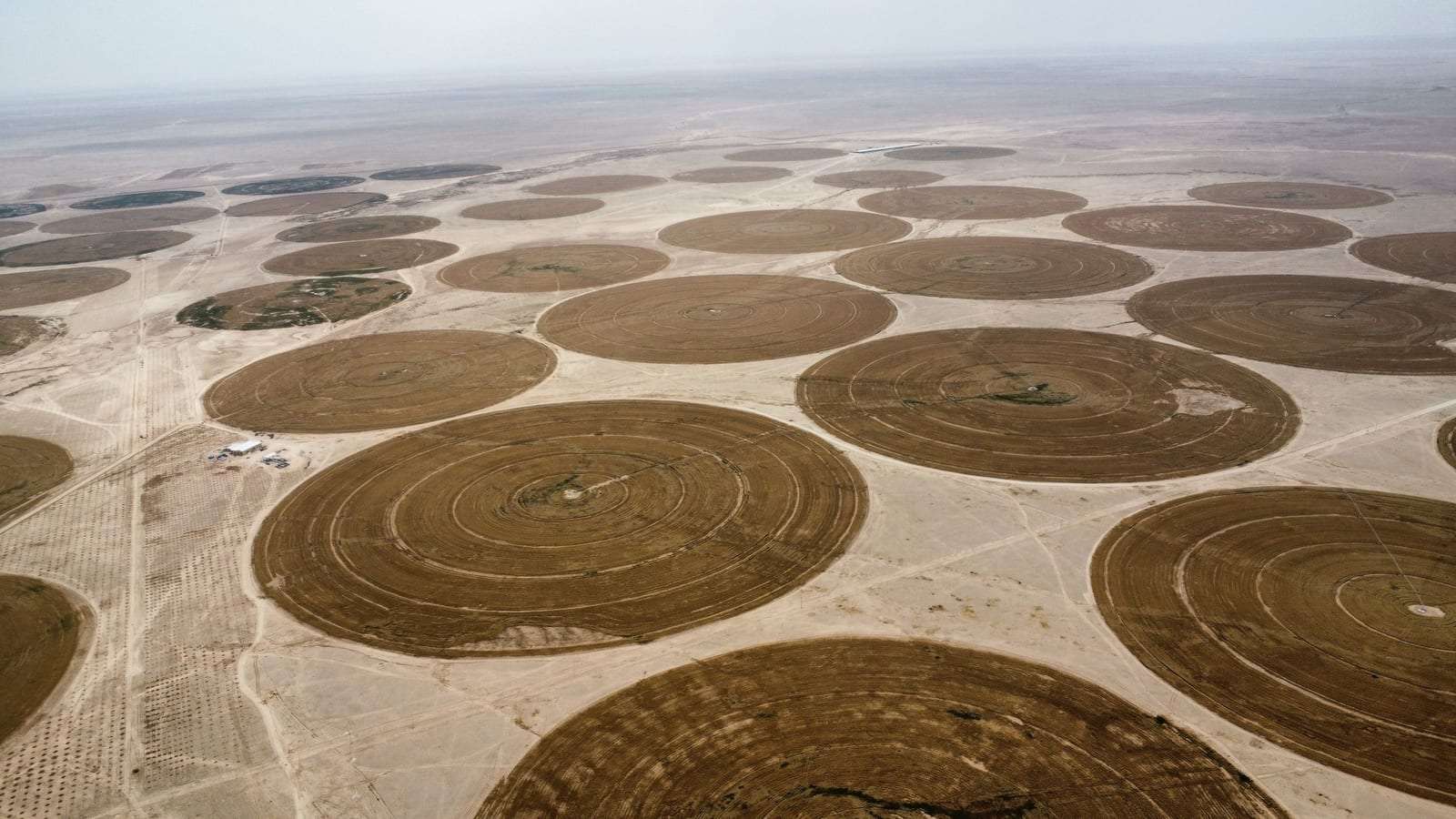
Drip irrigation and small sprinklers suit solar pumping well, especially with a tank giving steady pressure. A centre pivot needs high pressure and flow for long hours and may need a large system or a hybrid with a generator or the grid. State your irrigation type clearly in the request.
On many farms the generator stays for backup or night pumping, and some controllers accept more than one source. All electrical connections must be made by a licensed electrical contractor. Before drilling a new well, deepening one or pumping more, check the requirements of the authorities responsible for water and wells.
Dust and heat on farms
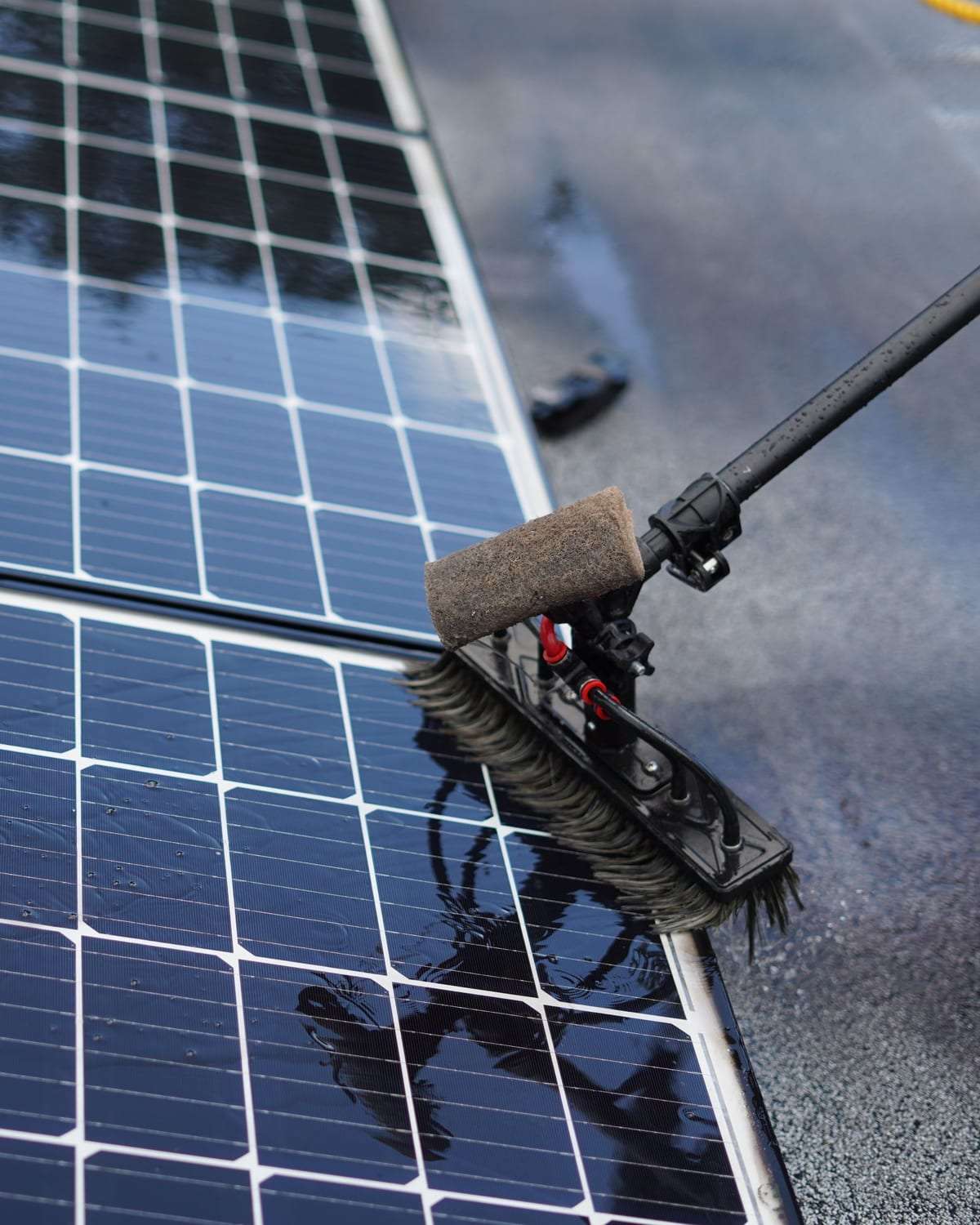
Farms are exposed to dust and blowing soil, and dirty panels mean less water pumped that same day. Regular cleaning with low-mineral water, and a shaded, ventilated controller, keep the water flowing. More in our guide to dust, heat and cleaning and on maintenance and cleaning.
Typical project steps
- 1. Request
You send your city, approximate well depth, water need and irrigation method.
- 2. Survey
Well, existing pump, irrigation system and the spot for panels and tank are checked.
- 3. Written quote
Panel capacity in kWp, pump and controller type, expected pumping volume and warranties.
- 4. Installation and commissioning
Frame, panels and pump installed, then testing, measuring actual flow and handover.
Warranties and maintenance
Ask about the panel warranty, the pump and controller warranty and the workmanship warranty. Maintenance is fairly simple: clean the panels, check connections and sensors, track pumped volume and have the pump inspected if water drops for no clear reason. More in our warranties and maintenance guide.
What affects the cost?
We don’t publish prices or savings figures, because every well is different. The main factors:
- Total head
Well depth, tank height and irrigation pressure.
- Daily water need
Sets pump power and the number of panels.
- Pump
Whether the existing pump will do or needs replacing.
- Tank and pipes
Tank size, pipe condition and distances.
- Frame
Fixed or sun-tracking.
Compare quotes on the same water volume and head. See our solar cost guide.
Financing options in general
Some farm owners pay outright; others use financing or instalments. We don’t recommend lenders or quote rates — ask each installer about their options and compare the terms.
Questions to ask before signing
- What depth, head and water volume is the design based on?
Get them in writing, with expected summer pumping volume.
- Can my existing pump be used?
And if not, why you recommend replacing it.
- How is the pump protected from dry running?
Water-level sensors and controller settings.
- Are you licensed for electrical work?
Ask for the commercial registration and licence and check them.
Solar water pumps: common questions
Does a solar pump work without batteries?
Yes, and that is the most common setup. It pumps by day into a tank, so the tank is the storage instead of a battery.
Can I use my existing pump?
Sometimes, if it is in good condition and suits the controller. The installer decides after checking the well and pump.
What happens on cloudy or dusty days?
Less water is pumped that day. That is why the tank is sized to give a reserve, and some farms keep the generator for emergencies.
Can the system run a centre pivot?
It can, but it needs a large system and careful design for pressure and flow, sometimes as a hybrid with a generator or the grid.
Do I need a permit for the well?
There may be requirements for drilling wells and using groundwater. Check with the responsible authority before drilling a new well or deepening an existing one.
Do you install pumps yourselves?
No. SaudiSolar only compares offers: with your consent we pass your request to qualified installers, and the contract is between you and the installer you choose.
Compare solar water pump quotes for your farm
One request with your city, well depth, water need and irrigation method brings quotes from qualified installers. Free, no obligation.