For farms and remote sites
Off-grid and hybrid solar systems
On many farms, istirahas and remote sites, electricity means a diesel generator running for long hours: fuel to haul in, frequent servicing, noise and fumes, and no power when it breaks down. This is one of the clearest cases where solar with batteries deserves a serious look.
Send one request with your type of site, city, the loads you want to run and your current power source, and qualified solar installers send quotes for an off-grid or hybrid system designed for your site.
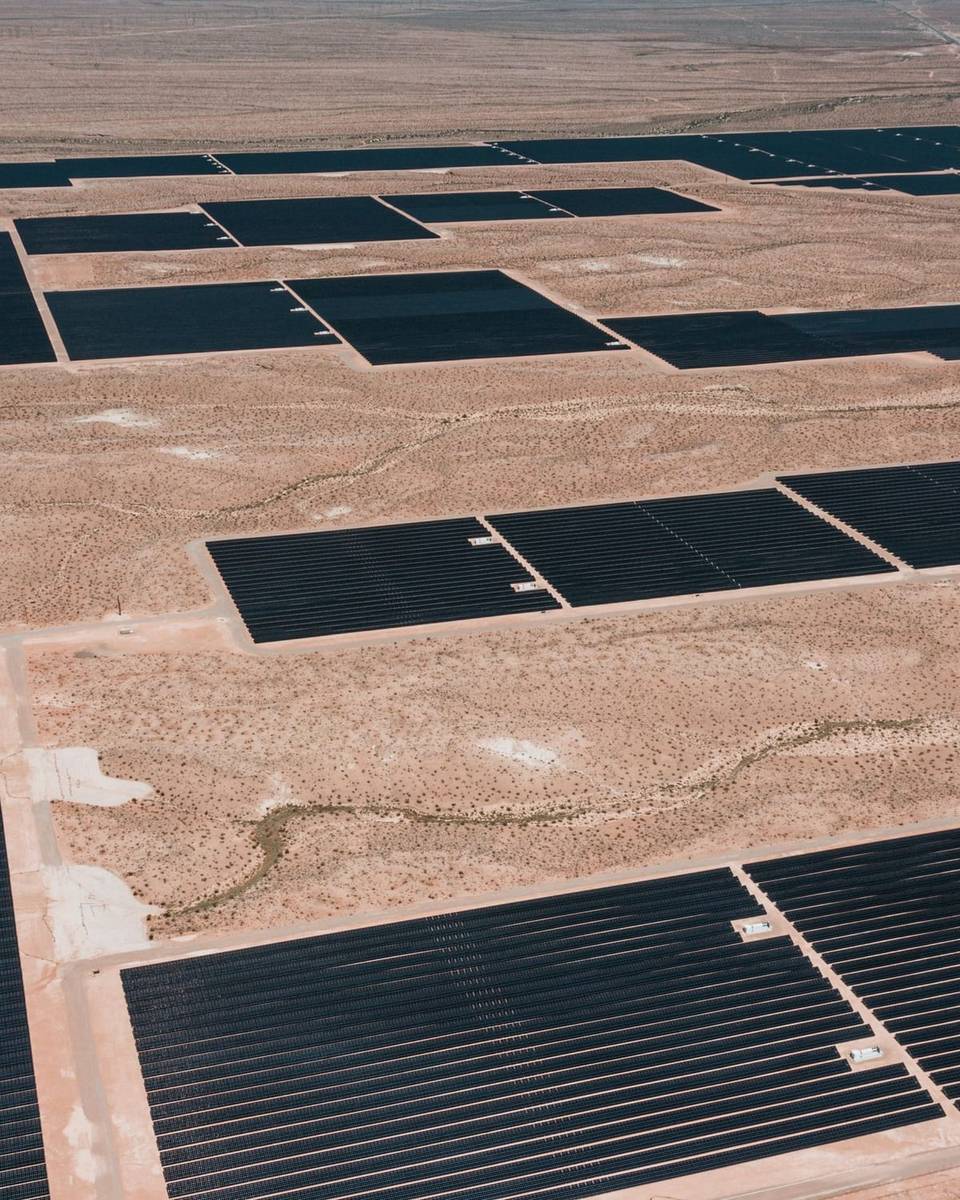
Off-grid, hybrid or grid-tied: the difference
Off-grid
No grid at all. Panels charge the batteries by day, and the inverter runs your loads from both. It suits sites far from the grid and needs careful design, since the batteries are the only source after dark.
Hybrid with a diesel generator
Solar and batteries cover most of the time; the generator starts automatically when batteries run low or loads peak, so it runs far fewer hours.
Grid-tied
If a stable grid is available at your site, grid-connected solar is usually simpler and cheaper than an off-grid system, with the option of batteries for essential loads only.
Who it suits — and when it isn’t the best choice
The strongest cases are sites that run on a diesel generator today: remote farms, istirahas and chalets, work sites, towers and permanent camps. Every hour the generator is off means less fuel and less servicing.
It needs a closer look when most loads are at night — an istiraha used in the evening with heavy air conditioning, say — because everything used at night must come from batteries. A hybrid, or fewer night-time loads, may be more realistic.
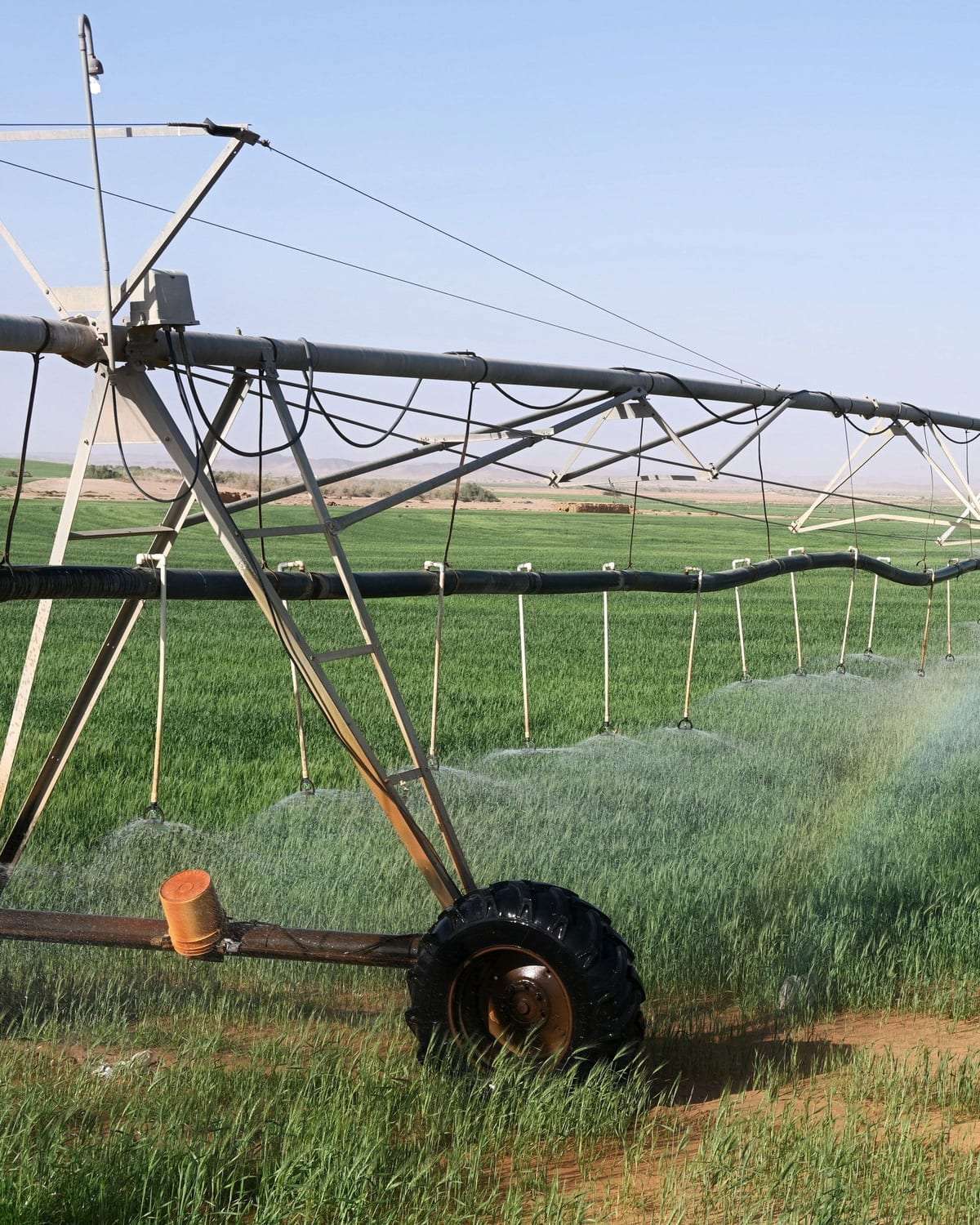
It may not pay off where a stable grid is available and consumption is low: a battery-based off-grid system costs more than connecting to the grid. And if the farm mainly needs power for pumping, look at solar water pumps, which work without batteries.
System components in general terms
Solar panels
On a roof, shade structure or ground frame, enough to cover daytime loads and charge the batteries.
Hybrid or off-grid inverter
Manages panels, batteries and the generator in one or more units, and must handle the peak load and start-up current.
Batteries
Lithium (LFP) batteries are the most common today; lead-acid is still used, with a lower upfront cost and a shorter life. More on the batteries page.
Generator integration
A changeover panel and an auto-start signal so the generator starts and stops according to battery charge.
Protection and monitoring
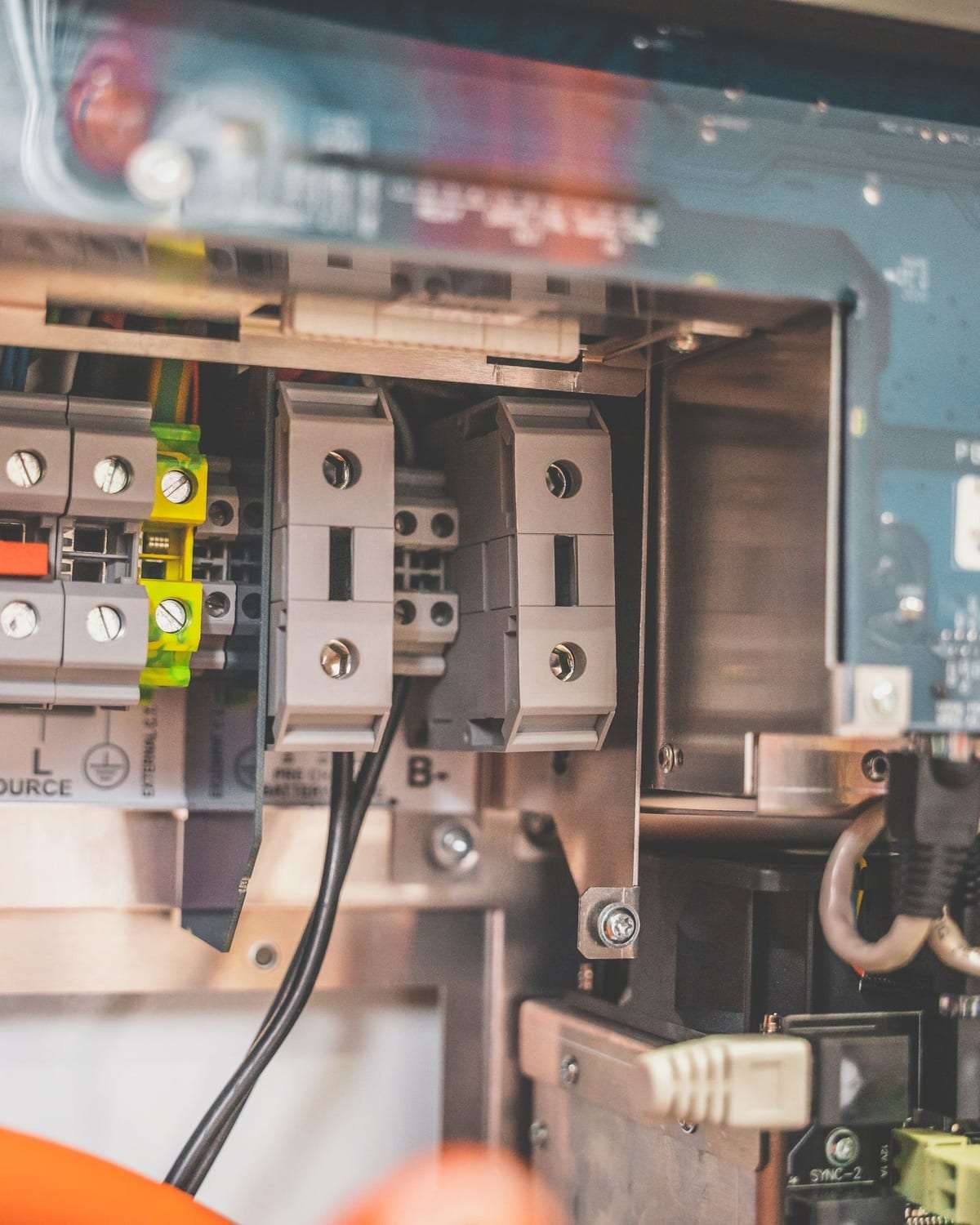
Breakers, earthing and lightning protection, and monitoring that shows production, battery charge and generator hours on your phone.
How the system is sized
Size comes from a load list, not roof area or a bill: every appliance you want to run, its power, its daily hours and whether it runs by day or night. Air conditioners, pumps and fridges usually set the size.
Panels are sized to cover daily consumption and charge the batteries; the battery bank is sized by night-time use and days of autonomy — how long the system must last without enough sun or a generator. More autonomy means bigger batteries; a backup generator reduces the need.
Watch for start-up loads: pumps and air conditioners draw a high current at the moment they start, and the inverter has to handle it. Try the solar calculator for a first estimate and read our off-grid vs hybrid vs grid-tied guide.
What happens during the site survey
The engineer goes through the load list with you and asks about usage: is the istiraha only used at weekends? Are there worker housing and fridges running around the clock? Then they check panel locations and shading, a place for batteries and the inverter, and the existing generator and switchboard.
Have the generator rating and rough running hours, switchboard photos and any expansion plans ready. A good quote states the loads the design is based on.
Integrating the generator and batteries
In a hybrid system the generator is part of the design, not a stopgap. The inverter starts it when the batteries run low, it charges them and feeds the loads, then it stops. That cuts running hours and protects the batteries from deep discharge.
Connecting the generator, batteries and switchboards is electrical work for a licensed electrical contractor. Battery placement matters: a shaded, ventilated room away from heat sources and bedrooms, following safety and Civil Defense requirements. If the grid is nearby and you may connect later, ask for an inverter that supports it from the start.
Heat and dust at remote sites
Dust lowers output until panels are cleaned, which off-grid means emptier batteries and more generator hours. Heat lowers panel efficiency and shortens battery life, so shade and ventilation for the battery and inverter room matter most. Plan for cleaning water and remote monitoring. Read our guide to dust, heat and cleaning.
Typical project steps
- 1. Request and load list
You send the site type, loads and current generator; installers contact you to book a survey.
- 2. Survey and design
Daily and night-time consumption, days of autonomy, and panel and battery size are set.
- 3. Written quote
Capacity in kWp, battery capacity in kWh, inverter type, generator integration and warranties.
- 4. Installation and commissioning
Installation and testing, including automatic generator changeover, then handover.
Warranties to ask about
Off-grid, the battery warranty matters as much as the panel warranty. Ask about its length and conditions: cycle count, depth of discharge and operating temperature. Add the inverter and workmanship warranties, and know who handles claims. More in our warranties and maintenance guide.
What affects the cost?
We don’t publish prices because cost depends on the loads and the site. The main factors:
- Night-time loads
Everything used after sunset needs battery storage, usually the largest share of the cost.
- Days of autonomy
More days mean a bigger battery bank; a backup generator reduces it.
- Battery type
Lithium or lead-acid, with its lifespan and warranty.
- Inverter and protection
Rating, start-up current handling and generator integration.
- Location
Distance, access, mounting type and cable lengths.
Compare quotes on the same load list and days of autonomy. See our solar cost guide.
Financing options in general
Some farm and site owners pay outright; others use financing from a lender or instalments offered by the installer. We don’t recommend lenders or quote rates — ask each installer and compare the terms.
Questions to ask before signing
- Which loads is the design based on?
Ask for the load list and daily and night-time consumption in writing.
- How many days of autonomy does it cover?
And is the generator part of the design or not?
- Where will the batteries go, and how are they kept cool?
Location, ventilation and safety requirements.
- Are you licensed for electrical work?
Ask for the commercial registration and licence and check them.
Off-grid and hybrid solar: common questions
Can I get rid of the generator completely?
You can, but it takes more batteries to cover nights and cloudy or dusty days. Many sites choose a hybrid: solar covers most of the time and the generator is backup only.
Will air conditioning run on an off-grid system?
Yes, if the system is designed for it. AC units are among the largest loads, and running them at night needs large batteries, so list them clearly in your request.
What is the difference between a hybrid and a standard inverter?
A hybrid inverter manages panels, batteries and another source such as a generator or the grid; a standard grid-tied inverter won’t run without the grid.
We only use our istiraha at weekends — is it worth it?
A smaller system can charge the batteries during the week and cover the days you are there. What matters is that the installer knows your real usage pattern.
Can I expand the system later?
Usually, if the inverter and batteries support expansion. Ask before you sign.
Do you install systems yourselves?
No. SaudiSolar only compares offers: with your consent we pass your request to qualified installers, and the contract is between you and the installer you choose.
Related services
Helpful guides
Compare off-grid and hybrid quotes for your site
One request with your site type, loads and current power source brings quotes from qualified installers. Free, no obligation.