For factories and industrial sites
Solar power for factories
A factory’s electricity bill is a fixed operating cost that comes back every month, and much of it is spent during the day: production lines, air compressors, hall cooling and offices. That makes factories one of the strongest cases for solar in Saudi Arabia — provided the study is built on the plant’s real loads, not a generic estimate.
We don’t sell or install anything. You send one request with your type of plant, city and bills, and with your consent we pass it to qualified installers experienced in industrial solar, so you can compare their quotes on the same basis.
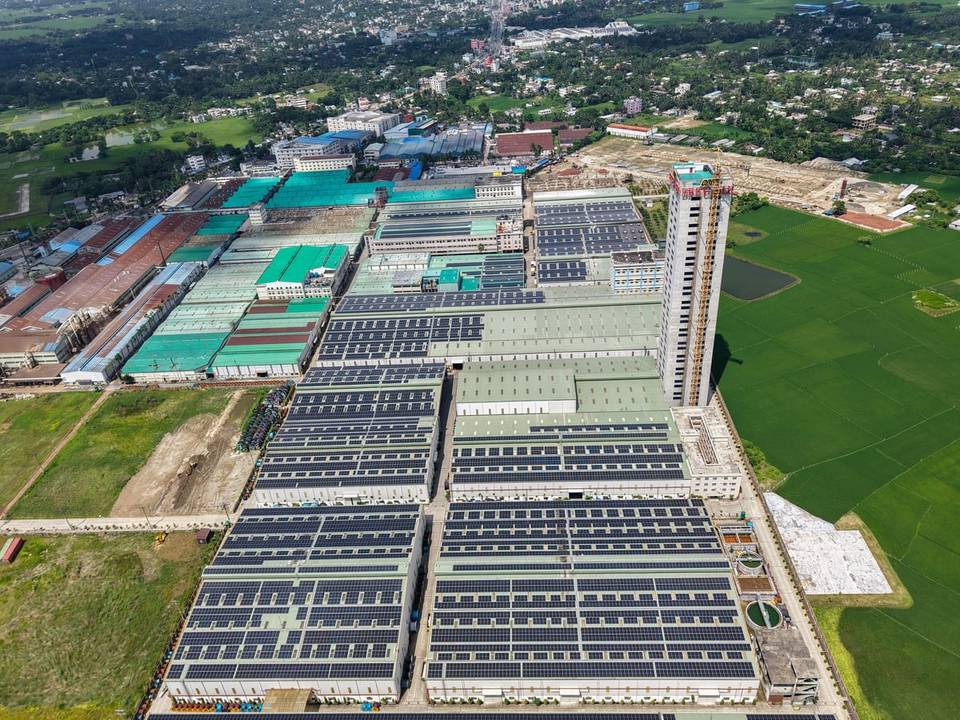
A factory’s energy profile: when is power used?
The engineer’s first question is how many shifts you run. A plant on a single day shift uses most of its power while the panels are producing, so solar energy is consumed on site — the best case. A plant running around the clock benefits too, but solar covers only part of the day and the night stays on the grid.
The type of load matters as well. Compressors, large motors, water pumps, electric heating and cold rooms all behave differently, and some draw a high current when they start. A serious installer asks for consumption readings and equipment details, and sometimes logs the load for a short period before designing — which is what an energy audit provides.
Factory roofs and available land
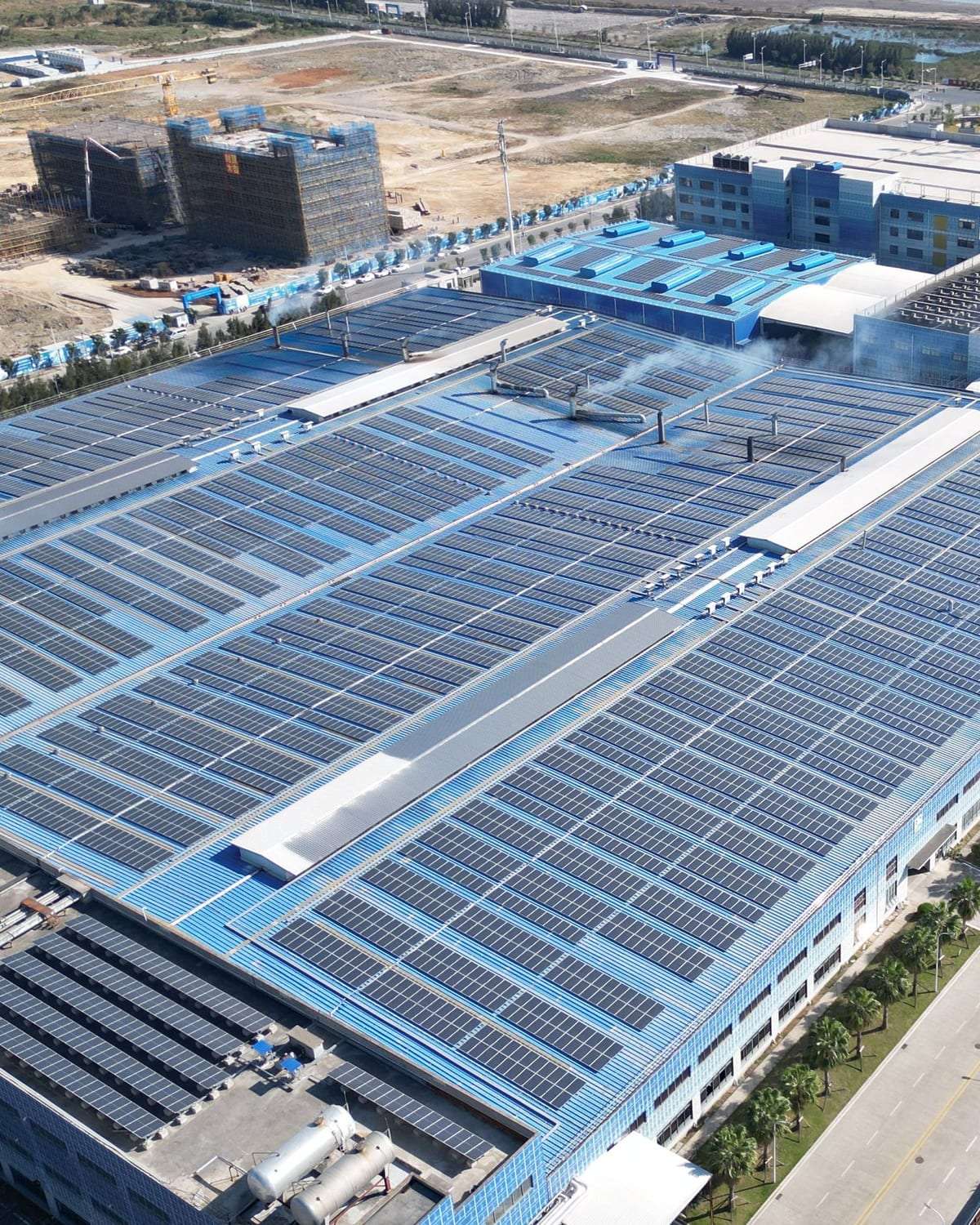
Most factories in industrial cities have light metal roofs (sandwich panels or profiled sheet). These suit solar if the trusses can carry the extra load and the sheeting is in good condition; panels are fixed on rails to the purlins rather than heavy concrete ballast. If the roof is old, leaking or rusting, repair it first — removing panels later is expensive.
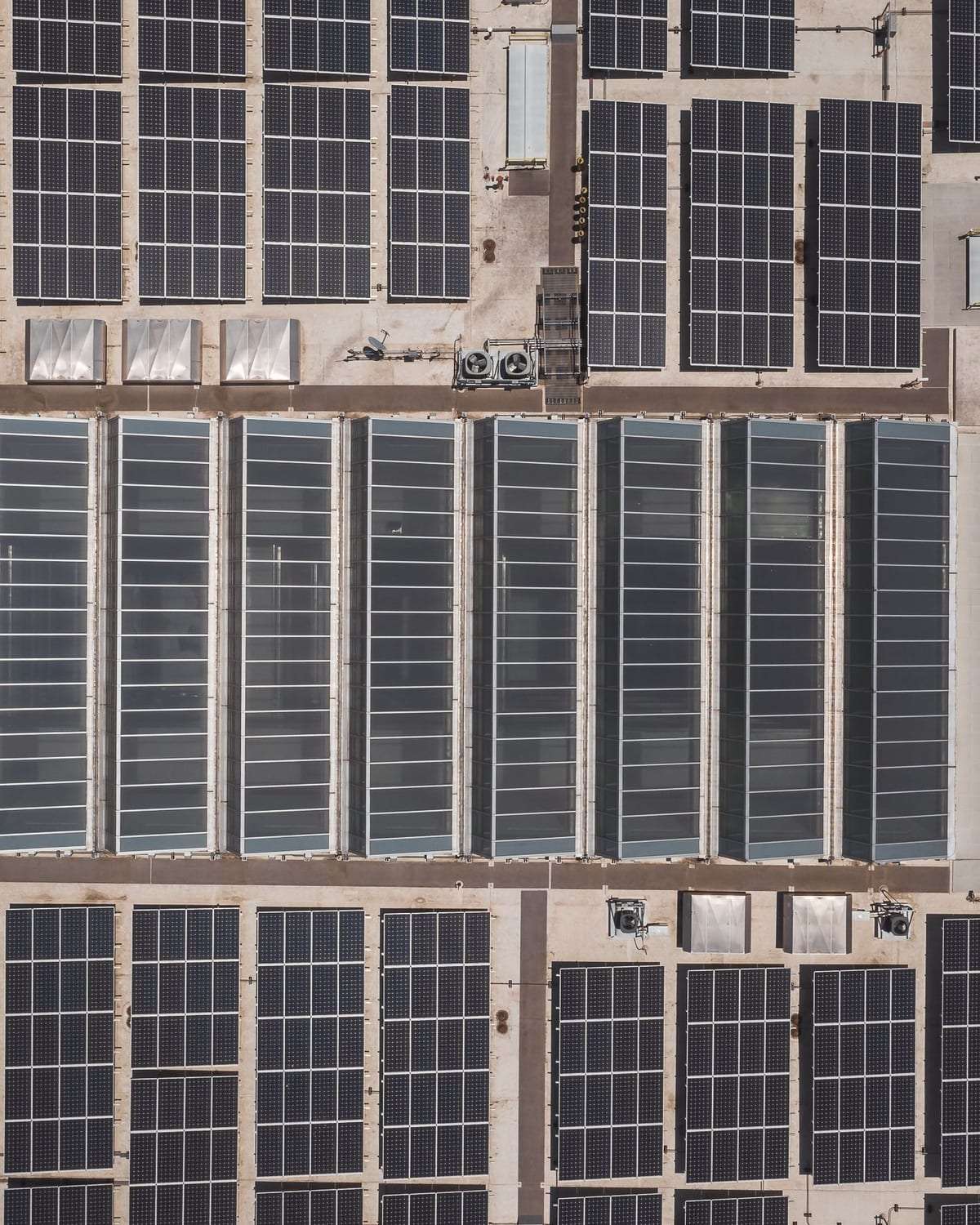
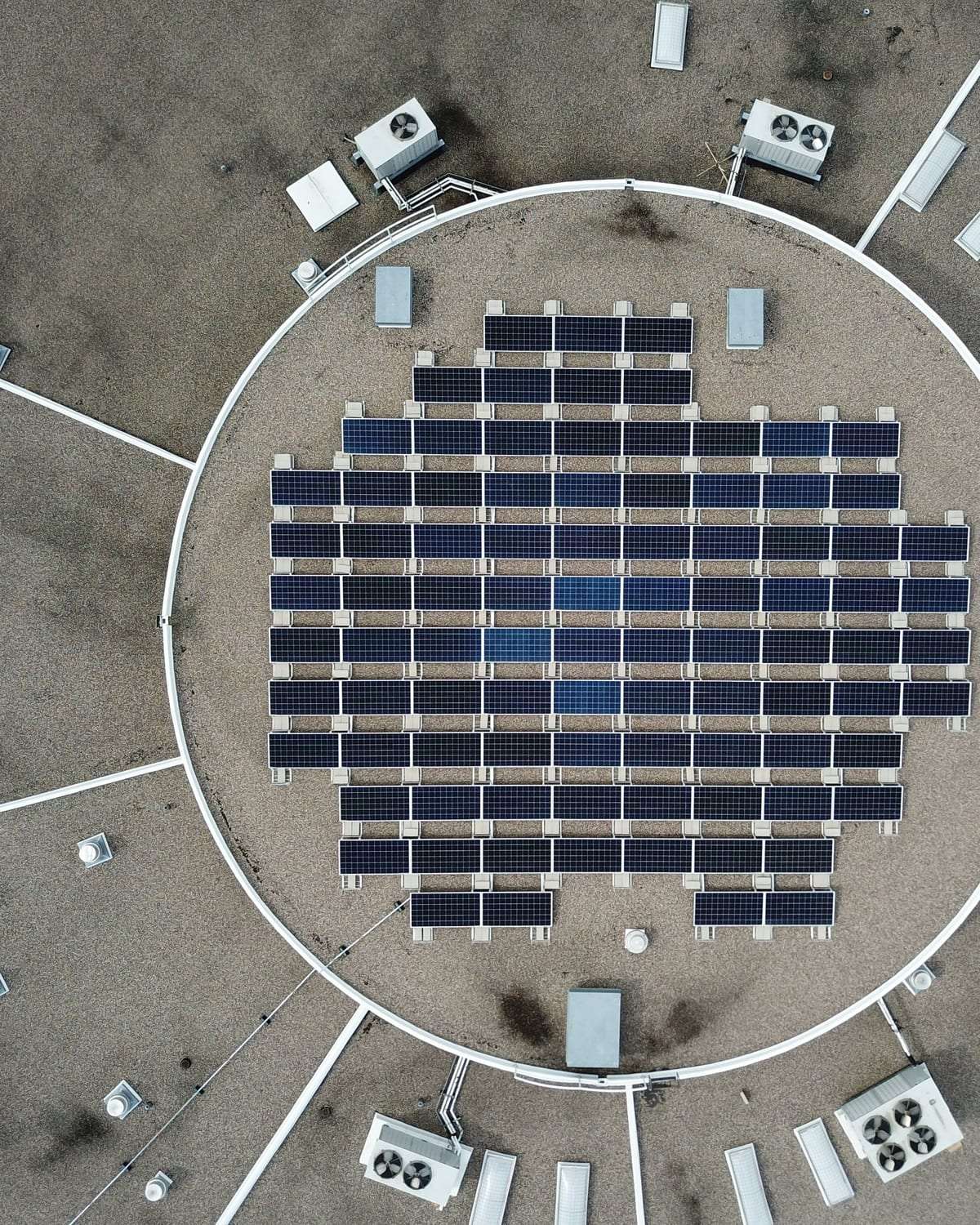
Concrete roofs allow ballasted frames and a better tilt, but watch for stacks, vents and AC units that cast shade or need clearance. If you have empty land inside the factory fence, a ground-mounted array is worth studying. Start with a rough area estimate in the solar calculator.
If the plant sits on a leased plot in an industrial city, read the lease and its remaining term first, and confirm the landlord or operator agrees to installation and connection.
Carports over staff and truck parking
Staff car parks at factories are usually exposed to the sun all day. Solar carports add a second production area and shade the cars at the same time, which helps especially when the roof can’t take the load. The structure usually costs more than rooftop mounting, so treat it as an addition rather than the first option. Truck loading yards are harder, as the canopy must clear truck heights and crane or forklift movement.
Does a factory need batteries or a generator?
A grid-connected factory system shuts down automatically during a power cut for safety reasons, so don’t expect it to keep the lines running. If you have critical loads that can’t stop, the usual answer is dedicated batteries or a hybrid system for those loads only, or keeping the standby generator and integrating it properly with the solar system.
At remote sites that run on diesel generators all the time, the numbers change completely and solar alongside the generator can be one of the clearest cases. Designing that integration is work for a licensed electrical engineer, not something improvised on site.
What to include in your quote request
The clearer your information, the more accurate and comparable the quotes:
- 12 months of bills at least, because summer consumption differs a lot from winter.
- Operating hours and shifts, shutdown days and any planned expansion.
- Roof drawings, roof type (metal or concrete), age and condition, and the area of any free land.
- A single-line diagram of the switchboards if you have one, plus subscription capacity and transformers.
- Ownership status: owned or leased land, and the remaining lease term.
Check that the installer is qualified for grid connection and that the proposed size fits the regulatory limits — larger industrial systems may follow a different route. Read our guide to solar for factories and warehouses and what drives the cost.
Solar for factories: common questions
Our plant runs 24 hours. Is solar still worth it?
Often yes, but keep expectations realistic: the system covers part of the daytime consumption only. The benefit depends on the size of the daytime load and the roof area.
Can a metal roof carry the panels?
Many metal roofs can, but don’t assume it. Ask the installer for a structural check of the trusses and sheeting before the design is approved.
Can solar cover all of the factory’s consumption?
Rarely. Space, night operation and the regulatory limits on connection make partial coverage the realistic goal. Try the calculator for a first estimate.
Will the system affect power quality for our machines?
A well-designed system with approved inverters shouldn’t cause problems, but ask for a power-quality review if you run sensitive equipment.
Do you contract with us directly?
No. SaudiSolar only passes your request, with your consent, to qualified installers; the contract and warranty are between you and the installer you choose.
Helpful guides
By business type
Available in these cities
Request solar quotes for your factory
Send your type of plant, city and approximate bill, and qualified solar installers will send quotes. Free, no obligation.