For homes and villas
Home rooftop solar
Let’s be straight first: residential electricity in Saudi Arabia is relatively cheap, so a small home with a low bill may need many years to recover the cost of a system from savings alone. That doesn’t mean solar is wrong for homes, but it does mean the decision needs a calm calculation rather than enthusiasm.
A home system makes more sense for large villas with high summer bills, when you need backup power during outages, if sustainability matters to you, or if you plan an EV charger. Send one request with your city, approximate bill and roof type, and qualified installers serving your area send quotes.
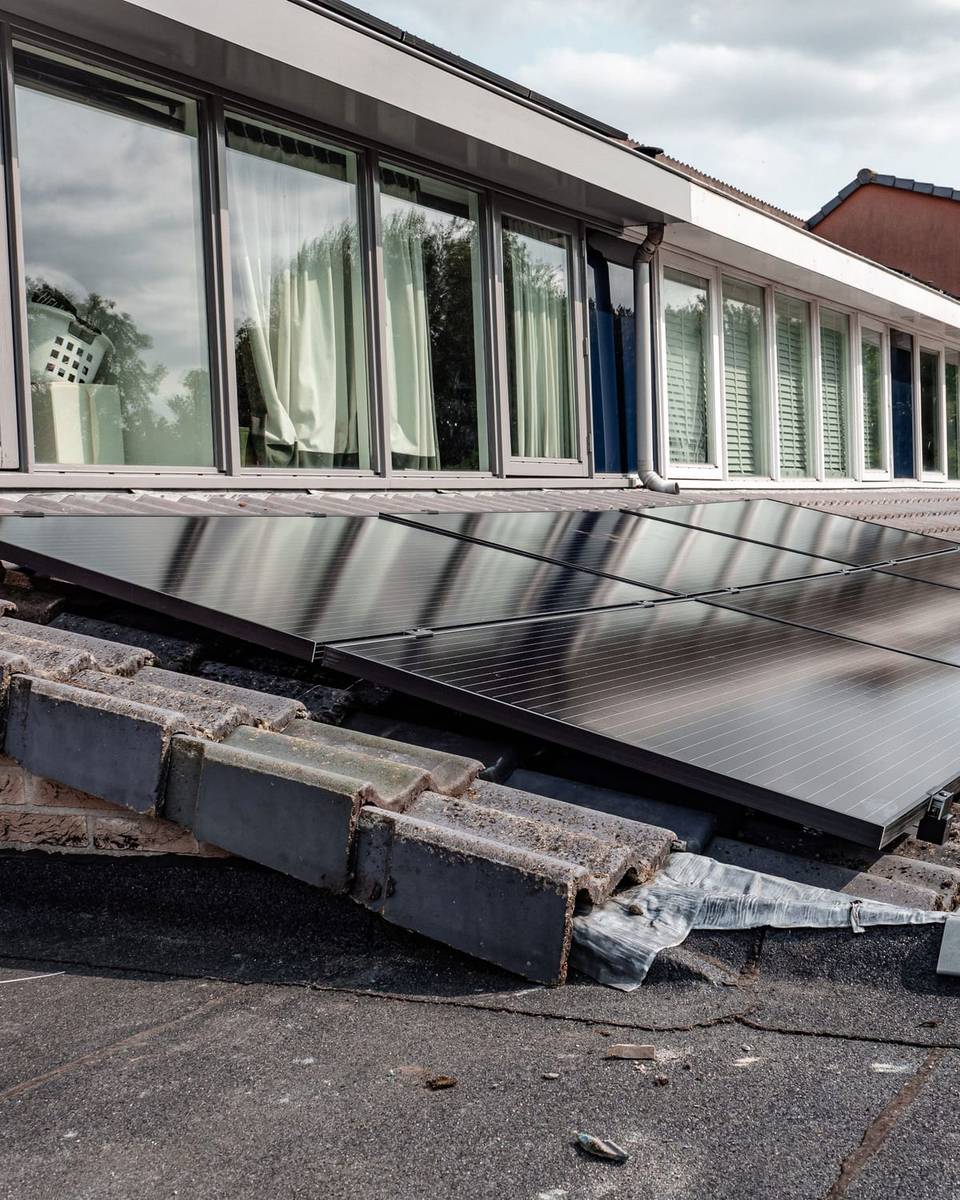
How a home solar system works
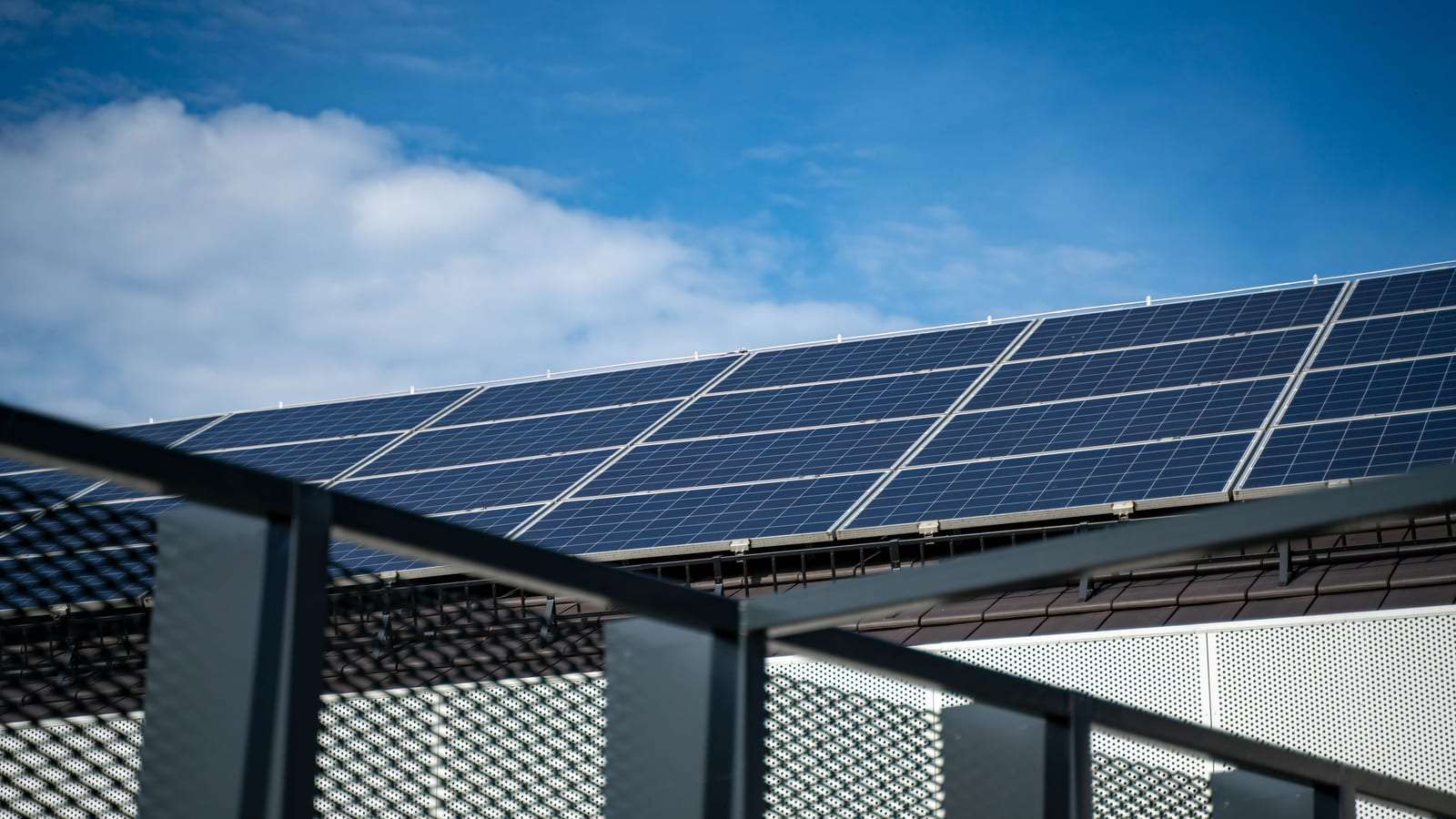
Panels on the roof produce direct current (DC), and the inverter converts it into alternating current (AC) for the home’s loads: air conditioning, fridges, lighting and appliances. What the system produces is used in the house first, so you draw less from the grid during the day.
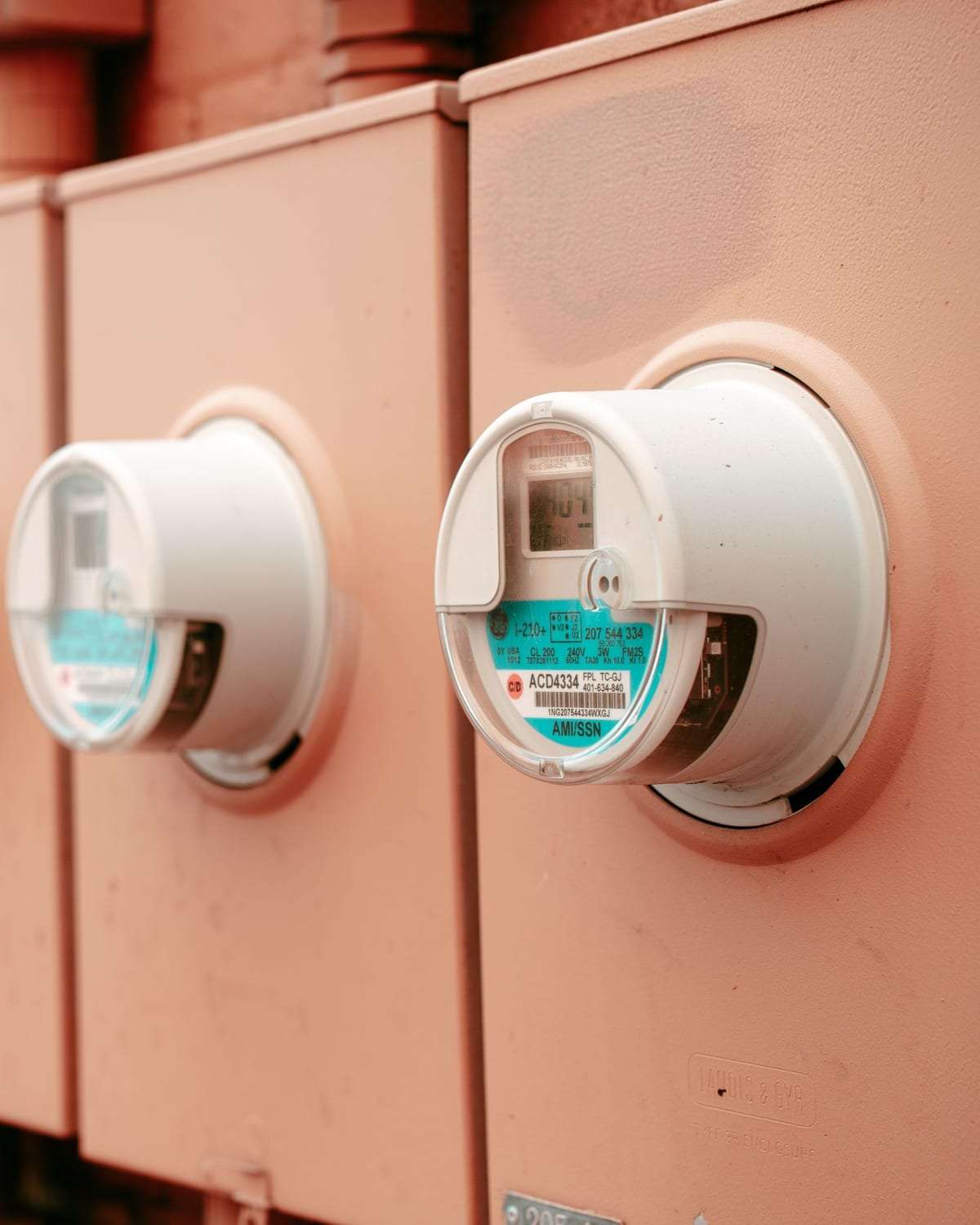
A grid-connected system gets a bidirectional meter, and surplus is exported and credited under the regulatory framework. A hybrid system adds batteries that store part of the daytime output for the evening or an outage. Details on grid-connected solar.
Who really benefits — and who may not
Being honest here saves you time and money:
Usually a good fit
Large villas with high summer bills and a wide, unshaded roof; homes that need backup for essential loads; owners who want to rely less on the grid for environmental reasons; and anyone planning a home EV charger.
Needs a careful calculation
Mid-sized homes with average bills, or roofs crowded with water tanks and AC units. A small system covering part of the daytime use may be the realistic option.
May not pay off yet
Flats and small homes with low bills, short-term tenants, or roofs that need waterproofing or repair soon. A solar water heater may be a simpler start. Read is solar worth it?.
Home system components in general terms
Solar panels
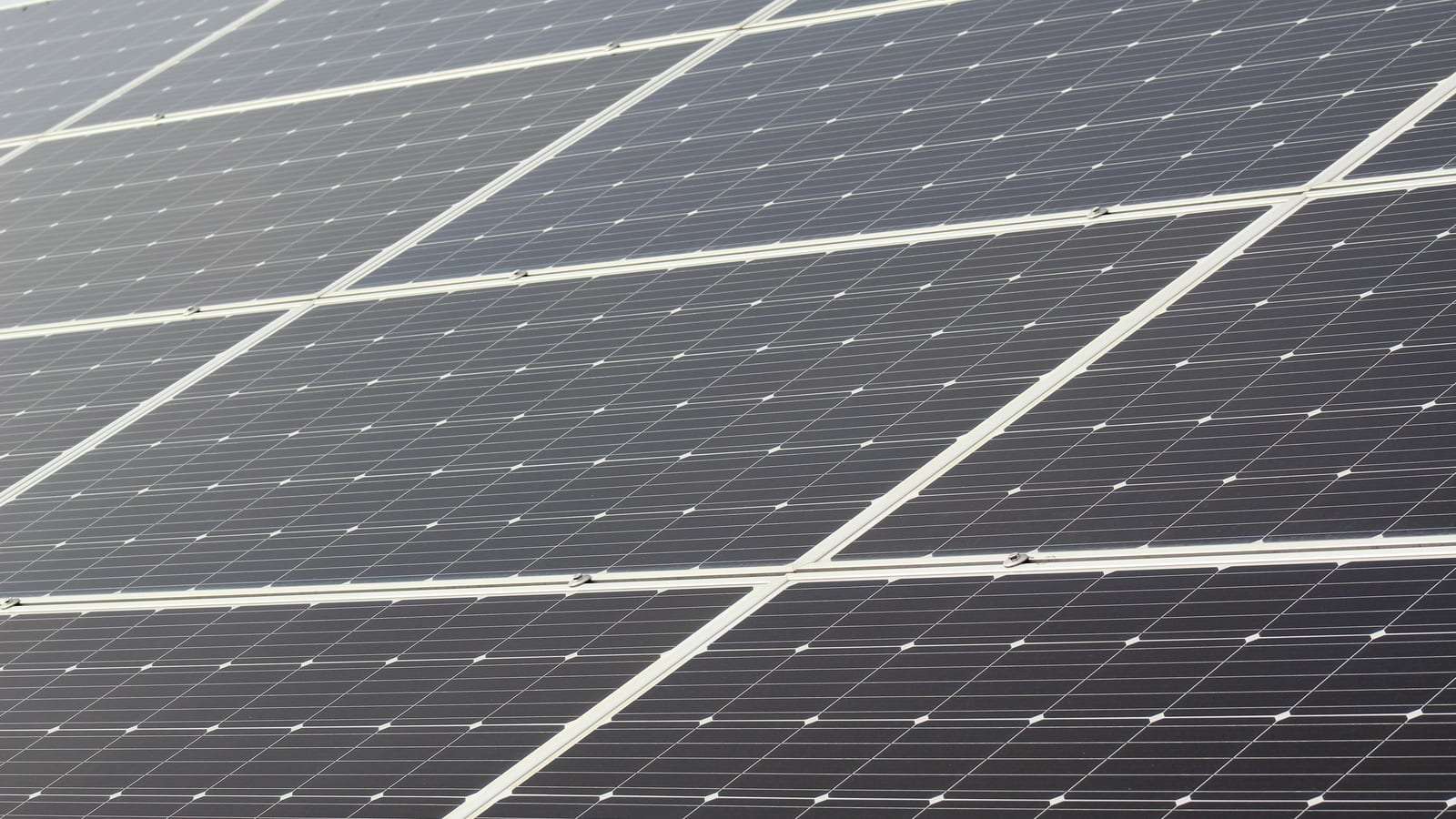
Usually monocrystalline. What matters is an approved class, a clear warranty and good heat tolerance — not a particular name.
Inverter
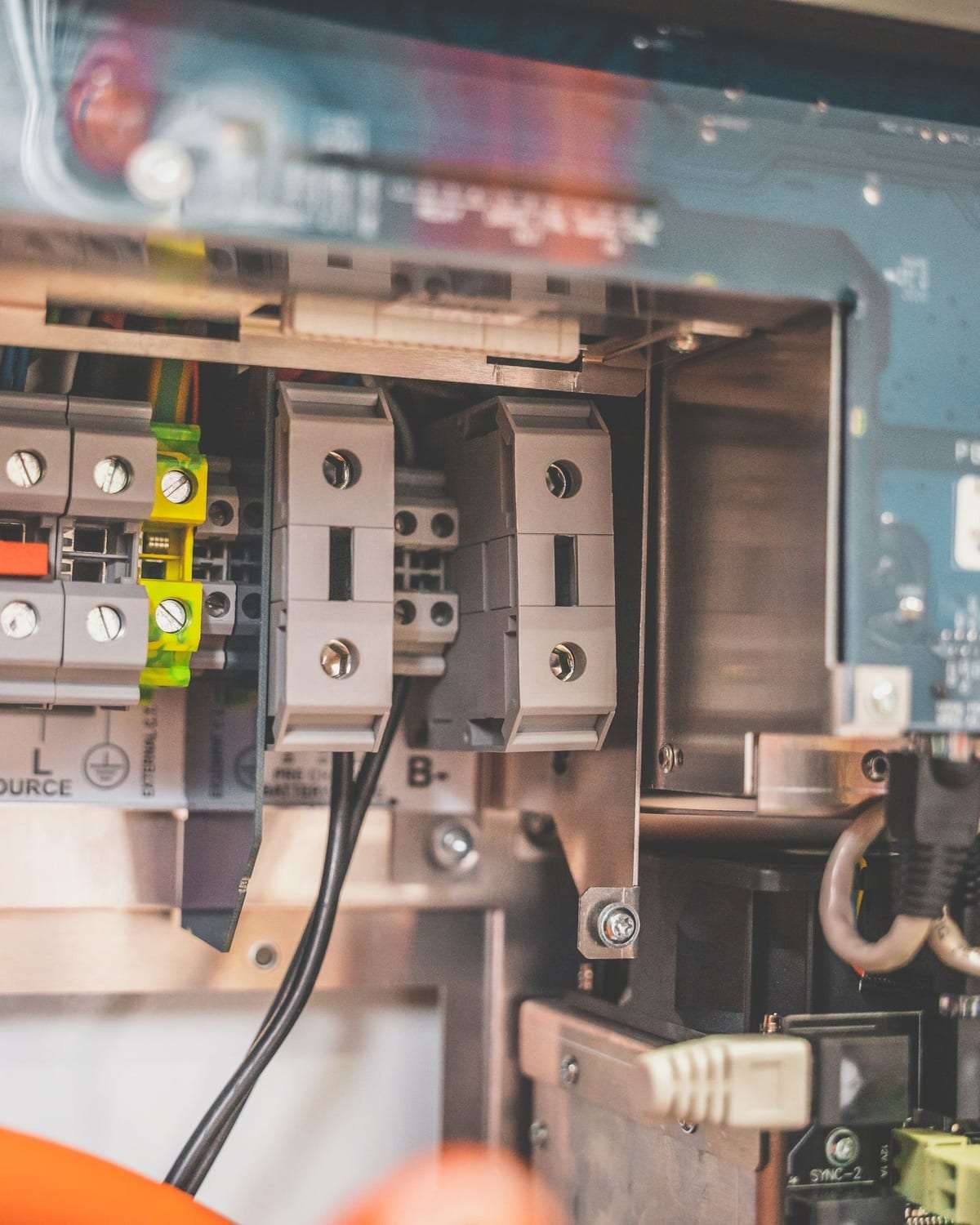
A grid-tie inverter for grid-connected systems, or a hybrid inverter that manages panels, batteries and grid together. Installed in a shaded, ventilated spot.
Batteries (optional)
Lithium batteries sized for essential loads during an outage, not the whole house. Installed in a safe, ventilated place away from bedrooms. Read when batteries are worth it.
Mounting
Ballasted or anchored frames on the concrete roof, or an elevated frame above tanks and AC units, with maintenance access.
Protection and monitoring
Breakers, earthing, lightning protection and a phone app showing production and consumption.
What happens during the home survey
The survey starts with a full year of bills, because the gap between summer and winter in homes is large due to cooling. The engineer then measures the flat concrete roof and maps shade from water tanks, AC units, high parapets, roof rooms and neighbouring buildings.
They also check the roof waterproofing, the main switchboard, where the inverter and batteries will go, and the cable route. If the waterproofing is old, renew it before installation — removing the system later is costly. Try the solar calculator before the survey for a first estimate.
Grid-connected or hybrid? Connecting through SEC
A grid-connected system without batteries is the simplest, but it shuts down during a power cut for safety reasons. A hybrid system with batteries costs more and keeps essential loads running during an outage. Choose based on how much backup you actually need.
Grid connection goes through an application to the Saudi Electricity Company under the small-scale solar regulation, with a technical review, inspection and a bidirectional meter, and there are limits on system size. Installation and connection are handled by a qualified company using approved equipment — not a DIY project.
If you rent, you will usually need the owner’s written consent, and you should weigh how long you will stay before investing.
Heat and dust on home roofs
High temperatures lower panel efficiency slightly, and dust blocks part of the light until it is cleaned. On homes, cleaning is easier when there is safe roof access and a water point nearby.
Raising the panels a little above the roof improves ventilation and shades the roof itself. The inverter and batteries must stay out of direct sun. Read our guide to dust, heat and cleaning.
Typical project steps
- 1. Request and bills
You send your city, approximate bill and roof type; installers contact you for a survey.
- 2. Survey and design
Roof, shade and waterproofing checks, then a design with system size and expected production.
- 3. Written quote
Capacity in kWp, panel and inverter class, any batteries, warranties and connection steps.
- 4. Approvals and installation
Connection procedures, then installation and testing. Timing depends on approvals.
- 5. Commissioning
The system is switched on after inspection, monitoring is set up and warranties handed over.
Warranties to ask about
Ask about the panel product warranty, the performance warranty, the inverter warranty and the battery warranty if any. On homes the most important is the workmanship warranty, because it covers roof leaks caused by the mounting — one of the most common complaints from villa owners.
Get each warranty period in writing and who handles claims. More in our warranties and maintenance guide.
What affects the cost of a home system?
We don’t publish prices or payback periods because they differ from house to house. These are the main factors:
- System size
Capacity in kWp, set by consumption and roof space.
- Grid-connected or hybrid
Batteries add significant cost, so define your backup need first.
- Equipment class
Panel efficiency, inverter type and warranty periods.
- Mounting
An elevated frame above tanks and AC units costs more than standard frames.
- Roof condition
Waterproofing and any repairs before installation.
Compare quotes on the same capacity, equipment class and warranties. Read our solar cost guide and how to size a system from your bill.
Financing options in general
Most homeowners pay directly, and some installers or lenders offer instalments. We don’t recommend lenders or quote rates. Keep in mind that financing costs lengthen the payback, so include them before you sign.
Questions to ask before signing
- How did you size the system and estimate savings?
Ask for the calculation in writing from your actual bills, and be wary of big savings promises.
- Are you qualified for grid connection?
Ask for proof of qualification and electrical licence, and check them yourself.
- How do you prevent roof leaks?
The mounting method, and the warranty on waterproofing.
- Where will the batteries go?
Location, ventilation and safety requirements.
Home rooftop solar: common questions
Is solar worth it for my home?
It depends on your bill, your roof and why you want it. With relatively cheap residential electricity, a small home with a low bill may take many years to pay back. Large villas and homes that need backup benefit more. Try the calculator.
Will the system work during a power cut?
A grid-connected system without batteries shuts down during an outage for safety reasons. You need a hybrid system with batteries to keep essential loads running.
Can solar run my air conditioners?
It covers part of the daytime cooling load, but rarely the whole house in summer, especially at night.
I’m a tenant — can I install panels?
You will usually need the owner’s written consent, and you should think about how long you will stay. A system is a long-term decision.
Can I install it myself?
No. Electrical work and grid connection must be done by qualified, licensed professionals only — for your safety and for the connection to be accepted.
Do you sell panels?
No. SaudiSolar only compares offers: with your consent we pass your request to qualified installers, and the contract and warranty are between you and the installer you choose. More on home solar and in our villa guide.

Compare solar quotes for your villa
One request with your city, approximate bill and roof type brings quotes from qualified installers. Free, no obligation.