For warehouses and distribution centres
Solar power for warehouses
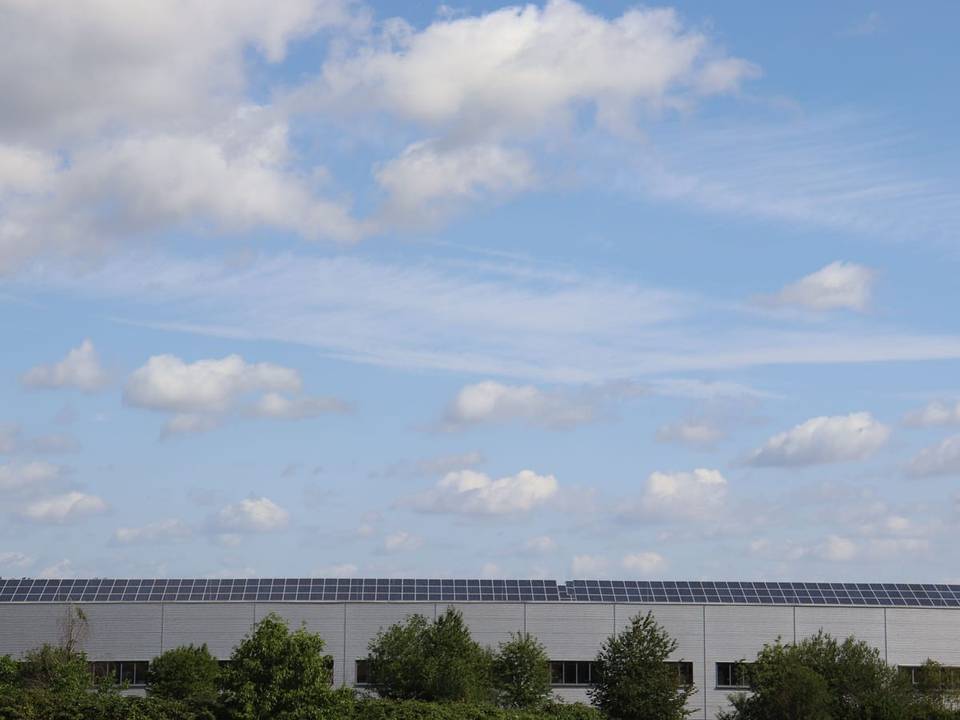
A warehouse often has the largest roof around — flat and in the sun all day. But a big roof alone isn’t enough: the case depends on how much electricity the warehouse uses during the day, whether it is dry or cold storage, and whether the building is owned or leased.
Send one request with your type of warehouse, city and bills, and with your consent we pass it to qualified installers of commercial rooftop solar so you can compare their quotes yourself.
Energy profile: dry or cold storage?
Cold stores, freezer rooms and cold-chain sites use a lot of power day and night, and the compressors work hardest in the hot midday hours — exactly when panels peak. This is one of the strongest cases for solar in logistics.
A dry warehouse that runs lighting, offices and electric forklift charging may have a small bill compared with its roof. Don’t fill the whole roof in that case: the system is sized to consumption, and surplus exported to the grid is credited under net billing, not at the value of power you use yourself. Be honest with yourself — if the bill is low, the return may be slow.
If you run two shifts or charge forklifts overnight, say so, as it changes the design.
Metal roofs and skylights
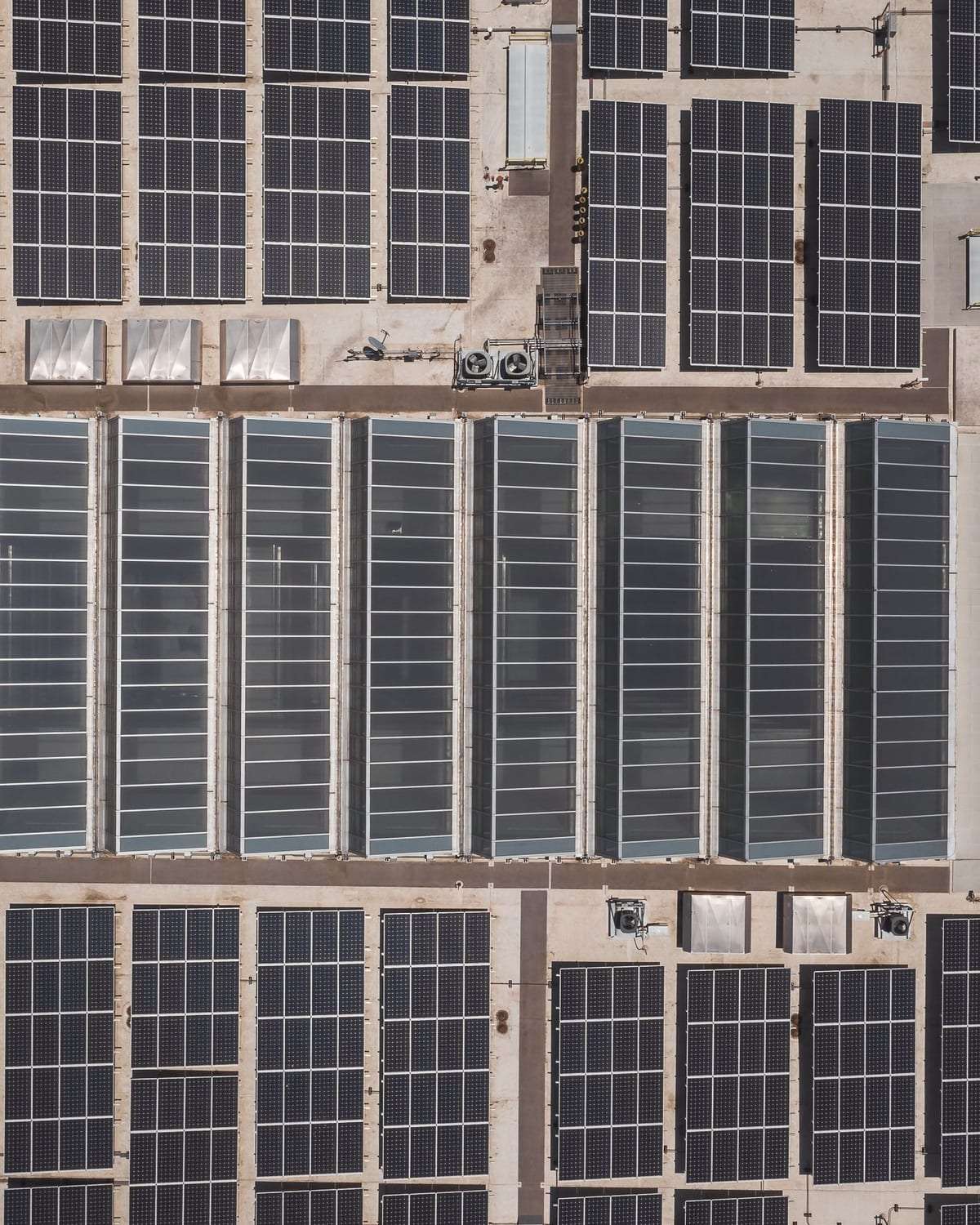
Most warehouses have metal roofs on steel frames, sometimes designed to the minimum weight. A structural check is therefore essential: the trusses and purlins must carry the panels, rails and wind loads. Panels can’t go over translucent skylight sheets, and safe walkways must be left around them.
If the sheeting is old, rusting or leaking, discuss replacing or repairing it before installation. In warehouses storing flammable goods, Civil Defense requirements and firefighting access on the roof decide where panels can go.
Leases: many warehouses are rented. The system needs the owner’s written consent and a lease long enough to benefit from it. Sometimes the owner is the better party to invest, then agrees a suitable arrangement with you.
Carports and truck yards
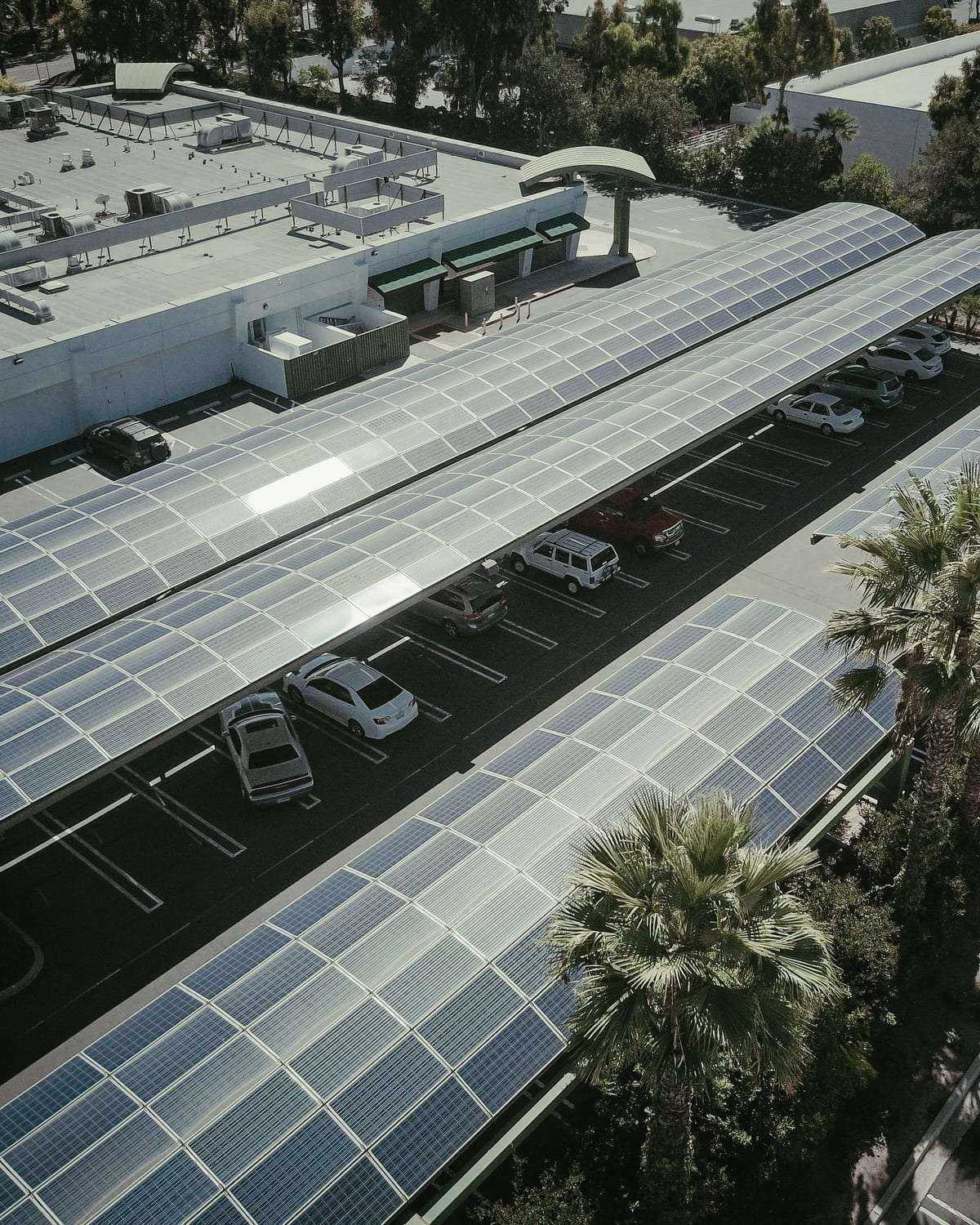
With such a large roof you rarely need extra space. But if the roof can’t carry the weight, or cooling pushes consumption up, staff parking is a good spot for solar carports. Loading yards are harder: tall trucks and manoeuvring need high clearance and columns placed out of the way. Read our guide to carports for businesses.
Backup power for cold storage
A grid-connected system stops during a power cut, so don’t rely on it to protect chilled goods. Cold stores usually have a standby generator, and the question is how to integrate it safely with the solar system. Batteries can cover a short gap or critical loads such as monitoring and controls, but rarely make sense for running refrigeration compressors for hours.
A dry warehouse usually doesn’t need batteries at all. Don’t accept storage in a quote without a clear reason.
What to include in your quote request
- 12 months of bills, since cooling pushes summer consumption up sharply.
- Storage type (dry, chilled, frozen), operating hours and the number of electric forklifts.
- Roof drawings, type and age, and the positions of skylights and AC units.
- A single-line diagram if available, and the subscription capacity.
- Lease status: owner or tenant, lease term, and whether the owner has agreed in principle.
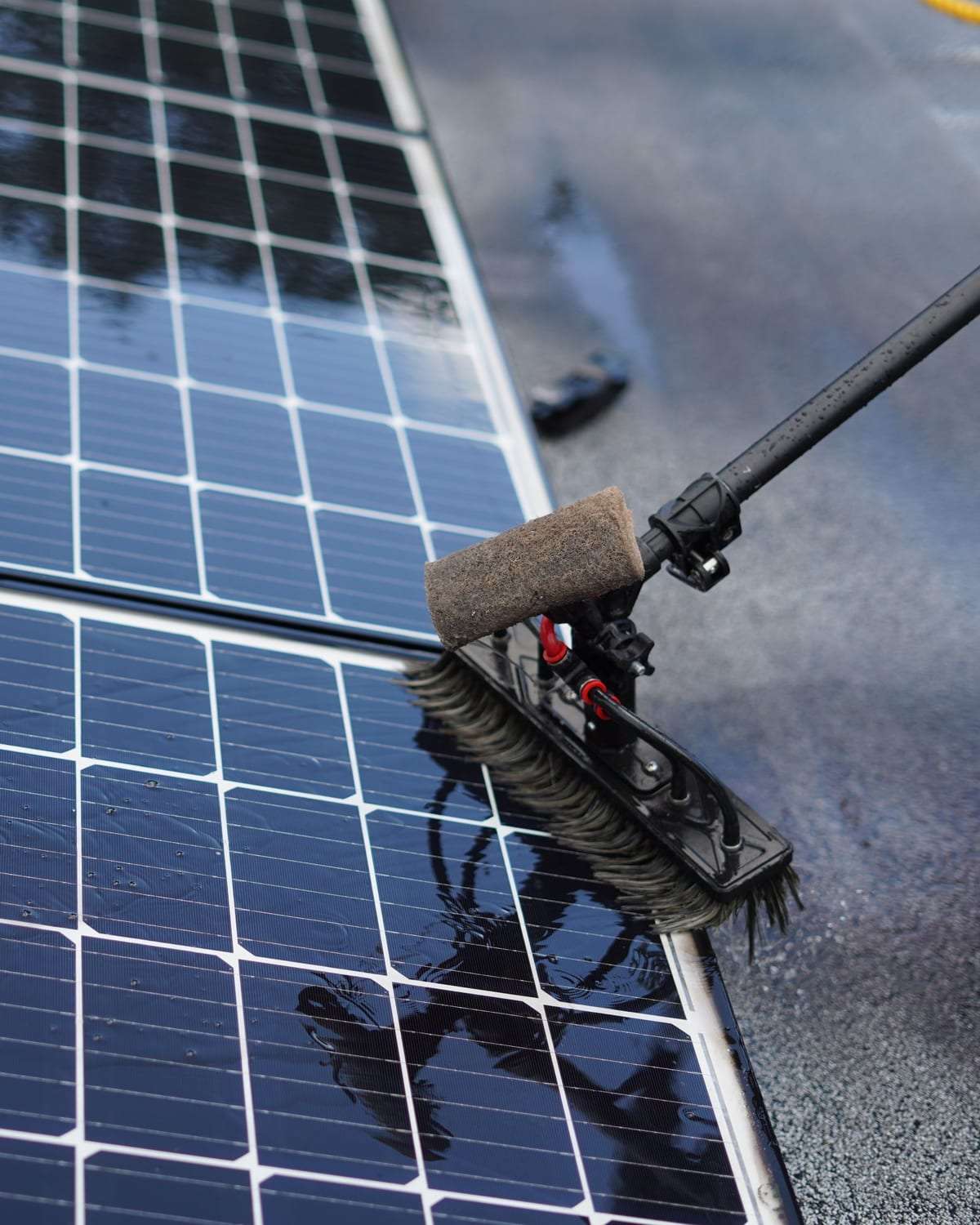
Use the solar calculator for a first estimate, and read our factories and warehouses guide and cost factors. After installation, plan for maintenance and cleaning — dust from truck yards settles on panels quickly.
Solar for warehouses: common questions
My roof is huge — why not cover all of it?
Because the system is sized to your consumption, exported surplus is credited under the regulatory framework, and system size is limited relative to your subscription. Bigger isn’t always better.
The warehouse is leased. Can I still install?
You will usually need the owner’s written consent and a long enough lease. Raise it with the owner before requesting quotes.
Will the panels run refrigeration during a power cut?
No, unless a hybrid system with batteries or generator integration is designed. Grid-connected systems disconnect during outages for safety.
Do panels make the warehouse hotter?
Usually the opposite — they shade part of the roof. But don’t treat them as a substitute for insulation.
Helpful guides
By business type
Available in these cities
Request solar quotes for your warehouse
Tell us your type of warehouse, city and approximate bill, and qualified solar installers will send quotes. Free, no obligation.