Start from the load profile, not the roof area
The most common mistake we see is starting with “How many panels fit on the roof?” The right question is when and how the site uses electricity. A factory running one or two day shifts is completely different from one running around the clock, and a cold-storage warehouse whose compressors work all day differs from a dry logistics warehouse that mostly uses power for lighting and forklift charging.
What matters is the daytime base load: the lowest steady consumption during sun hours, even on days off. A system designed around that load uses almost all of its output on site, which is the clearest source of return. Watch the large intermittent loads too — presses, ovens, air compressors — which affect inverter and protection design more than system size.
That is why we advise larger sites to start with an energy audit: actual load measurement over a sufficient period, a review of a full year of bills, and sometimes finding waste that can be cut before investing in panels.
The roof: structure, age and insulation
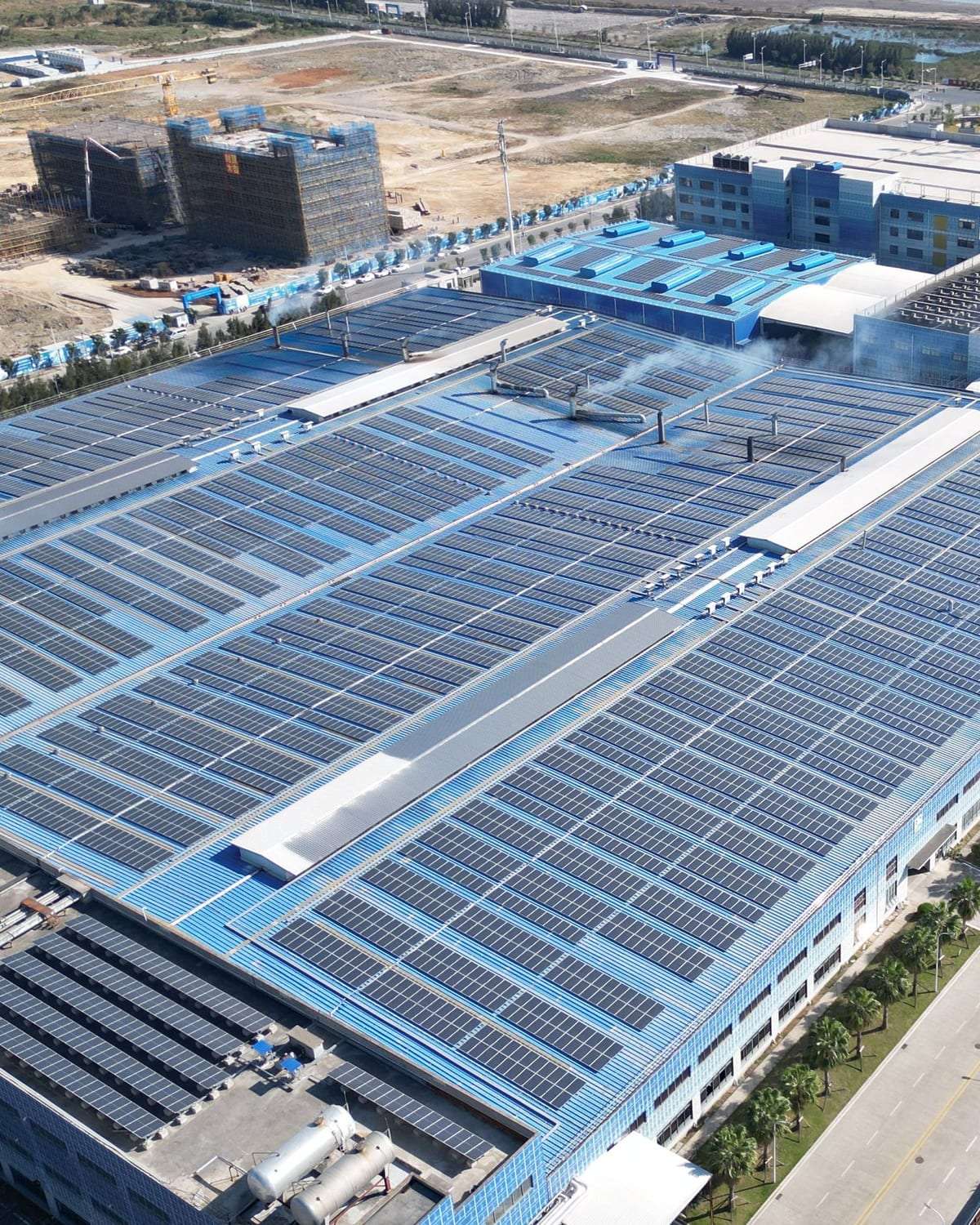
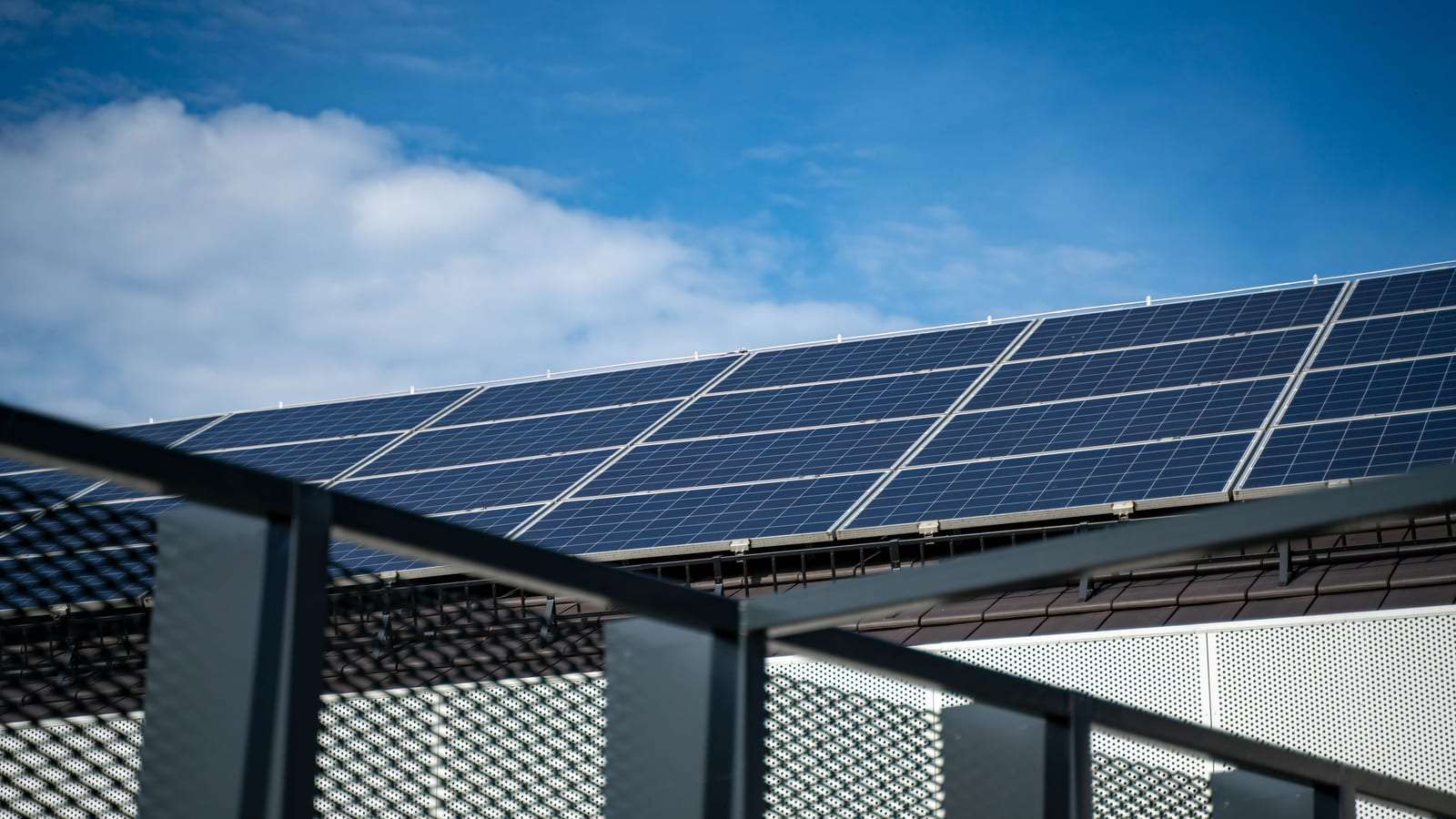
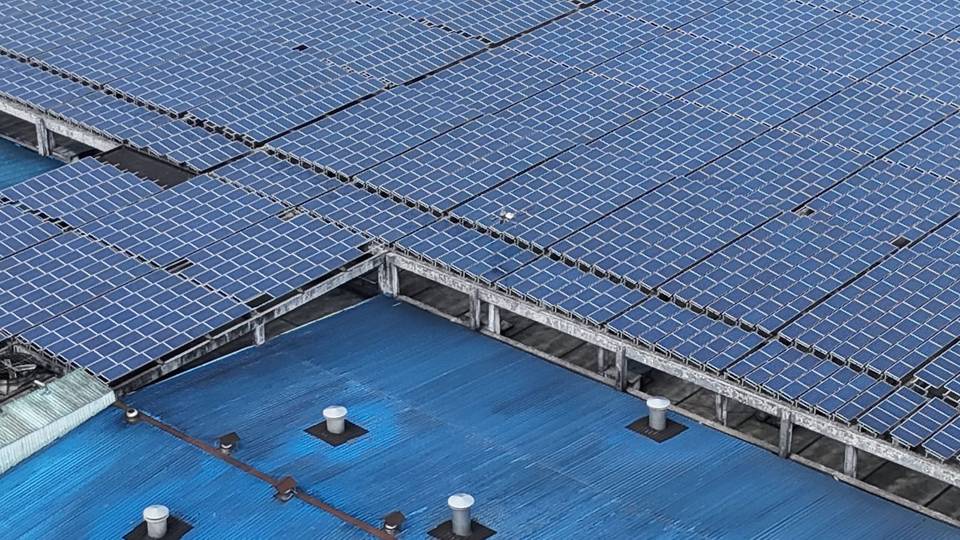
Most warehouses and factories in the industrial cities of Riyadh, Dammam and Jeddah have light metal roofs, with concrete roofs on some office buildings. Metal roofs usually suit panels, but they were designed for certain loads, and a system adds permanent weight and wind loads. A structural engineer should check the structure before design, not after.
The second question is roof age. If the roof is old, leaking or due for replacement within a few years, fix it first — removing and refitting a system later is expensive. Ask how mounting affects the roof warranty and insulation, and about fixing methods that only penetrate metal sheets where necessary. Don’t forget access and safety walkways, and the fire requirements the authorities may impose on large facilities.
Approvals and grid connection
Most factory and warehouse systems are connected to the grid through an application to the Saudi Electricity Company under the small-scale solar regulation, with a technical review, inspection and a bidirectional meter. The allowed size is linked to the subscription, so you may find the roof can hold more than the rules permit. Systems beyond that range follow a different regulatory and licensing route, with installers who specialise in industrial solar.
If the factory or warehouse is leased — common in industrial cities — you will usually need the owner’s written consent, and possibly the industrial city operator’s. Settle this before any detailed design. The installer must be qualified to install and connect systems, and electrical work must be done by a licensed electrical contractor. Details in our grid connection guide.
Operation and maintenance: who is responsible after handover?
An industrial system runs for many years, and its output depends on maintenance more than many expect. Dust in industrial areas is sometimes mixed with smoke or residue from production, and it can stick to panels more than ordinary dust. Without a cleaning schedule and monitoring, production drops quietly and nobody notices until they compare bills.
Before signing, decide who handles operation and maintenance: your facilities team, a maintenance contract with the installer, or a specialist. Ask for monitoring that sends alerts when output drops, and decide who receives them and acts. Make sure the inverters sit in a ventilated spot away from direct sun and the factory’s own heat. To see what a good maintenance contract covers, read about solar maintenance.
Financing in general
Companies fund these projects in different ways. Some pay from a capital budget and calculate the return over the system’s life; some use financing from a lender or equipment leasing; and some installers offer models where you pay for the electricity produced instead of buying the system, with ownership and maintenance staying with the provider for the contract term.
Each model affects the budget, tax and responsibility for faults differently, and none is best for everyone. We don’t recommend lenders or quote rates, but we do advise the finance team to read long-term contracts carefully, particularly the clauses on termination, transfer of ownership and what happens if the company moves out of the building.
The decision inside the company: finance, engineering and facilities
Projects that stall internally usually stall because each department heard only part of the story. Bring all three in from the start; each has its own question:
- Finance
How is the return calculated, and on what assumptions? How does financing affect cash flow? What are the risks if tariffs or the surplus-credit mechanism change?
- Engineering and electrical
Does the design suit the loads and the existing switchboards? How does it affect power quality and protection? Is the equipment approved?
- Facilities
Who cleans and monitors? How are the roof and insulation affected? Where do the inverters go? What is the procedure when something fails?
Make the three teams’ input part of the quote request itself, so the offers you receive answer each department’s questions instead of being reopened at every meeting.
How to get quotes you can compare
Send every installer the same data: a full year of bills, operating hours and shifts, a roof plan or photos, main switchboard and subscription details, and whether the building is owned or leased. Ask each quote to state the capacity in kWp, expected annual production with its assumptions, equipment class, warranties, who handles approvals, and the maintenance contract.
Check each installer’s qualification, registration and experience with similar industrial projects yourself, and ask to visit a completed project if possible. If you have open parking for staff or trucks, ask about solar carports as extra space. When the offers arrive, read how to compare solar quotes.
FAQ
Will the system cover all of the factory’s consumption?
Rarely. Most factories cover part of their daytime use and take the rest from the grid, especially with night shifts or large loads. The realistic goal is a system whose output is used on site.
Our warehouse has a metal roof. Can it take panels?
Usually, but don’t assume it. A structural engineer should check the structure and the roof’s condition before design.
We lease a warehouse in an industrial city. What now?
Start with the owner’s written consent, ask about any requirements from the industrial city operator, and weigh the remaining lease term before investing.
Do we need batteries?
Most grid-connected industrial systems run without batteries. Batteries are considered when critical loads need backup, and they require safe design and installation by specialists.
Does SaudiSolar build or finance the project?
No. We compare offers: with your consent we pass your request to qualified installers, and the contract, financing and installation are between you and the installer you choose.
This guide is general information, not technical, financial or legal advice. Rules, tariffs and requirements can change — always confirm with the competent official bodies and a qualified solar installer before deciding. Electrical work and grid connection must be done by licensed professionals only.