For shopping centres and malls
Solar power for shopping centres
A shopping centre spends most of its electricity on cooling, and cooling runs flat out in the midday heat — even before the mall fills up. That gives solar a clear role, but malls bring their own challenges: roofs crowded with equipment, opening hours that run to midnight, and tenants on separate meters.
Send one request with your type of centre, city and bills, and with your consent we pass it to qualified solar installers so you can compare their quotes on the same basis.
Energy profile: daytime cooling, busy evenings
In Saudi malls the real crowds arrive after Asr and stay past Isha, but cooling starts in the morning to bring the building down before opening and peaks with the midday heat. So solar covers a meaningful part of daytime consumption, while evening loads and night lighting stay on the grid.
The main loads are the chiller plant and air-handling units, escalators and lifts, lighting and food-court kitchens. The key question before any design is who pays the bill? If the landlord pays for common areas and the chiller plant, the system serves the landlord directly. If most consumption sits on tenant meters, the case is weaker and needs a clear arrangement. An energy audit sorts this out early.
Mall roofs: large but busy
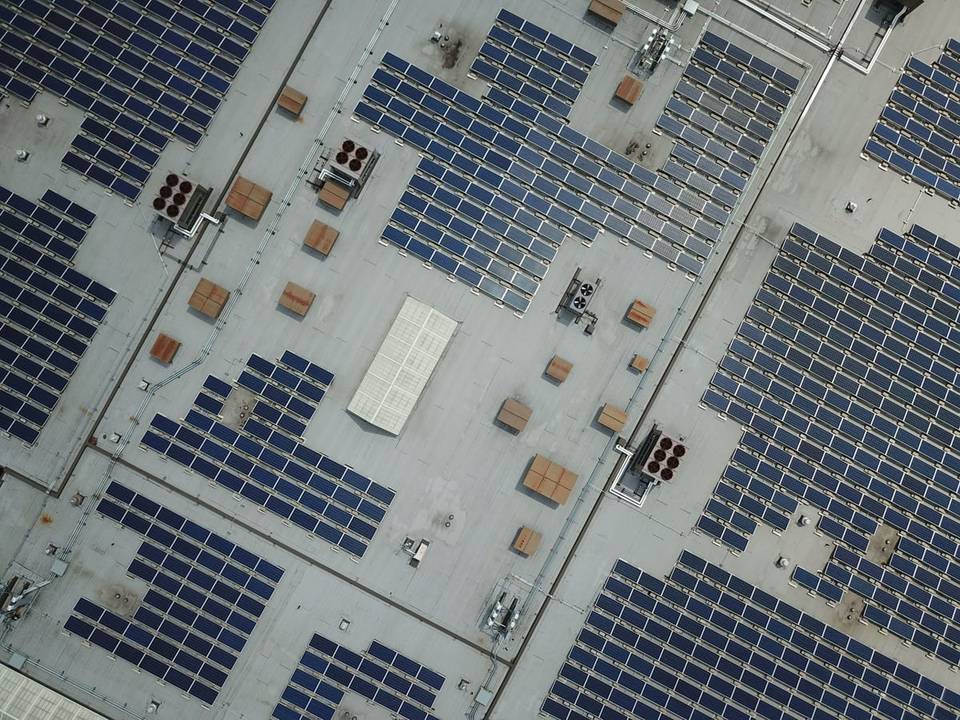
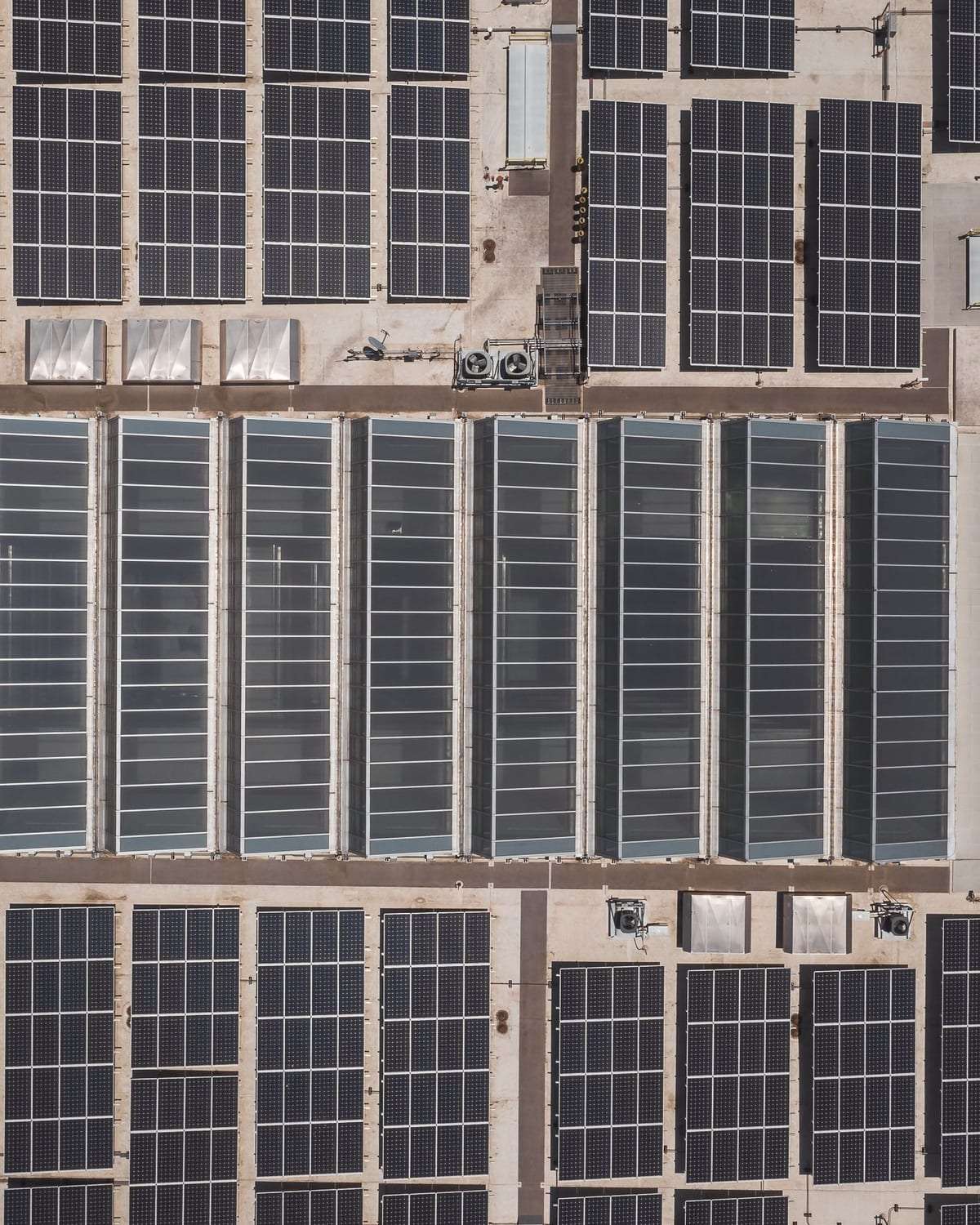
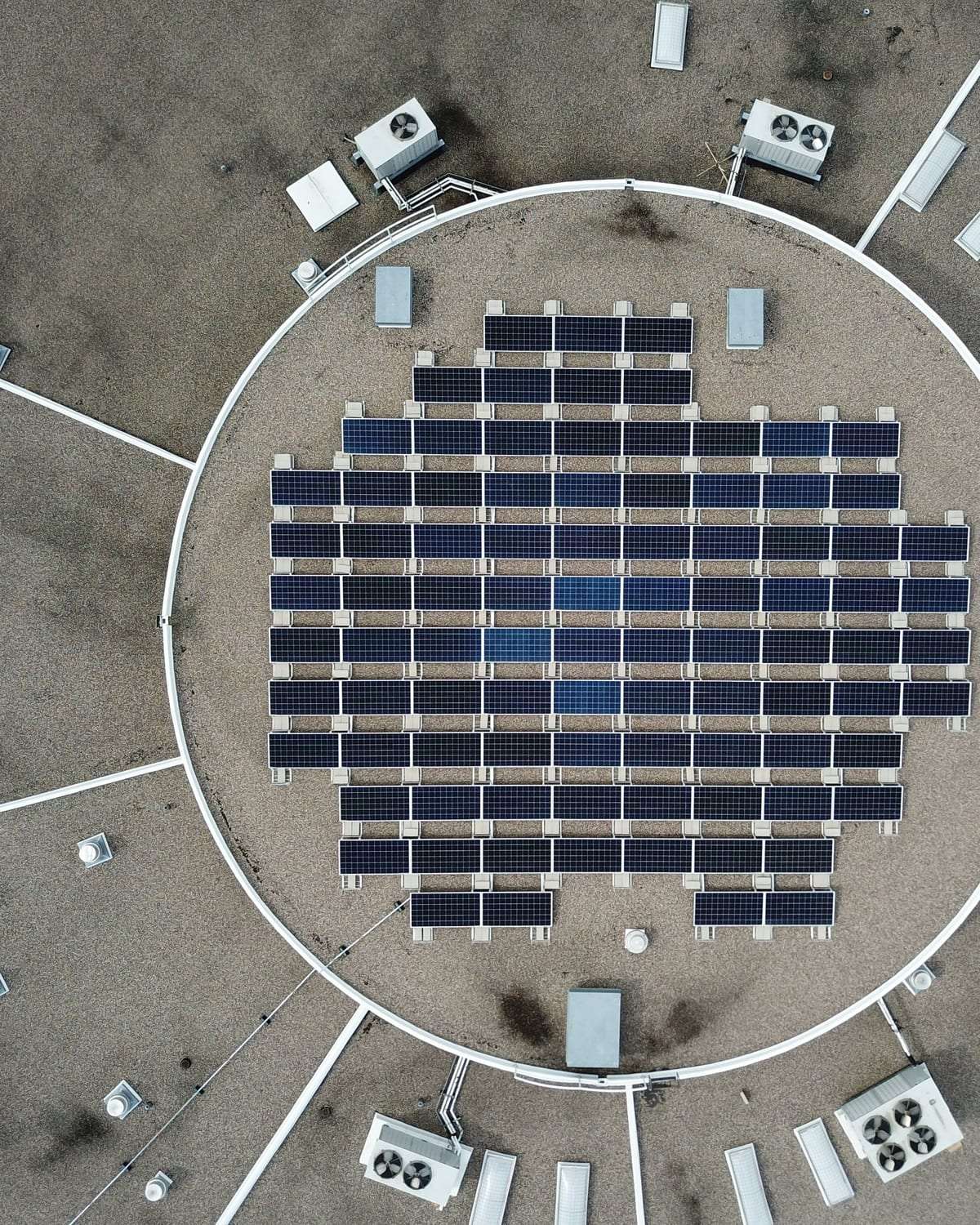
Shopping-centre roofs are mostly concrete, which suits ballasted frames. But they are crowded: cooling towers, AC units, kitchen extract fans, domes and rooflights, and signage. All of these cast shade and need maintenance paths, so the usable area can be far smaller than an aerial photo suggests.
Check the age of the waterproofing: if it needs renewing soon, do it before the panels go on. Large malls may also need municipal and Civil Defense approvals for rooftop installation.
Carports: the biggest opportunity at a mall
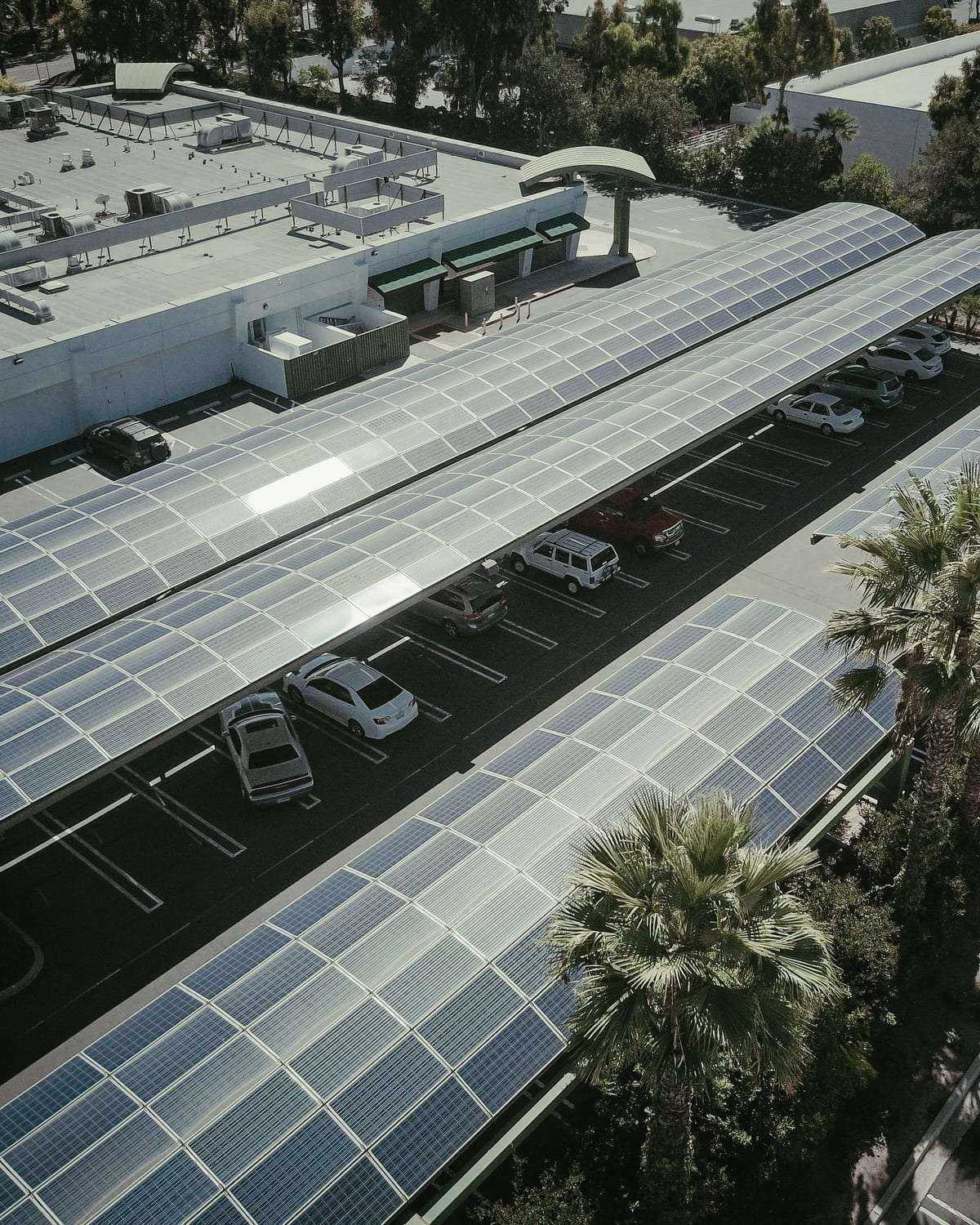
At many shopping centres the open car park is bigger than the roof. Solar carports do two jobs here: they produce electricity and shade visitors’ cars through a summer everyone knows — something customers notice straight away. The top deck of a multi-storey car park is also a good spot.
The canopy needs foundations and a structural design for wind loads, and must work around traffic flow, lighting, pedestrian routes and wayfinding signs. Some canopies can be prepared for future EV chargers. Read our guide to carports for businesses.
Backup power at a shopping centre
Malls usually have standby generators for life-safety systems, emergency lighting and lifts, and solar doesn’t replace them. A grid-connected system disconnects during an outage, so its job is to cut the bill, not to secure supply. Batteries rarely make sense for loads this size, except for a specific purpose such as shifting some solar energy into the evening, and they need careful study for safety and cost.
What to include in your quote request
- 12 months of bills for the landlord’s meters (common areas and chiller plant), with a note on tenant meters.
- Opening hours through the week, in Ramadan and during seasons.
- Roof drawings with equipment positions, and the age of the waterproofing.
- A car park layout, and the number of levels if there is a parking structure.
- A single-line diagram, subscription capacity and transformers.
Start with a rough estimate in the solar calculator, and read about cost factors and how to compare quotes. Check that the installer is qualified for grid connection and that the proposed size is within the permitted limits.
Solar for shopping centres: common questions
Our mall is open until midnight. Does solar still help?
Yes, for part of the consumption, because cooling peaks during the day. Evening loads stay on the grid, which is why a realistic system covers less than the full bill.
Roof or carports — which is better?
The roof is usually cheaper to build on, but mall roofs are crowded. Carports cost more but add shade for visitors. Many projects combine both.
Tenants have separate meters. How are savings counted?
The system reduces consumption on the meter it is connected to, so it usually goes on the landlord’s meters. Any arrangement with tenants needs a clear agreement and the relevant approvals.
Do carports need permits?
Usually yes, as they are new structures. The installer should set out the permits required in the quote.
Helpful guides
By business type
Available in these cities
Request solar quotes for your shopping centre
Send your type of centre, city and approximate bill, and qualified installers for roofs and carports will send quotes. Free, no obligation.