The three systems in brief
- Grid-tied
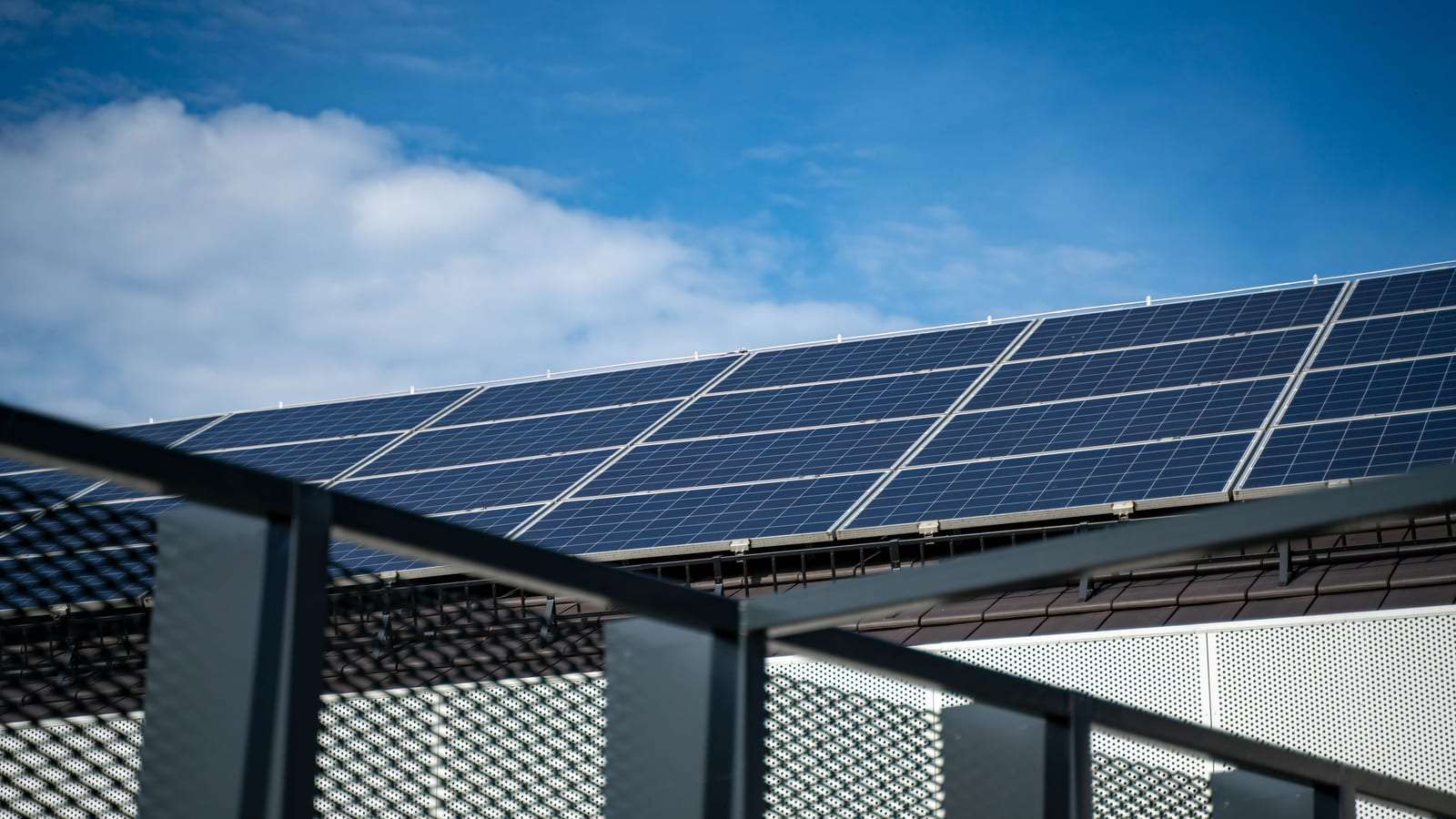
Panels and an inverter feed the building’s loads by day and the grid supplies the rest. Usually no batteries; surplus is exported through a bidirectional meter under the applicable rules. The simplest and lowest cost per kW.
- Hybrid
Grid-connected, with batteries and sometimes a generator. It uses solar first, charges the batteries, and keeps selected loads running when the grid goes down.
- Off-grid
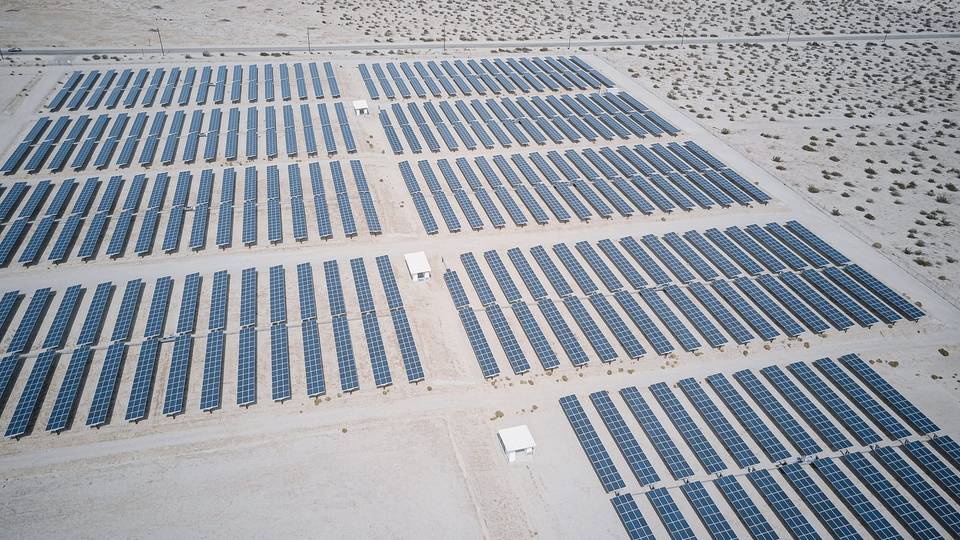
No grid at all. Panels and batteries, usually with a backup generator, are the site’s only source of power, day and night, in every season.
Grid-tied: the usual choice for businesses
For most commercial and industrial sites, grid-tied is the logical starting point. Take a warehouse in Dammam with a large metal roof and cooling, offices and lighting running all day. The system covers much of the daytime load directly, and the grid supplies the rest and the nights. No batteries to replace after some years, no generator to fuel, so the money goes into what produces.
One point must be clear: a grid-tied system without batteries shuts down during a power cut, even in full sun. This is a deliberate safety feature, so the system never energises a line that crews believe is dead. If outages cost you a lot, you are looking for a hybrid, not just grid-tied. More on grid-connected solar.
Hybrid: when outages matter
A hybrid suits anyone who wants the benefits of the grid plus backup. A villa in Riyadh with fridges, internet, a water pump and essential lighting; a clinic with a medicine fridge and equipment that can’t stop; a petrol station that needs pumps and tills running in an outage. Here the critical loads are identified and moved to a separate backup panel that the batteries feed when needed.
A common mistake is to ask for a hybrid that runs the whole house, air conditioning included, during an outage. It is technically possible, but it needs very large batteries at a cost rarely justified by the actual hours of outage. Sensible design starts with a short list of essential loads and the backup time you need, and grows later if necessary.
A grid-connected hybrid follows the same connection rules, and adding batteries brings safety requirements for location and ventilation. Read when batteries make sense before deciding on their size.
Off-grid: for farms and istirahas beyond the grid
If the site is far from the grid, or bringing power there is expensive or impossible, off-grid is the natural choice. An istiraha outside Riyadh running on a generator at weekends, or a farm in Qassim with workers’ housing, lighting and a pump, are the clearest cases. Here you compare with diesel, not with an electricity bill, which makes the case much clearer.
Off-grid needs more careful design than the others, because nothing covers a shortfall. The panels must produce enough on the shortest winter days, the batteries must last the night, and there must be a margin for dusty days. That is why a backup generator is part of most off-grid systems, starting automatically when the batteries run low instead of running all day.
Large loads such as air conditioners and pumps need special attention. The pump is usually split off onto a direct solar pumping system that runs by day with a tank, as in our guide to replacing diesel pumps, leaving the off-grid system for housing, lighting and fridges. More on off-grid solar.
Batteries and generators: who needs what
In a grid-tied system a battery is optional, and usually unnecessary for businesses that consume by day. In a hybrid the battery is the reason the system exists, and its size is set by the backup you need, not by the size of the array. In an off-grid system the battery is the heart of it, sized for night-time use and days of autonomy.
Generators play a part in both hybrid and off-grid systems. At a remote site the generator is the safety valve; at a grid-connected business the existing generator can stay as backup for long outages instead of buying huge batteries. Connecting generators and batteries to the switchboard is work for a licensed electrical contractor only, with proper changeover and protection.
Grid-connection requirements in general
Any system connected to the grid, grid-tied or hybrid, goes through a formal process with the Saudi Electricity Company under the small-scale solar regulation. This usually means an application, a technical review, an inspection and a bidirectional meter. System size is limited relative to the subscription, panels and inverters must be approved equipment, and a qualified installer must do the work.
If the building is leased, you will usually need the owner’s consent. We don’t quote fees or timelines because they change, so ask the installer to state in the quote who handles the process and what to expect. The full explanation is in our grid-connection guide. An off-grid system needs no grid approval, but that doesn’t excuse poor wiring or workmanship.
How to choose
Start with three questions. Is the grid available at the site? If not, the answer is off-grid. If it is, do outages cause real loss or serious disruption? If not, grid-tied is usually enough. If they do, which loads must keep running, and for how many hours? That sets the size of the hybrid.
Be honest about the economics too. For small homes with low bills, paying back the cost from savings alone can take a long time, and batteries stretch it further. The strongest cases are usually daytime-consuming businesses, sites on diesel, and those who genuinely need backup. Put your answers into your quote request, so the quotes reflect your needs rather than the biggest possible system.
FAQ
Does a grid-tied system work during a power cut?
Not without batteries. It shuts down automatically for safety. If you need power during outages, you need a hybrid with a backup panel for the critical loads.
Can I start grid-tied and add batteries later?
Usually, if you choose a battery-ready inverter from the start or leave room for a battery inverter. Tell the installer before design so you don’t have to replace equipment later.
My istiraha is near the grid but has no meter. What’s best?
Compare the cost of a grid connection with an off-grid system plus backup generator. If it is used only at weekends with light loads, off-grid may be simpler. A site visit clarifies it.
Will a hybrid system eliminate my electricity bill?
Rarely. It reduces what you draw from the grid by day and gives you backup, but air conditioning and night-time use usually stay on the grid. Try the solar calculator for a first estimate.
Does SaudiSolar install systems?
No. We only compare offers: with your consent we pass your request to qualified installers serving your area, and the contract and warranty are between you and the installer.
This guide is general information, not technical, financial or legal advice. Rules, tariffs and requirements can change — always confirm with the competent official bodies and a qualified solar installer before deciding. Electrical work and grid connection must be done by licensed professionals only.