The value of shade: a benefit your bill doesn’t show
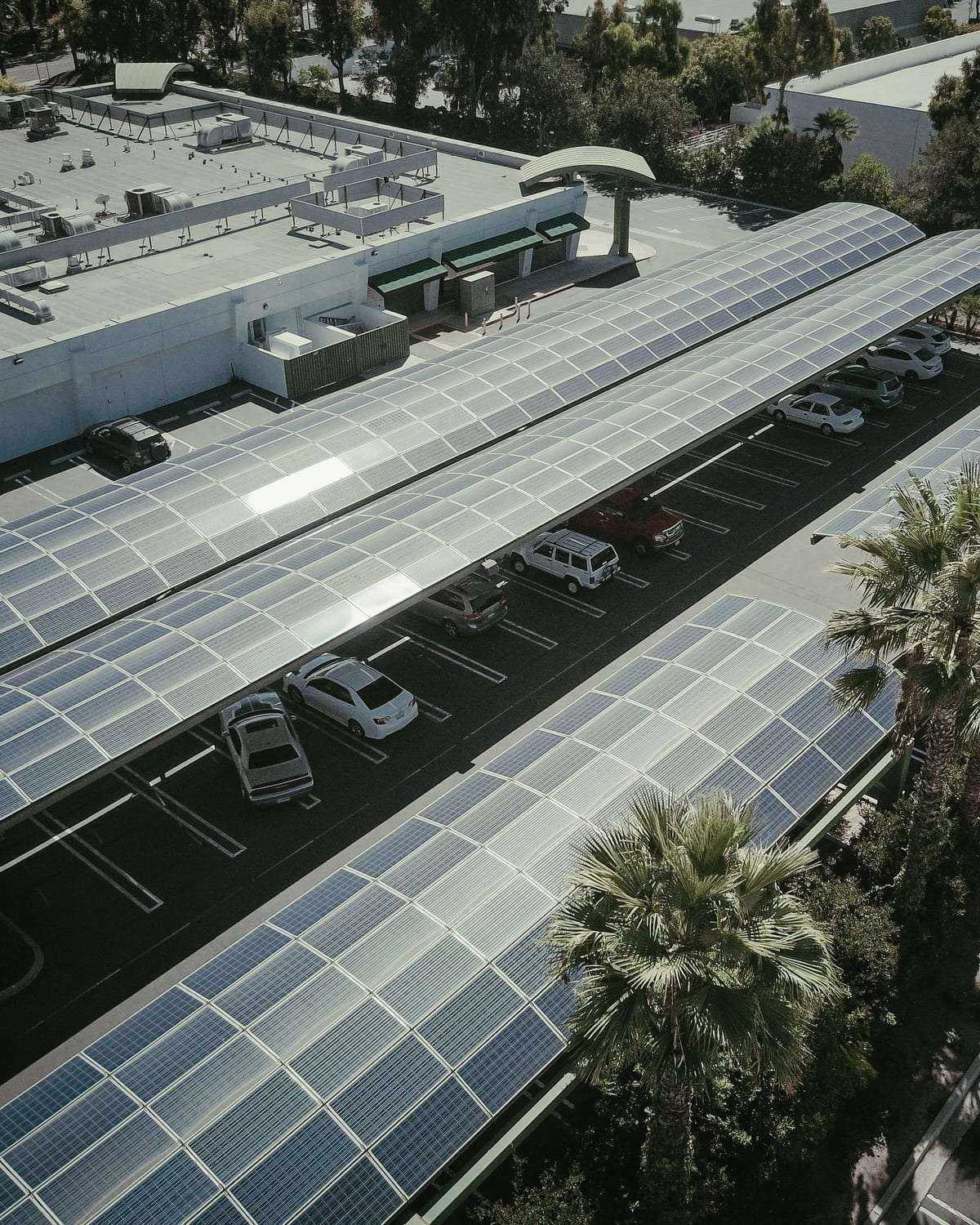
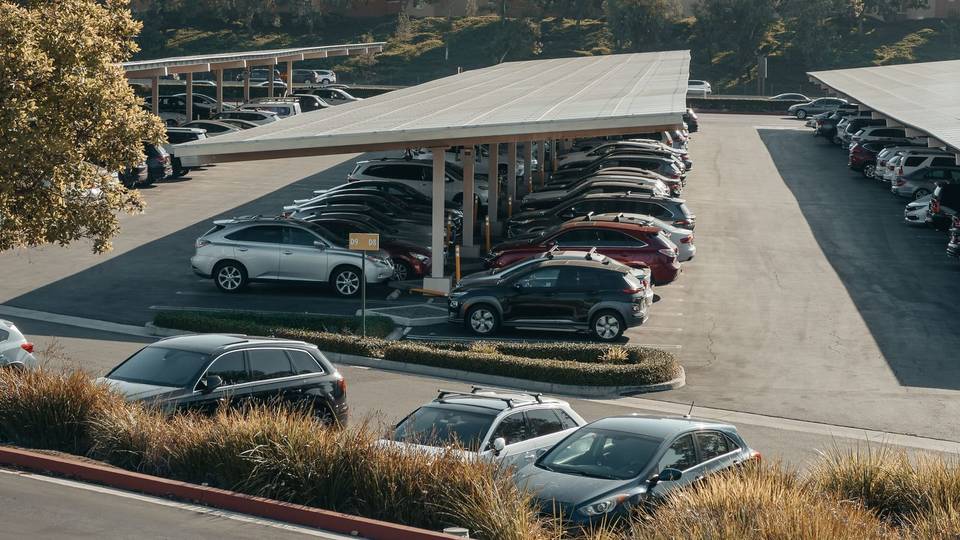
With a rooftop system, people usually look only at the electricity produced. With a carport that is half the picture. The canopy itself has value: cars stay cooler, seats and steering wheels don’t scorch, and the car’s AC cools faster. At a mall, hotel or hospital, shaded parking is part of the visitor’s experience before they walk in.
So the fair comparison is not a solar carport against nothing, but against the ordinary steel or fabric shade you would have built anyway. If shading is already decided, only the extra cost needs justifying against the electricity produced, which changes the numbers a lot in the carport’s favour.
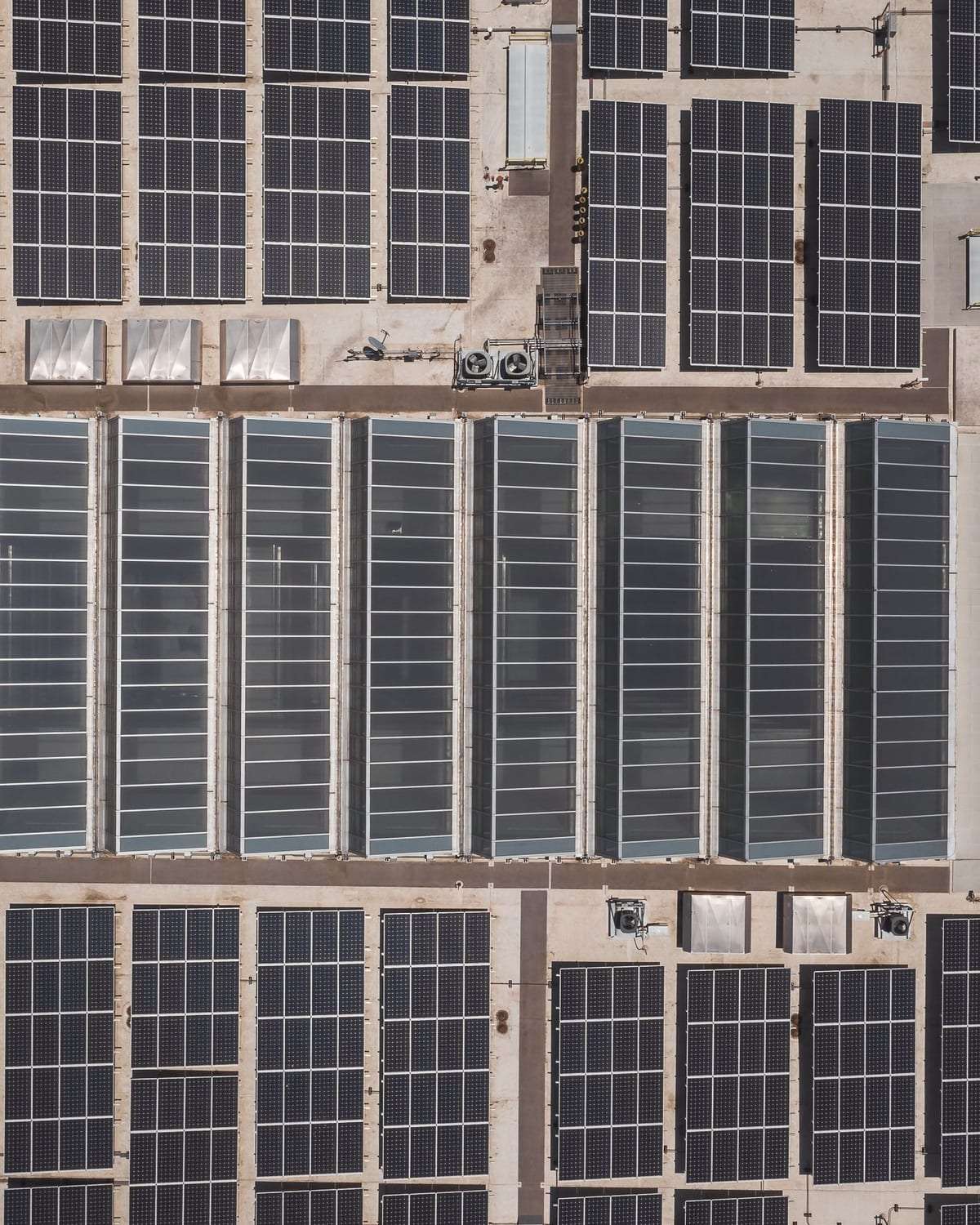
On the other hand, a carport usually costs more than a rooftop system of the same capacity, because it needs a raised steel frame, concrete foundations and groundworks. With a large unshaded roof and no need for shade, start with a rooftop system and leave the car park for later.
Which businesses benefit most from solar carports?
The best cases combine three things: a large open car park, daytime electricity use and a real need for shade. Common examples in the Kingdom:
- Malls and shopping centres
Large car parks, visitors all day and heavy daytime cooling. See our page on shopping centres.
- Factories and warehouses
Staff parking and waiting areas — even more useful when the roof is crowded with equipment, structurally weak or made of old metal sheeting.
- Hospitals, universities and schools
Car parks that fill up during working hours, which are exactly the hours the panels produce.
- Hotels and offices
Visible visitor parking, where a solar canopy says something clear about the organisation’s approach to sustainability.
Small car parks, sites shaded by tall buildings or trees most of the day, or land owned by someone else are usually not worth the complexity. Petrol stations are a special case: safety requirements around the pumps need a separate study.
Structure and foundations: the most important part
On a roof, the building exists and the question is whether it takes the weight. A carport is a new structure, so the structural work usually decides quality, cost and timeline. The steel frame lifts the panels high enough for cars, sometimes small trucks or ambulances, and must withstand wind and sandstorm loads pressing down and lifting from below.
Ask for the quote to include a soil investigation, or at least a review of existing soil data, because the foundation type depends on it: separate footings or piles. In Jeddah, Dammam or Jubail, humidity and salt call for stronger corrosion protection, such as hot-dip galvanising and a suitable coating. Inland, heat and dust on joints and cables matter more.
Small details matter over the years: rainwater drainage so it doesn’t pour onto cars or pool at the columns, guards against car impacts, lighting under the canopy because the car park gets darker at night, and a cable route to the switchboard that avoids digging up the asphalt twice. Ask about the shape too — single slope, T-shape or long double-row canopies — since each affects the number of spaces and how cars move.
Permits and approvals before you start
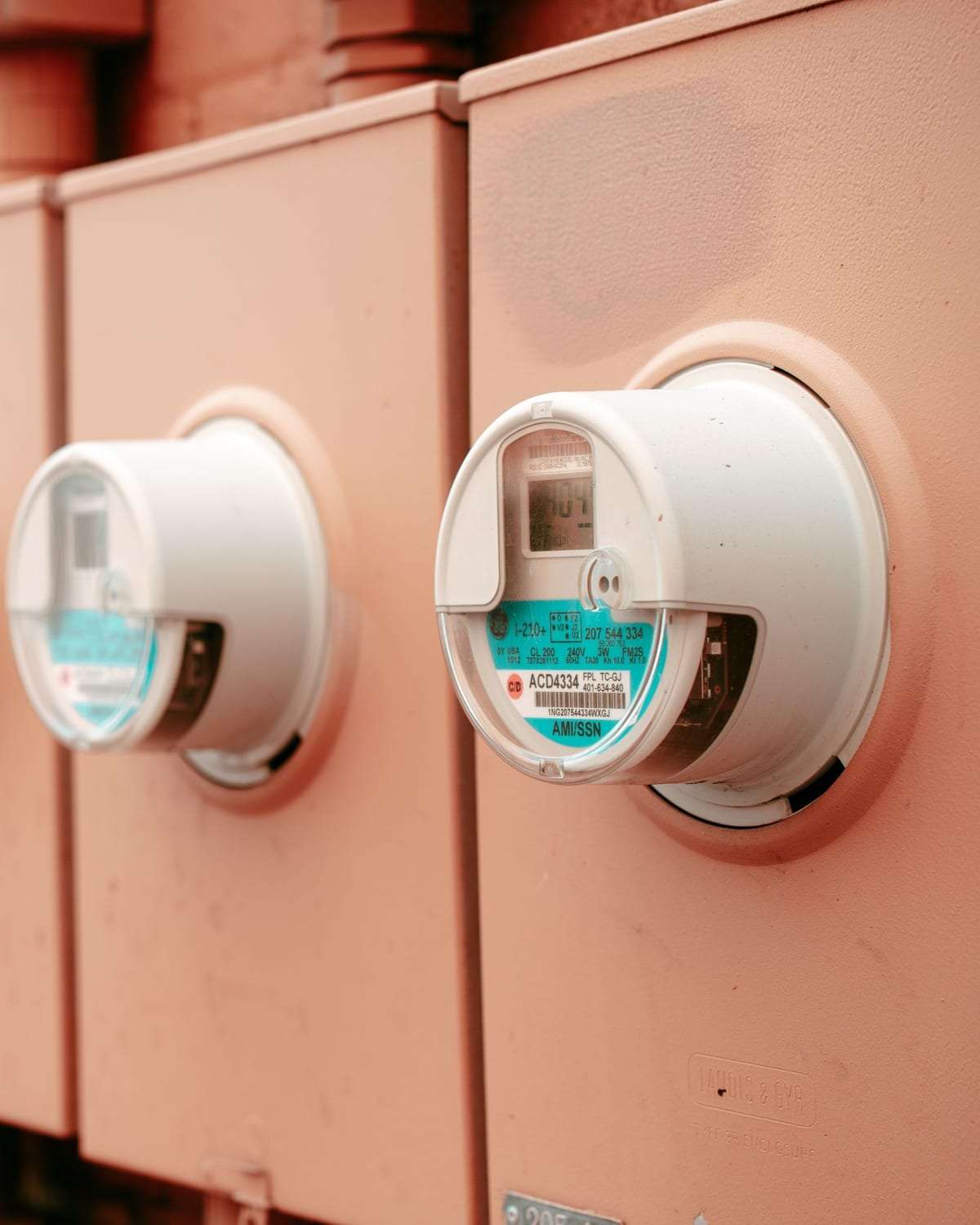
A solar carport is both a structure and an electrical system, so it usually needs two kinds of approval. The structural side may need a municipal permit and drawings approved by an engineering office, and large sites may face civil defence requirements. A grid-connected system also goes through an application to the Saudi Electricity Company under the small-scale solar regulation, with a technical review, an inspection and a bidirectional meter.
We don’t quote fees, timelines or size limits, because they change and need checking when you apply. Ask each installer plainly: who obtains the structural permits, who handles the connection application, and does the timeline include approvals or only installation? If the land is leased, get the owner’s written consent first. More in our grid connection guide.
Electrical work and connection are for a licensed electrical contractor and an installer qualified for grid-connected systems; no part of the wiring should be left to unqualified labour.
Getting ready for EV charging
Electric cars are still few in most car parks, but a carport lasts many years. It makes sense to prepare now even without chargers: empty cable ducts to some bays, spare switchboard capacity and mounting points on or beside the columns. This is far easier during construction than after the car park is finished.
Don’t expect the panels to charge cars directly. Charging usually runs from the building’s switchboard, and the panels cut daytime grid use. Charger capacity, numbers and load management need an electrical engineer’s study, especially if the connection is near its limit. Ask the installer to spell out what “EV-ready” includes, because the term means different things to different people.
Maintenance and cleaning on a carport
Carport panels are harder to clean than a roof: they are high up and above cars. Plan access from the start — ladder or small lift, anchor points for a safety harness, and where the cleaning water goes. Many sites clean on the weekend or early morning before the car park fills. Dust cuts output until it is cleaned off, and after a sandstorm the difference shows clearly in the monitoring data.
Maintenance goes beyond panels. The structure needs checks for loose bolts, rust and damaged columns, cables need protection from sun and rodents, and inverters need ventilation and shade. Ask for a written O&M contract stating what it covers and who follows up monitoring alerts. See our guide to dust, heat and cleaning.
What to prepare before asking for quotes
The clearer your request, the easier the quotes are to compare. Prepare a plan or aerial photo with the approximate number of spaces, a year of bills and land ownership details, and mention truck routes, clearance height, EV readiness or lighting under the canopy.
Make sure every installer offers the same capacity in kWp, the same structure and foundations, and the same warranties on structure, panels, inverters and workmanship. The cheapest quote sometimes saves on steel or foundations — the last place you want savings. Read how to compare solar quotes, then send your request to qualified installers.
FAQ
Can a solar carport cover the whole site’s consumption?
It depends on car park size and consumption. Usually a carport covers part of the daytime load, sometimes combined with a rooftop system. The survey and your bills set the realistic figure.
Will a carport reduce the number of parking spaces?
A well-designed carport doesn’t remove spaces, but columns can make some bays tighter or get in the way of larger vehicles. Ask for a layout showing every column before you approve.
How is a solar carport different from a normal fabric shade?
Fabric shades are lighter and cheaper but produce nothing and need replacing. A solar carport is a heavier, longer-lasting steel structure that produces power, with more foundations and permits. See our solar carports page.
Do I need batteries with a carport?
Usually not, if the system is grid-connected and the site uses most of its power by day. Add batteries only for a clear reason, such as backup or night-time charging.
Do you build carports yourselves?
No. SaudiSolar only compares offers: with your consent we pass your request to qualified installers, and the contract and warranty are between you and the installer you choose.
This guide is general information, not technical, financial or legal advice. Rules, tariffs and requirements can change — always confirm with the competent official bodies and a qualified solar installer before deciding. Electrical work and grid connection must be done by licensed professionals only.