Riyadh
Commercial and industrial solar in Riyadh
In Riyadh, most of a business’s electricity load falls during daylight hours, and summer air conditioning pushes it up sharply. Factories, warehouses and shopping centres with a large, unshaded roof are usually the strongest solar candidates in the city.
This page focuses on what is specific to Riyadh: the metal roofs of the industrial cities, warehouses along the logistics routes, and dust that calls for a clear cleaning plan. For the service in general, read commercial rooftop solar.
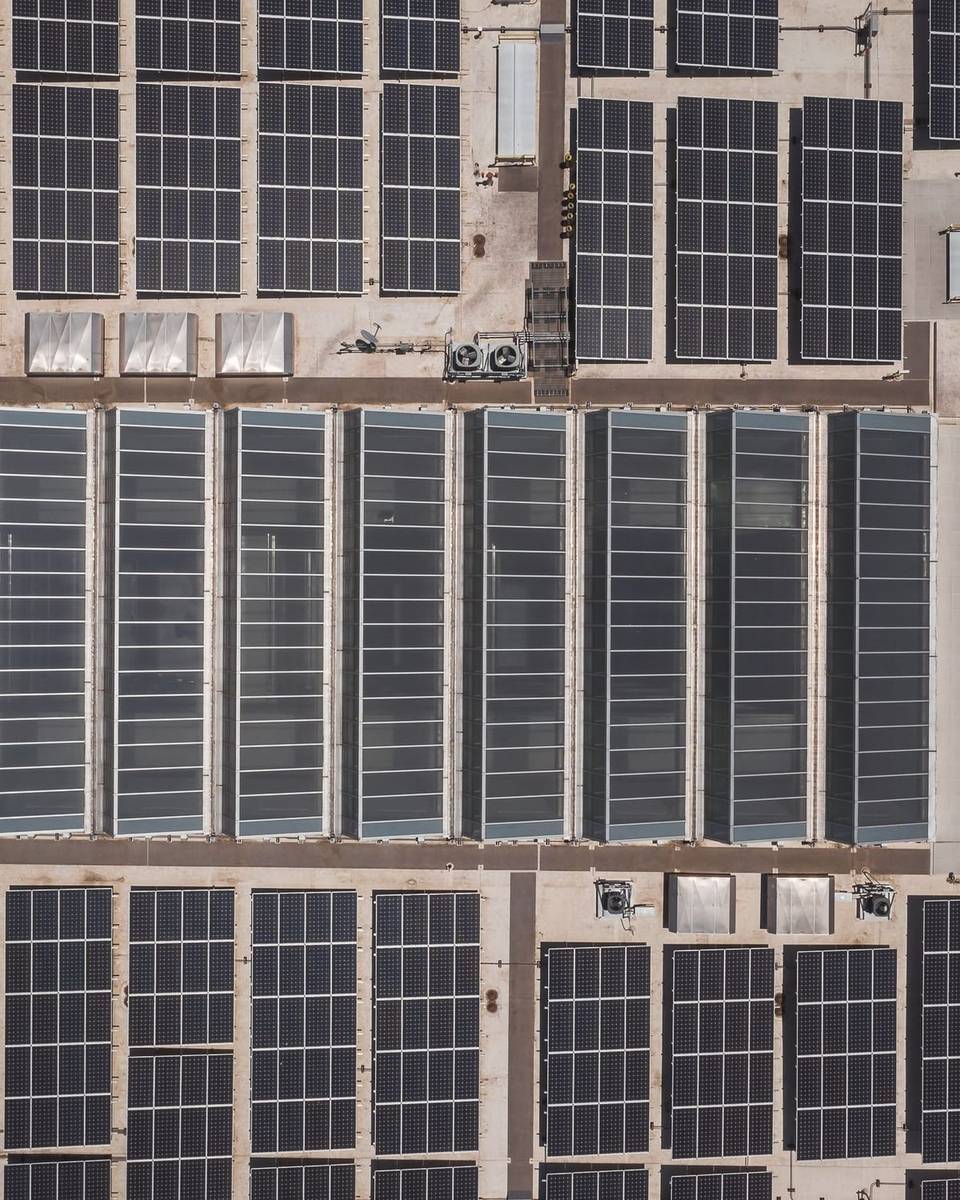
Factories in the industrial cities
Most factories in the Second and Third Industrial Cities and elsewhere run at least one day shift, powering motors, compressors, cooling and lighting. That daytime load lines up with solar production, so most of what the system generates is used inside the factory straight away.
Metal roofs need a careful check, though: roof age, the state of fixings and insulation, and whether the structure can carry extra weight. If the plant runs around the clock or its load is very large, it may fall under industrial solar, with different regulatory arrangements.
Warehouses and distribution centres
A standard warehouse has a big roof and relatively low consumption, so the system may produce more than the building needs at times. Understanding how surplus is credited, the bidirectional meter and the size limits becomes essential before deciding on capacity.
Cold stores and distribution centres with large refrigeration loads have a stronger case, because cooling uses a lot of power in Riyadh’s hot daytime. Read the guide to solar for factories and warehouses and our page on warehouses.
Shopping centres, schools and car parks
Shopping centres, schools and hospitals in Riyadh often have roofs crowded with AC units, while their car parks are wide and fully exposed to the sun. Solar carports solve both problems: they produce power and shade cars in summer, though they need their own structural design and approvals.
Dust, and choosing the installer
In Riyadh, cleaning should be part of the quote, not an afterthought. Ask how often cleaning is proposed and who does it, whether there is water on the roof, and whether a large roof justifies an automated cleaning system. After sandstorms, watch the monitoring to see when output drops.
Before signing, check that the installer is qualified and registered to install and connect systems, that they handle the connection process with the Saudi Electricity Company, and that the equipment is on the approved lists. If the building is leased, you will usually need the owner’s consent.
FAQ
Is a system on a Riyadh warehouse roof always worth it?
Not always. A large warehouse with low consumption may not benefit from using the whole roof. What matters is matching the size to daytime use and to how surplus is credited. Start with an energy audit.
The building is leased — can I still install?
You will usually need the owner’s written consent before installation and connection. Raise it early, and compare the lease term with the life of the system.
Who handles the connection with the Saudi Electricity Company?
Usually the installer, provided they are qualified. Ask for the steps in writing in the quote, without unrealistic timelines.
Does a factory need batteries?
Most grid-connected business systems run without them. Batteries are worth studying when critical loads need backup power.
Request solar quotes for your Riyadh business
Send your type of business, its location in Riyadh and your approximate electricity bill, and qualified installers send quotes you can compare. Free, no obligation.