Buraidah
Solar water pumps in Buraidah and Qassim
On Qassim farms the submersible pump is the biggest energy user, and many still run on a diesel generator — fuel, servicing and breakdowns in the heat of summer. A solar pumping system drives the pump straight from the panels by day, when most farms irrigate anyway.
But a palm farm on drip is a completely different job from a farm on a centre pivot. Here we explain the difference, when solar alone is enough, and when you need a hybrid system with a generator or the grid.
From diesel to solar: how the switch works
In most cases the existing pump stays if it is in good condition and suits the well. A pump inverter (variable-frequency drive) takes power from the panels and runs the pump at a speed that follows the sun: less in the early morning, more around midday, usually with no batteries.
The generator isn’t scrapped. Many farms keep it as backup for dusty days or night irrigation, and a licensed electrical contractor ties it into a panel that switches safely between the two sources. More in our guide to moving diesel pumps to solar.
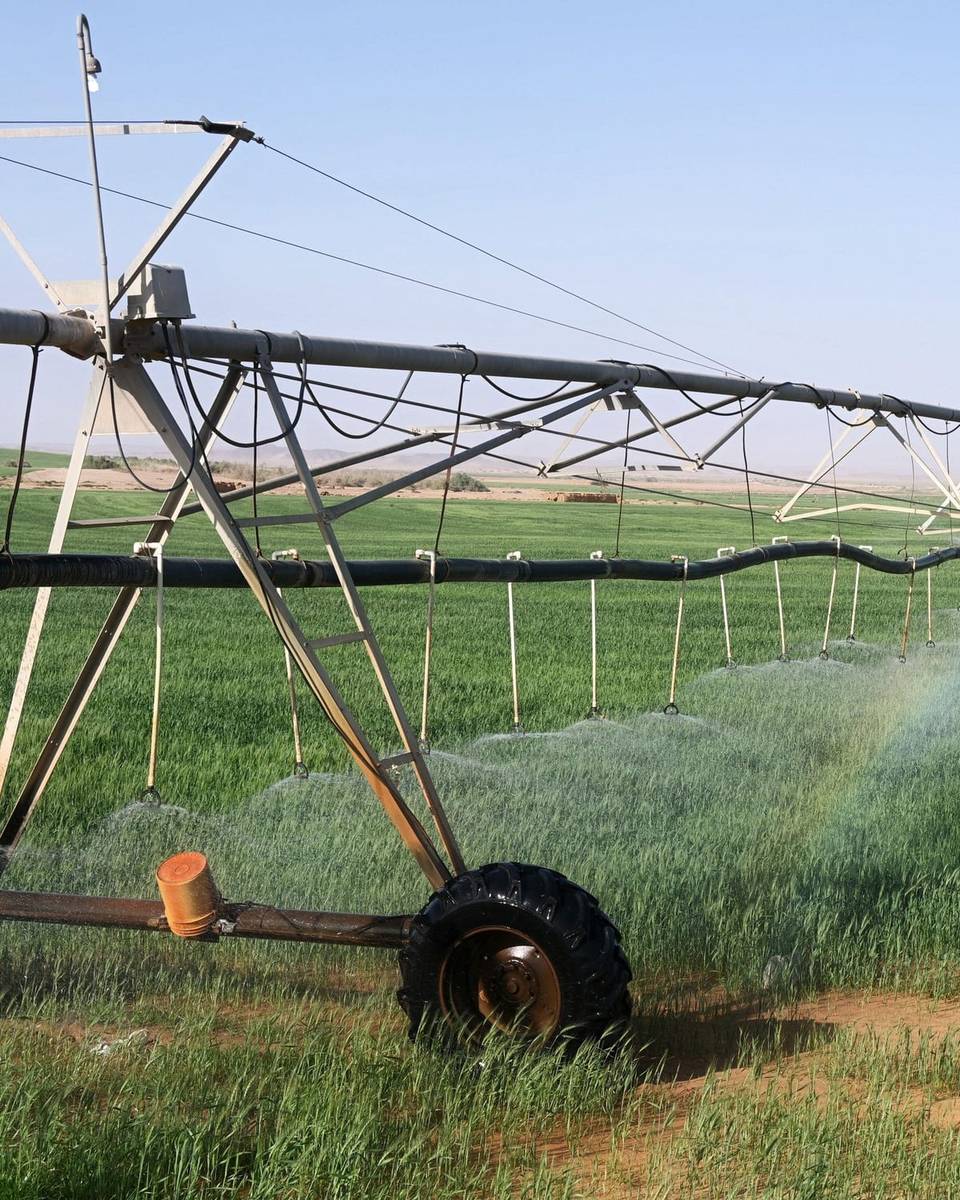
Centre pivots and drip: two different needs
Centre pivot
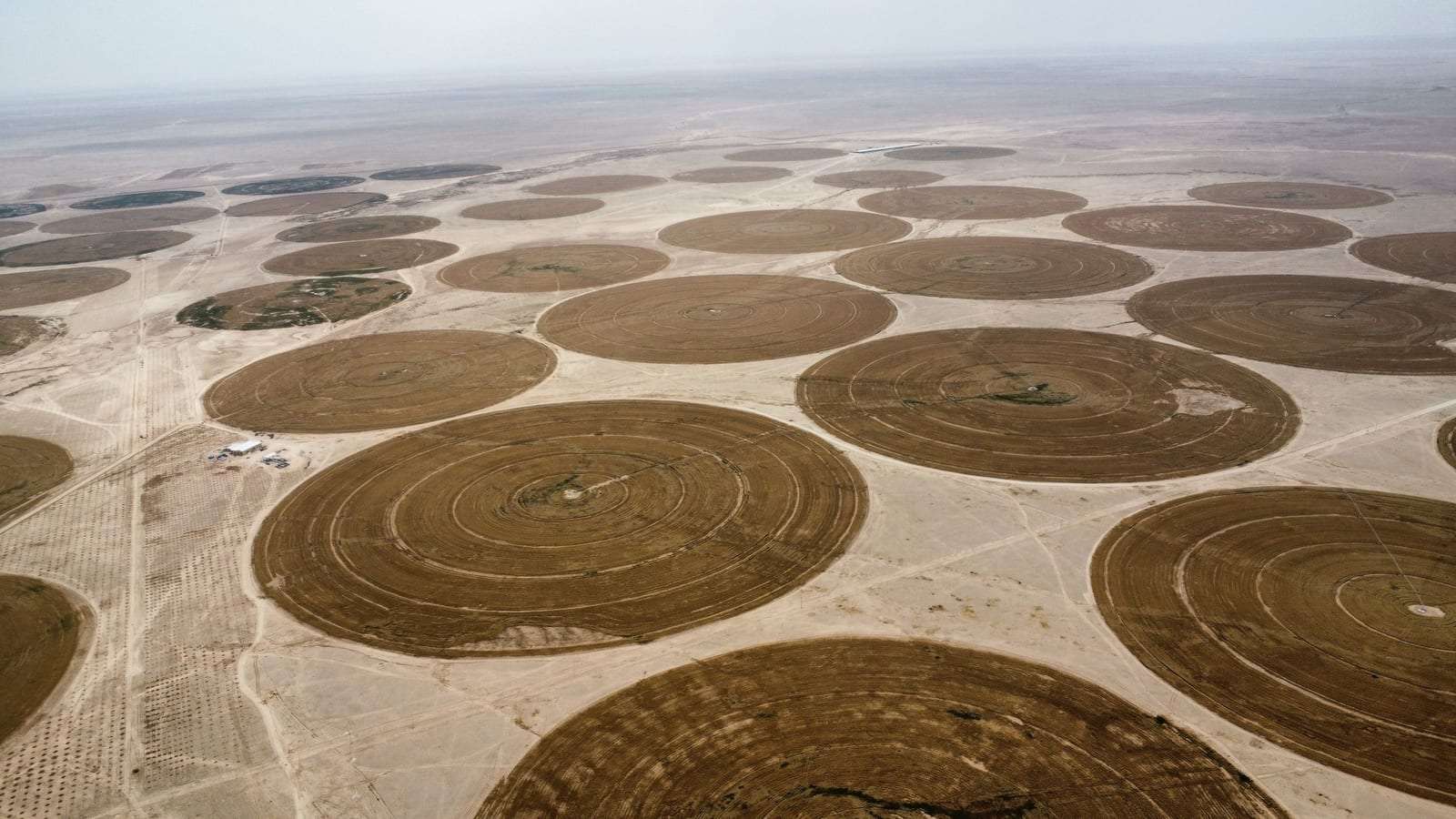
Needs a large flow and steady pressure for hours on end. Panels cover daylight hours; the rest comes from a generator or the grid. The design must keep pressure above what the pivot needs as the sun weakens.
Drip and palms
The easiest case for solar: pump by day into a tank or reservoir, then distribute by drip on your irrigation schedule. The tank does the job of a battery, more simply and for longer.
Greenhouses
Need regular daily pumping and sometimes fans and cooling, so one system can be designed to feed the pump and the other loads together.
State your irrigation method clearly in the request — it changes the size and type of system entirely.
What the installer needs to know about your well
System size depends on pump depth, the well’s water level and your daily water need more than on the pump’s rating. Water levels differ between wells and change over time, so ask for sizing based on a measurement or the well’s records, not a guess.
Have what you know ready: well depth, pump rating in horsepower or kW, running hours and the space for panels near the well. If you’re thinking of drilling a new well or deepening one, that has its own rules with the competent authority — check them before doing anything.
Panels on farmland: dust, heat and machinery
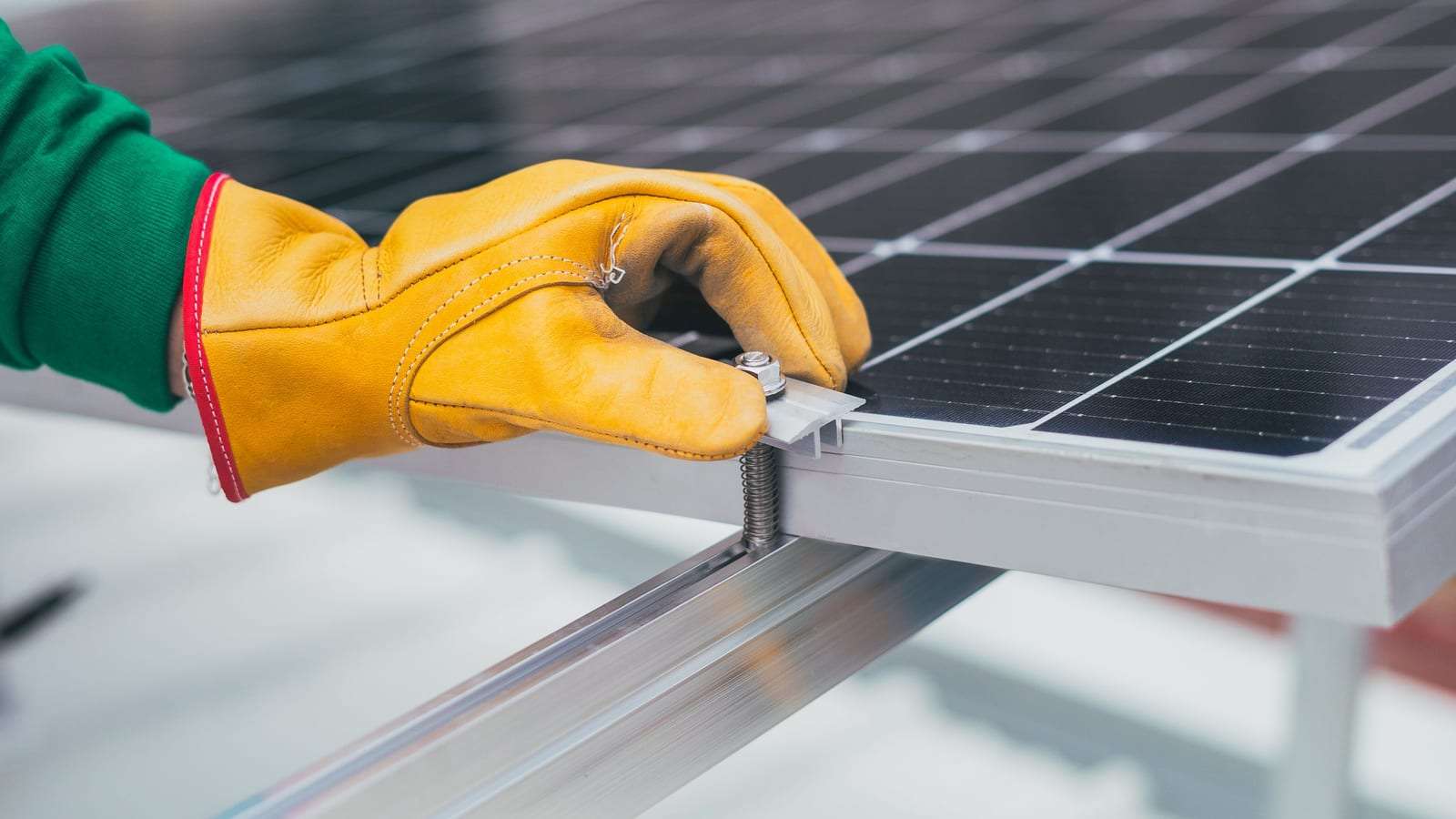
Pump panels usually sit on ground frames near ploughing and dirt tracks, so they get dirty faster than rooftop panels — but access is easy and water is on site. Agree a cleaning schedule, protect cables from livestock and machinery, shade and ventilate the inverter, and ask about a maintenance contract.
FAQ
Does a solar pump work without batteries?
Yes. Most pumping systems run the pump directly during the day and store water in a tank or reservoir. Batteries are only added when there’s a clear reason to pump at night, and they add cost.
Can I keep my current pump?
Often yes, if it is in good condition and suits the well depth — the survey decides. Some older pumps are the wrong size and are better replaced.
Can solar run a whole centre pivot?
Usually it covers daylight hours only; continuous running needs another source. Ask each installer to state in writing which share the sun covers and what stays on the generator or the grid.
What should I put in my request?
The farm’s location, irrigation method, well depth if you know it, pump rating and current power source. Then request offers, and see the solar water pumps page for more detail.
Move your Qassim farm pump to solar
Send your well details and irrigation method and receive quotes from qualified installers serving Buraidah and Qassim. Free, no obligation.